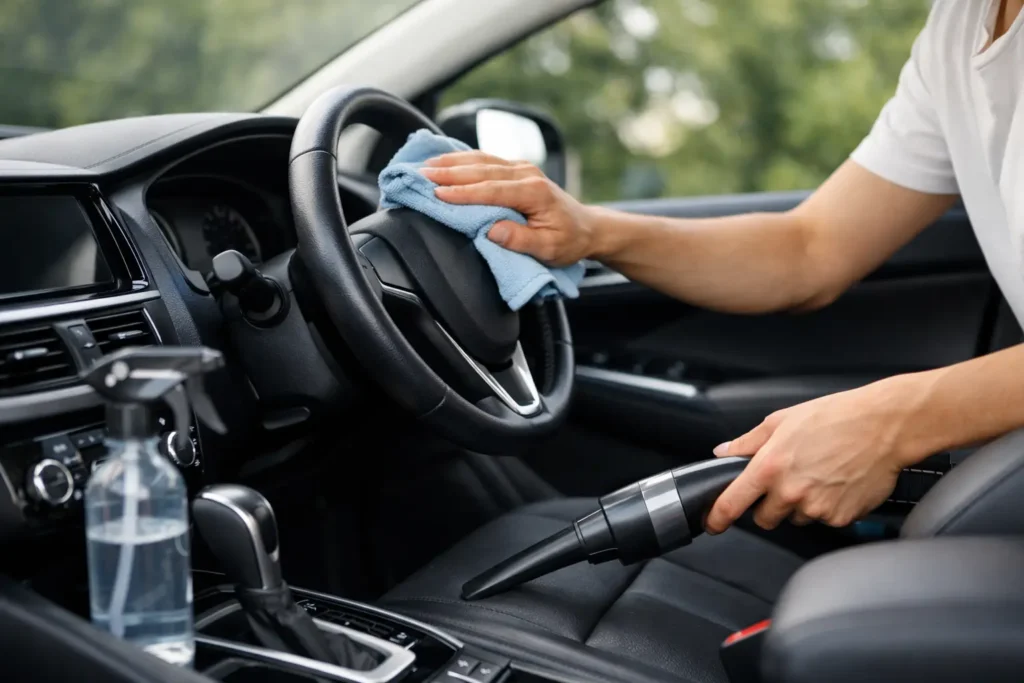

That layer of dust on the dash and the fast-food receipt under the seat usually do not show up all at once. A dirty cabin builds slowly, then suddenly your car feels harder to enjoy. If you are wondering how to keep car interior clean without turning it into a weekend project every time, the answer is a mix of quick habits, the right products, and a cleaning routine you can actually stick with.
For most drivers, the real challenge is not deep cleaning. It is stopping everyday mess before it turns into stains, odors, and worn-looking surfaces. A clean interior also does more than look better. It makes commuting more comfortable, protects resale value, and helps materials like cloth, leather, plastic, and carpet last longer.
How to keep car interior clean without overcomplicating it
The easiest way to keep a car interior clean is to lower the amount of dirt that gets in and shorten the time mess stays there. That sounds obvious, but it changes how you clean. Instead of waiting until the whole cabin feels dirty, you handle small issues as they happen.
Start with the biggest sources of interior grime: shoes, food, pets, loose paper, and dust from open windows or daily driving. Floor mats catch debris before it grinds into the carpet. A small trash container or even a dedicated bag keeps wrappers and receipts from spreading. Keeping a microfiber towel in the center console makes it easy to wipe cupholders, the shifter area, and the dash in less than a minute.
This is also where being realistic helps. If you have kids, rideshare passengers, or a dog in the back seat, your standard for “clean” may need to focus on control rather than perfection. A practical system beats an ambitious one you will not maintain.
Build a simple interior cleaning routine
Most car owners do better with a light weekly reset and a more thorough monthly cleaning. That schedule is enough for many daily drivers, though your timeline may need to be tighter if you eat in the car often or drive in muddy, dusty, or snowy conditions.
A weekly clean should be short. Remove trash, shake out or vacuum the mats, wipe high-touch surfaces, and check for spills before they set. This usually takes 10 to 15 minutes. The goal is not showroom detail work. It is preventing buildup.
A monthly clean should go deeper. Vacuum the seats, carpets, and creases around the console. Wipe interior trim more carefully. Clean the inside of the windows. Treat any stains and check problem spots like door pockets, seat rails, and under child seats.
Season matters too. In winter, road salt and slush can soak mats and stain carpet if you leave them sitting. In summer, sunscreen, sweat, and dust tend to build up faster on seats and touch points. Adjusting your routine by season is one of the easiest ways to stay ahead of the mess.
The best tools for a clean car interior
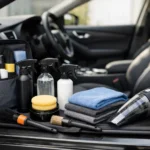
You do not need a detailing cart full of supplies. A small kit with a few reliable items is enough for most people.
A handheld vacuum or a shop vacuum with crevice tools does the heavy lifting. Microfiber towels are safer and more effective than old bath towels or paper towels on most interior surfaces. An interior cleaner that works on plastic, vinyl, and trim can simplify the job, but check the label first. Some products leave a glossy finish that looks slick but attracts more dust and can create glare on the dash.
For fabric seats and carpet, a dedicated upholstery cleaner helps with spots and odor-prone areas. For leather or synthetic leather seating, use a cleaner made for that material and follow with a conditioner only if the manufacturer recommends it. Too much product can be just as unhelpful as too little.
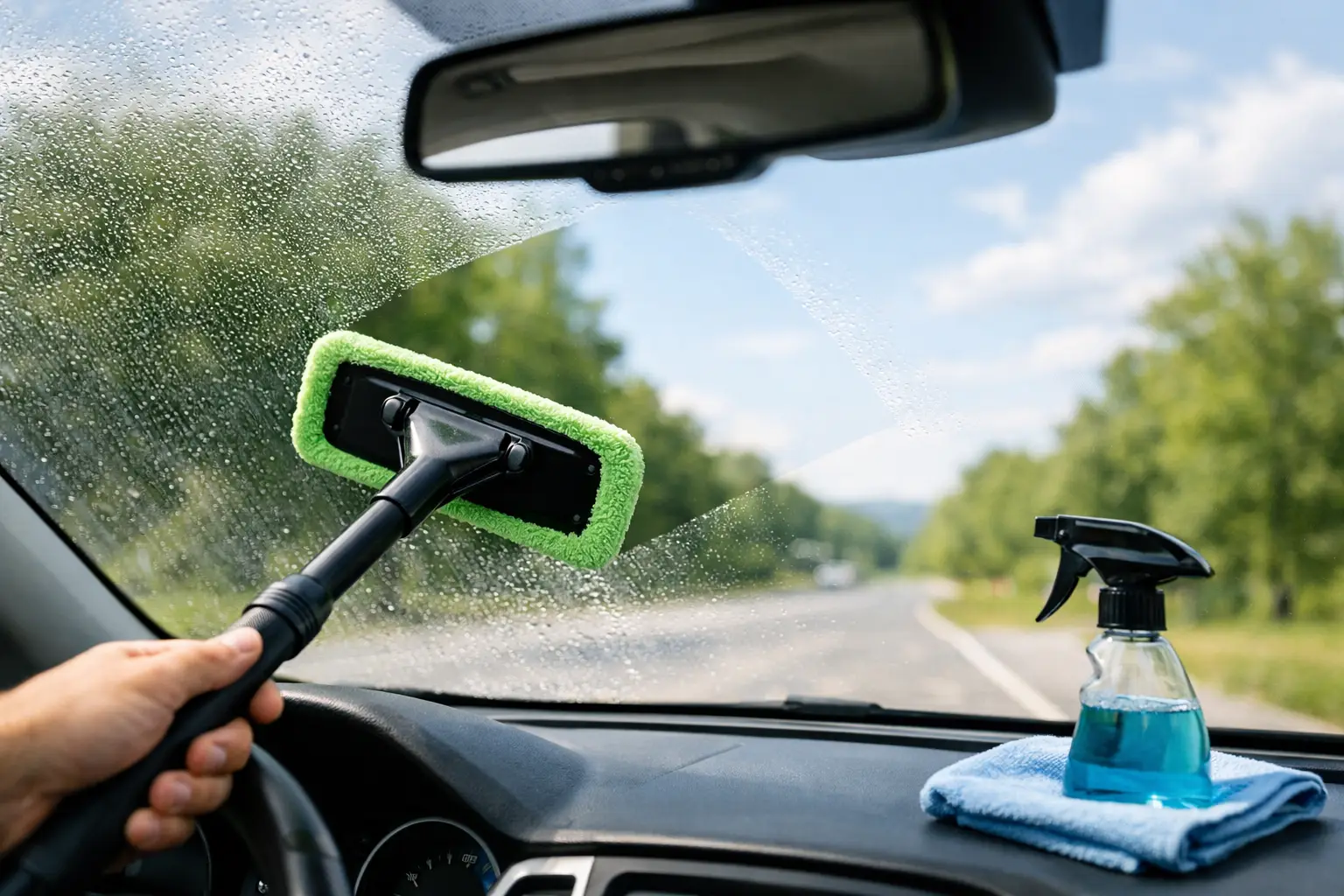
A soft detailing brush is useful around vents, buttons, seams, and textured trim. These areas trap dust that towels miss. Glass cleaner for interior windows should be ammonia-free, especially if your vehicle has tinted windows.
Clean by material, not just by area
One reason people damage interiors is treating every surface the same. Your dash, cloth seats, leather seating, infotainment screen, and carpet all respond differently to moisture and chemicals.
Dashboard, console, and door panels
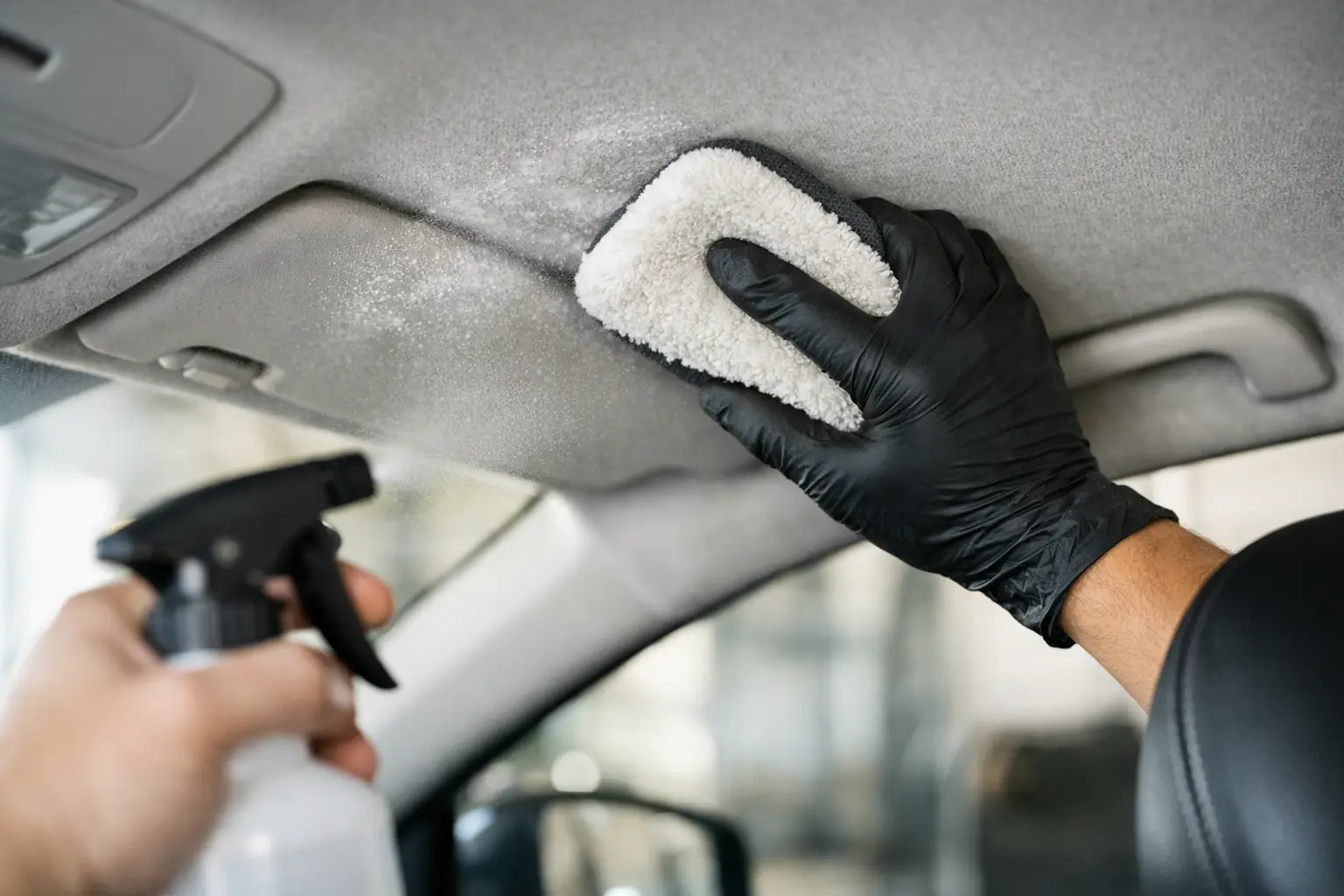
Dust first, then wipe with a lightly damp microfiber towel or interior-safe cleaner. Avoid soaking seams, switches, and electronic controls. If you use a spray product, spraying the towel instead of the surface gives you better control and reduces overspray.
Cloth seats and carpet
Vacuum before applying any cleaner. If you skip that step, you can push grit deeper into the fibers. Treat stains with a fabric-safe product and blot rather than scrub aggressively. Heavy scrubbing can fuzz fabric or spread the stain.
Leather and synthetic leather
Use gentle products and less moisture than you think. Leather especially does not need to be drenched. Clean first, then condition only when needed. If seats feel slippery or shiny after cleaning, there is probably too much residue left behind.
Screens and clear plastics
Infotainment displays, gauge covers, and glossy trim scratch easily. Use a clean microfiber towel and a screen-safe cleaner if needed. Avoid household glass cleaners unless the manufacturer says they are safe.
Stop stains and odors before they settle in
Spills are easier to fix in the first five minutes than the next five days. If coffee, soda, milk, or sauce lands on the seat or carpet, blot it right away with a dry microfiber towel. Press to absorb. Do not rub it around.
Odors usually come from trapped moisture, food residue, or fabric that never fully dried after cleaning. If your interior smells musty, check the floor mats and carpet first. Moisture under mats is common, especially during rainy or snowy months. Let the area dry fully before putting everything back.
For persistent smells, vacuum thoroughly and clean the source rather than trying to cover it with air fresheners. Air fresheners can help after cleaning, but they do not solve old spills, pet accidents, or mildew. Cabin air filters also play a role. If the inside of the car smells stale even when the surfaces are clean, a dirty filter may be part of the problem.
Daily habits that make the biggest difference
Keeping the interior clean is mostly about what happens between major cleanings. A few small habits have an outsized effect.
Take trash out every time you leave the car for the day. Knock dirt off shoes before getting in when possible. Use all-weather mats if you regularly deal with mud, sand, or snow. Keep napkins or microfiber towels in the glove box for quick spill control. If you transport pets, use a seat cover and vacuum hair before it gets worked into fabric.
It also helps to limit what lives in the car permanently. The more random items you store in the cabin, the more surfaces collect dust and the harder it is to clean around them. Emergency gear is one thing. A rolling collection of bottles, receipts, gym clothes, and charger cables is another.
Common mistakes that make interiors look worse
More product is not better. Overusing cleaners can leave streaks, sticky residue, or a greasy shine that attracts dust. The same goes for dressing products on the dash and door panels. A natural, clean finish usually ages better than an overly glossy one.
Another mistake is waiting too long to vacuum. Dirt that stays in carpet and seat fabric acts like an abrasive over time. It can wear fibers down, especially in high-traffic areas like the driver footwell and front seats.
Steam and wet extraction can be useful, but they are not always the right answer for a quick maintenance clean. Too much moisture inside a vehicle can create its own problems if drying time is poor. If you do a deep fabric cleaning, leave enough time for the interior to dry completely.
Finally, be careful with household products. Some are fine in limited situations, but many are too harsh for automotive materials. Interior surfaces deal with heat, UV exposure, skin oils, and constant touching. Products made for cars are usually the safer bet.
When a professional detail is worth it
Even if you prefer DIY care, there are times when a professional interior detail makes sense. Deep stains, smoke odor, pet accidents, mold concerns, or heavily neglected interiors can take more time and equipment than most owners want to handle at home.
That does not mean routine upkeep has to be outsourced. In fact, regular maintenance helps you avoid paying for major correction later. A professionally cleaned interior also stays nicer longer if you keep up with the weekly habits afterward.
A clean cabin is less about one perfect Saturday and more about what you do in small moments all month. If you make cleanup easy, your car stays more comfortable, holds up better, and never gets far enough gone to feel overwhelming.