
A coffee drip on a light cloth seat can look permanent by the time you get home. It usually is not. The best car upholstery cleaners can break down stains, remove oily residue, and refresh fabric without soaking the foam beneath your seats. The key is matching the cleaner to the mess and using less product than most people think.
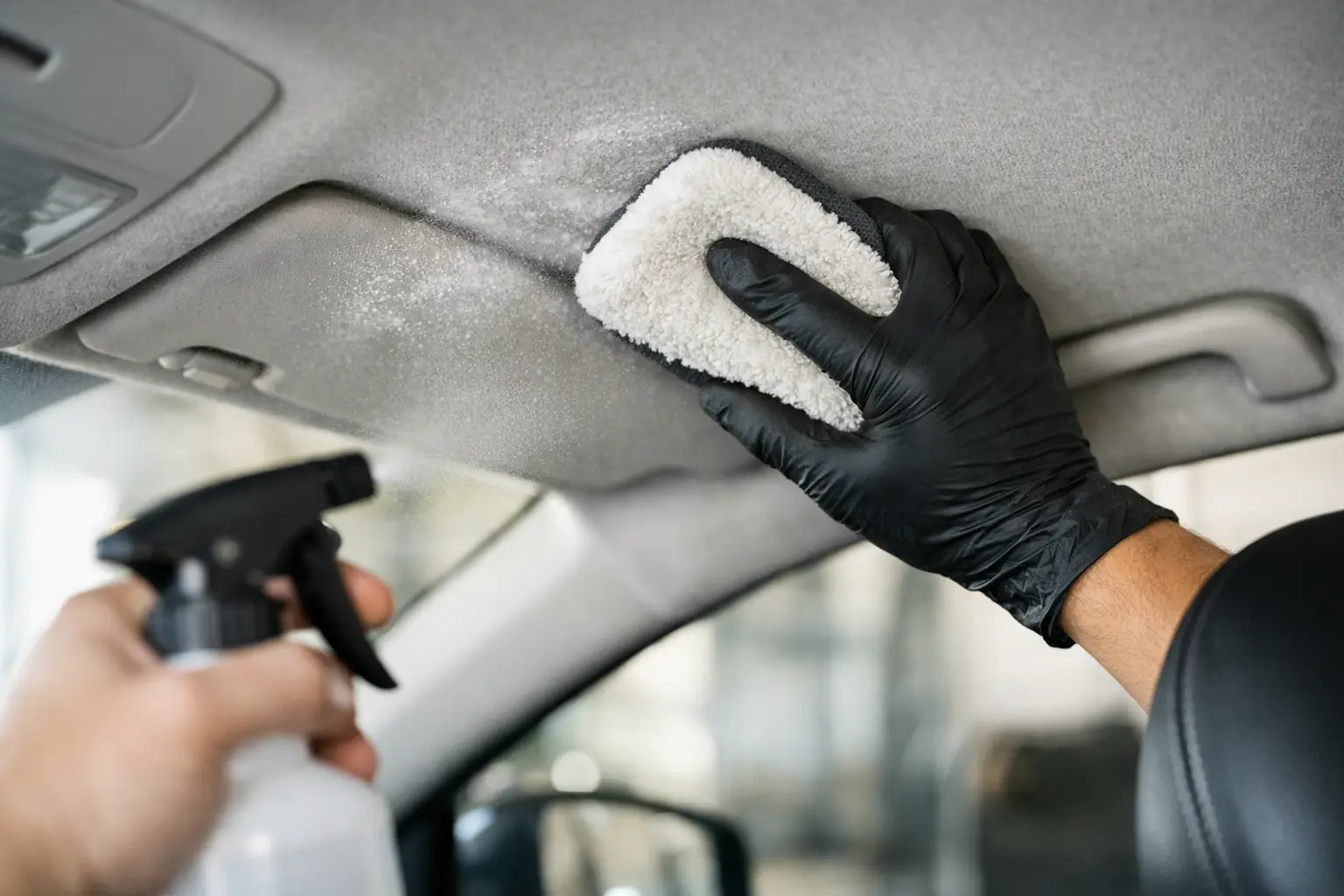
A strong cleaner is only part of the job. Scrubbing too hard can fuzz fabric, while leaving seats wet can create mildew odors. For most everyday interiors, a targeted spray, a soft brush, and clean microfiber towels will get better results than an aggressive all-purpose cleaner.
What the best car upholstery cleaners have in common
A worthwhile upholstery cleaner should lift dirt from fabric rather than leave behind a sticky coating that attracts more dust. It should also be manageable for a driveway detailer: easy to spray, easy to blot away, and reasonably low-foam if you plan to use a wet-dry vacuum or carpet extractor.
There is no single best choice for every seat. Enzyme formulas make sense for food, sweat, pet accidents, and other organic messes. Oxygen-based products can help with old, colored stains. General fabric cleaners are the safer pick for routine grime and light spills. Heavy-duty formulas may work faster, but they also deserve more care around delicate headliners, printed fabric patterns, and trim.
Before using any product, check your owner’s manual if your vehicle has specialty upholstery. These recommendations are for cloth seats and carpet, not leather, suede, Alcantara, or unapproved synthetic materials. Always test a hidden spot first and follow the current product-label directions.
7 best car upholstery cleaners to consider
1. P&S Terminator Spot & Stain Remover
P&S Terminator is a practical choice for set-in food stains, body oils, and pet-related messes. Its enzyme-focused approach is especially useful when the stain has an odor as well as a visible mark. Spray it on the affected area, give it the recommended dwell time, gently agitate, and blot or extract the residue. It is more than most drivers need for a quick dust-up, but it earns a place in a detailing kit for tougher problems.
2. Turtle Wax Power Out! Upholstery Cleaner
Turtle Wax Power Out! is a convenient all-in-one option for drivers who want a simple aerosol cleaner with an attached brush. It works well on routine seat and carpet stains, including tracked-in dirt and drink spills. The brush is useful for small areas, although it can be too aggressive on thin or worn fabric. Use light pressure and finish by blotting with a microfiber towel rather than letting the foam dry in place.
3. Meguiar’s Carpet & Upholstery Cleaner
Meguiar’s Carpet & Upholstery Cleaner is a solid choice for the average family vehicle. It is designed for spot treatment and is easy to reach for after a snack spill, muddy shoe mark, or mystery stain on the rear seat. The included brush can help loosen debris, but it is best used in short strokes. This is a good maintenance cleaner, though deeply embedded stains may need a second treatment or extraction.
4. Chemical Guys Lightning Fast Stain Extractor
Chemical Guys Lightning Fast is aimed at stains that need more lifting power than a basic interior cleaner can provide. It is commonly used on fabric seats, floor mats, and carpet, and it can be diluted for lighter jobs when the label permits. That flexibility is useful, but it also means you should measure carefully. Using a concentrated cleaner too heavily can leave residue that makes upholstery feel stiff or attract dirt later.
5. Griot’s Garage Interior Cleaner
For regular upkeep, Griot’s Garage Interior Cleaner is a sensible, gentler option. It is useful when seats look dull from everyday contact but are not heavily stained. It also helps simplify interior cleaning because it can be used across many approved interior surfaces. On cloth, spray the towel or brush lightly instead of saturating the seat. For greasy or protein-based stains, move up to a dedicated upholstery treatment.
6. 3D Upholstery & Carpet Shampoo
3D Upholstery & Carpet Shampoo is worth considering if you own a portable extractor or wet-dry vacuum. It is made for fabric and carpet cleaning, where thorough removal of loosened soil matters as much as the chemical itself. This type of product is particularly helpful for neglected vehicles, rideshare cars, and high-traffic family interiors. It takes more setup than a spray-and-wipe product, but extraction can deliver a noticeably deeper clean.
7. Rocco & Roxie Oxy Stain Remover
Pet owners often need a cleaner that addresses both staining and odor, and Rocco & Roxie Oxy Stain Remover is a useful option for that job. It can help with organic messes on washable fabric surfaces, but the same rule applies: do not flood a car seat cushion. Treat the surface, work gently, and remove as much moisture as possible. If a pet accident reached the seat foam, repeated light treatments are safer than one soaking application.
How to choose the right cleaner for your interior
Start with the stain, not the brand name. For fresh coffee, soda, or mud, a general upholstery cleaner is often enough. Blot up excess liquid first, then treat the remaining discoloration. For old food, sweat, vomit, urine, or pet accidents, an enzyme cleaner is usually the better first move because it targets the organic material causing the odor.
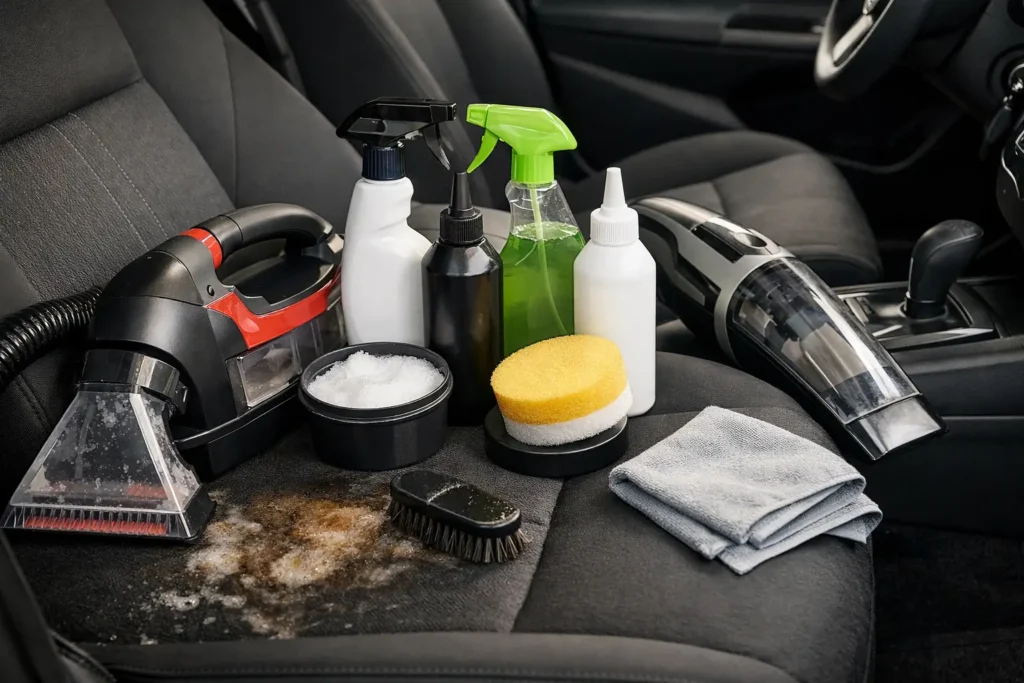
Consider your cleaning method, too. Aerosol foams are convenient for isolated spots. Liquid cleaners work well with a detailing brush and microfiber towels. Low-foam shampoos make the most sense when using an extractor. If you do not have a machine, choose a product that can be thoroughly blotted out and avoid overapplying it.
Fragrance is another trade-off. A scented cleaner may make a car feel fresher immediately, but fragrance does not prove the source of an odor is gone. If odors return after the seat dries, the contamination may still be in the padding or carpet backing. Use an odor-targeting cleaner and allow enough ventilation before deciding whether the treatment worked.
A safer way to clean cloth car seats
Vacuum the seat first, including seams and creases. Loose grit turns into abrasive mud when it gets wet, and removing it first makes the cleaner more effective. Then test your chosen product beneath the seat or on a hidden section of fabric. Check for color transfer, fading, or an unusual texture after the area dries.
Treat one small section at a time. Apply cleaner sparingly, let it dwell according to the label, and agitate with a soft upholstery brush. Work from the outside edge of a stain toward the center so you do not spread it. Blot with a clean microfiber towel, switching to a dry section of the towel as soil transfers.
For larger stains, repeat the process rather than soaking the fabric. If you have a wet-dry vacuum or extractor, use it to remove moisture and cleaner residue. Finally, leave doors or windows open in a dry, ventilated space until the upholstery is fully dry. A fan can speed this up. Do not reinstall child seats or cover damp seats with blankets.
When a cleaner is not enough
Some stains permanently alter fabric dye, especially bleach spots, ink, and old dye transfer from dark clothing. A cleaner may remove surface residue but cannot restore lost color. Cigarette smoke and severe pet odors can also live deep in foam, requiring extraction, odor treatment, or professional detailing.
If a stain keeps returning after cleaning, something may have soaked beneath the upholstery. This is common with spilled milk, large drinks, and pet accidents. Address it sooner rather than later, because trapped moisture and organic material are much harder to remove once odors set in.
A clean interior does not require a shelf full of chemicals. Keep one gentle maintenance cleaner, one stain-focused product, microfiber towels, and a soft brush on hand. That small setup makes it far easier to handle the next spill before it becomes a permanent part of your car’s interior.