
A warning light or a dead battery rarely arrives at a convenient time. The good news is that many common car problems give you clues well before they become expensive repairs. This DIY car maintenance checklist helps you spot those clues, handle the simple jobs yourself, and know when a professional should take over.
You do not need a lift, a garage full of specialty tools, or advanced mechanical experience to stay on top of basic upkeep. A clean rag, tire-pressure gauge, flashlight, gloves, and your owner’s manual will cover a surprising amount of ground. The key is building a routine around mileage, seasons, and what your vehicle is telling you.
Start With Your Owner’s Manual
Before buying fluids or removing a filter, check the maintenance schedule in your owner’s manual. It lists the correct oil viscosity, tire pressure, fluid specifications, service intervals, and warning-light meanings for your exact vehicle.
General advice is useful, but it cannot replace manufacturer requirements. For example, some modern vehicles use long-life coolant and may not need a coolant change for years. Others have transmission fluid that should only be checked or serviced using a specific procedure. Using the wrong product can create more trouble than skipping the job.
Keep a simple maintenance log in your phone or glove box. Record the date, mileage, work completed, and products used. It makes future service easier to plan and can support your car’s resale value later.
DIY Car Maintenance Checklist by Frequency
The easiest way to make maintenance stick is to divide it into small checks. A five-minute inspection each month is far less intimidating than trying to diagnose everything at once.
Every Month: Tires, Fluids, and Lights
Start with your tires. Check pressure when the tires are cold, ideally before driving that day. Use the tire-pressure label inside the driver’s door jamb, not the maximum PSI printed on the tire sidewall. Underinflated tires reduce fuel economy, wear unevenly, and can affect braking and handling.
Look over the tread while you are there. Watch for nails, cracks, bulges, or one edge wearing faster than the other. Uneven wear can point to an alignment issue, worn suspension parts, or simply a missed tire rotation. If your vehicle has a spare tire, check its pressure too. A flat spare is no help on the side of the road.
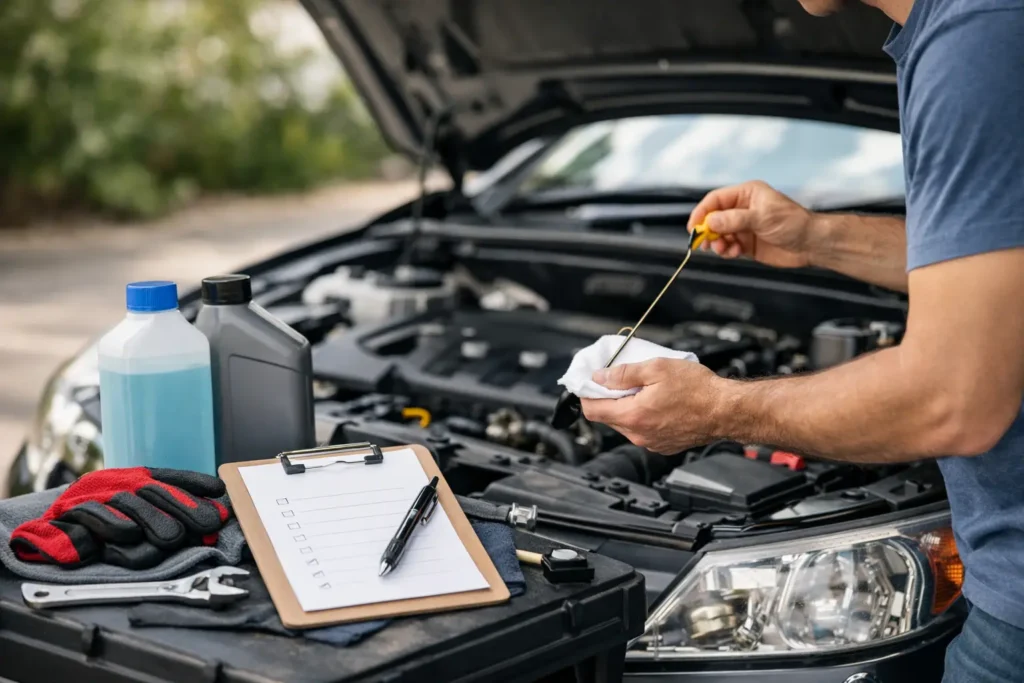
Next, inspect the fluids you can safely access. Engine oil should sit between the marks on the dipstick if your vehicle has one. Many newer cars display oil level electronically, so follow the manual’s instructions. Check brake fluid, coolant overflow level, windshield washer fluid, and power steering fluid if applicable. Never open a hot radiator cap. Coolant systems stay pressurized and can cause serious burns.
Finish with a quick walk-around. Test headlights, taillights, brake lights, turn signals, reverse lights, and hazard lights. Ask someone to stand behind the vehicle for the brake-light check, or use a reflection in a window or garage door. Replacing a burned-out bulb is inexpensive, but being harder to see at night is not.
Every Few Months: Wipers, Battery, and Cabin Condition
Windshield wipers are easy to ignore until rain, snow, or road spray turns the windshield into a blur. Replace blades when they streak, chatter, split, or leave sections of glass uncleared. Clean the windshield and the rubber blade edge first, since dirt and road film can sometimes cause temporary streaking.
Check the battery terminals for white or blue-green corrosion. With the engine off, make sure the terminal connections are secure. If corrosion is present, use a battery-terminal cleaner or a baking soda and water mixture carefully, keeping the solution away from painted surfaces. Wear eye protection and disconnect the negative terminal first if you need to remove the connections.
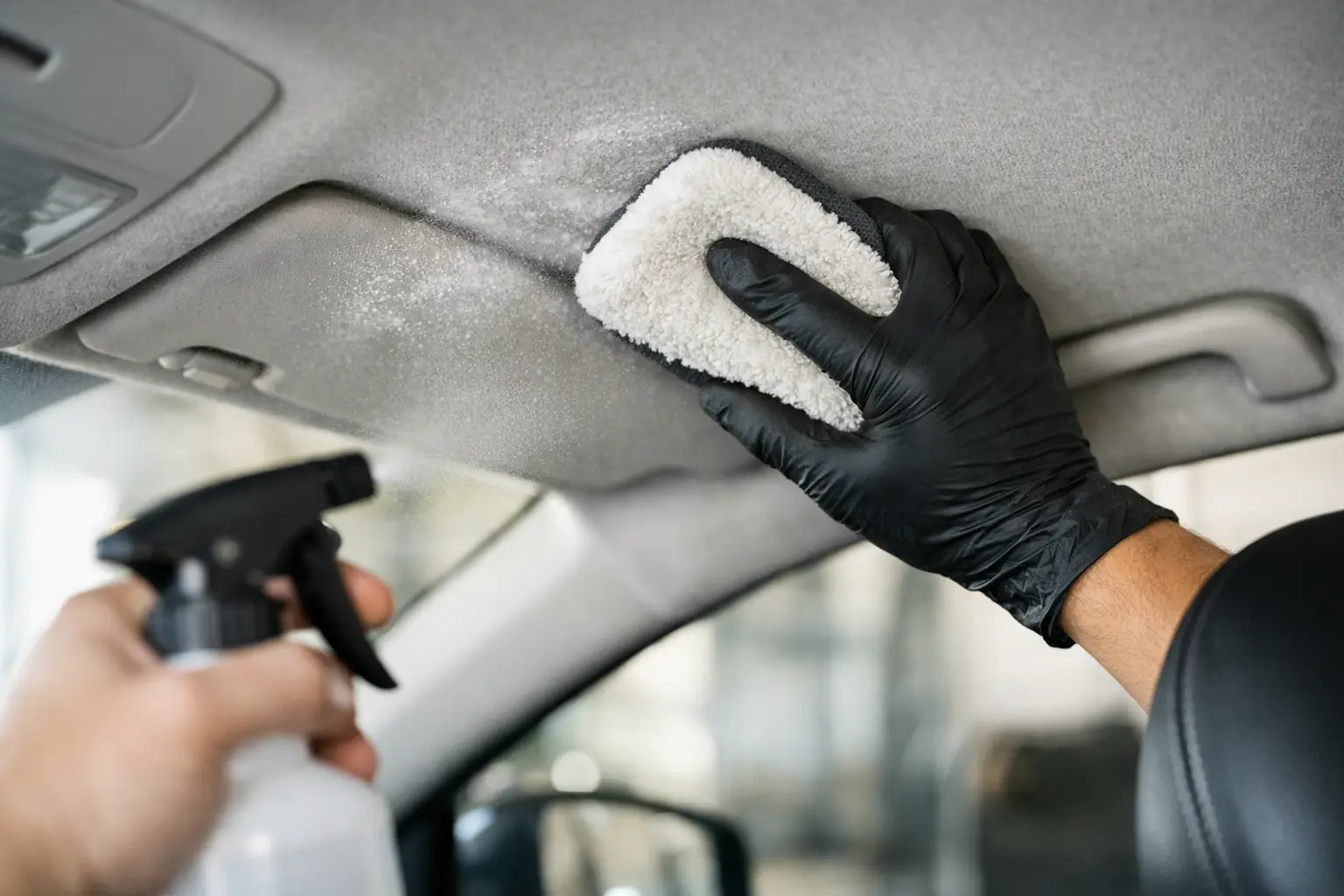
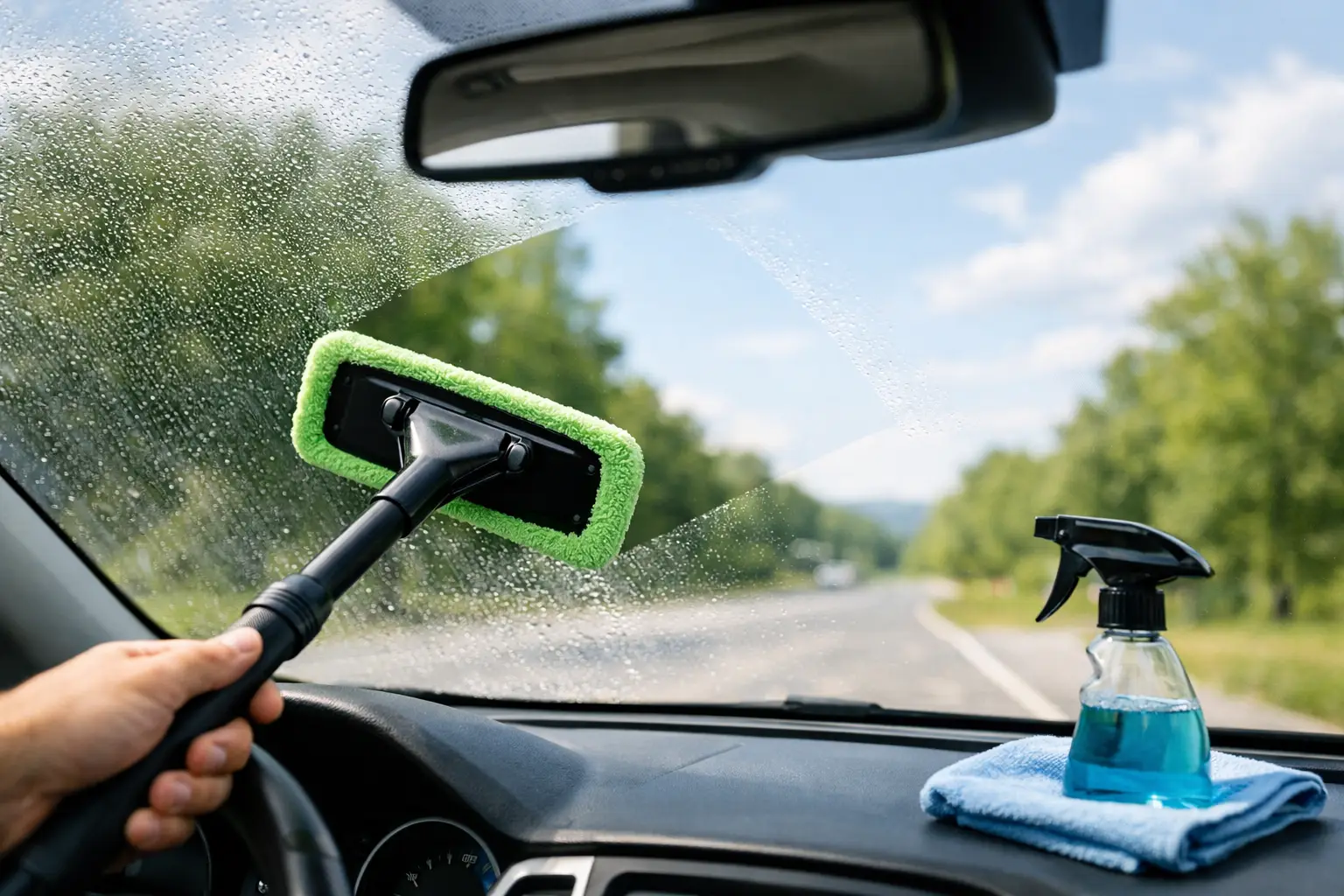
This is also a good time to look inside the car. Remove trash, vacuum floor mats, and check that nothing has rolled beneath the brake or accelerator pedal. Clean interior glass to reduce glare, especially before shorter winter days or long nighttime commutes. Basic detailing is not just cosmetic – a cleaner cabin makes it easier to notice leaks, damp carpet, worn mats, and other early warning signs.
At Oil-Change Time: Inspect More Than the Oil
Whether you change your own oil or use a shop, treat each oil-change interval as an inspection point. Engine oil protects internal components, but its condition can also reveal problems. Oil that looks dark is not automatically bad. Oil gets dark as it does its job. What matters more is following the recommended interval and checking for a sharp fuel smell, metallic particles, or a sudden unexplained drop in oil level.
While the hood is open, inspect belts and visible hoses. Look for cracks, fraying, swelling, leaks, or soft spots. Modern serpentine belts often wear gradually, so squealing, visible rib damage, or accessory problems deserve attention.
Check the engine air filter as well. A slightly dusty filter may still be usable, but a filter packed with dirt, leaves, or debris should be replaced. Do not replace it solely by appearance if your manual gives a specific interval, but do not wait if airflow is clearly restricted. The cabin air filter deserves the same attention. A dirty cabin filter can reduce HVAC airflow and contribute to musty odors.
Every Six Months: Rotate Tires and Check Brakes
Most vehicles benefit from tire rotation about every 5,000 to 7,500 miles, though your manual should have the final word. Regular rotation helps tires wear more evenly and can extend their usable life. If your tires have a directional tread pattern or the front and rear tires are different sizes, the rotation pattern may be limited.
Brake inspections are another smart six-month habit, especially if you drive in traffic, hills, or severe weather. You may be able to see the outer brake pad through the wheel spokes, but a complete inspection often requires wheel removal. Pay attention to warning signs: squealing, grinding, pulsation through the brake pedal, a soft pedal, pulling to one side, or a brake warning light.
Do not try to stretch brake-pad life once you hear grinding. That sound may mean the pad material is gone and the metal backing is contacting the rotor. A pad replacement can turn into a more costly rotor and caliper repair quickly.
Seasonal Checks That Prevent Roadside Problems
Weather changes affect nearly every system on your car. Before summer, test the air conditioning, inspect coolant level, and make sure the cooling fans operate normally. Heat can expose a weak battery, aging hoses, and marginal tire tread.
Before winter, verify that your heater and defroster work properly. Top off washer fluid with a winter-rated formula if freezing temperatures are common where you live. Check tire tread carefully, because wet and snowy roads demand more grip. If you switch to winter tires, inspect the stored set before mounting it.
Regardless of season, clean leaves and debris from the cowl area below the windshield and from sunroof drains if your vehicle has them. Blocked drains can allow water into the cabin, leading to odors, mold, electrical issues, and damaged carpeting.
Jobs Worth Doing Yourself – and Jobs Worth Leaving Alone
DIY maintenance saves money when the task is straightforward and you can complete it safely. Replacing wiper blades, engine air filters, cabin filters, light bulbs, batteries, and washer fluid are good starting points. Changing oil can also be practical if you have safe jack stands or ramps, the right drain pan, and a legal way to recycle used oil.
Some work is better handled by a qualified technician. Brake hydraulic repairs, airbag-related issues, high-voltage hybrid or EV systems, major coolant leaks, transmission problems, and anything requiring the vehicle to be supported underneath should not be rushed. The same applies when a warning light flashes, the engine overheats, or you smell fuel.
There is no prize for doing every repair yourself. The goal is to make informed decisions, avoid preventable damage, and spend professional-service dollars where they matter most.
Keep a Small Car Care Kit
A basic kit makes this checklist easier to follow and helps with minor problems away from home. Include a quality tire-pressure gauge, portable inflator, jumper cables or jump pack, flashlight, microfiber towels, nitrile gloves, windshield washer fluid, and a small first-aid kit. Add your locking wheel-nut key if your wheels use one, and make sure it stays in the vehicle.
A little attention now can spare you from a tow, a missed workday, or a repair bill that started as a simple oversight. Set a monthly reminder, work through one section at a time, and let your car’s manual guide the details. Consistent care is what keeps everyday driving predictable.