
A coffee spill in the cup holder is one thing. Ground-in salt, pet hair, food crumbs under the seats, and a lingering odor are another. If you are wondering how much car interior cleaning costs, the short answer is that basic professional work often starts around $50, while a heavily soiled vehicle can cost $250 or more. What you get for that price matters as much as the number itself.
For many drivers, a professional interior cleaning is worth considering before a resale, after buying a used vehicle, or when regular vacuuming no longer makes the cabin feel clean. But you do not always need a full detail. Knowing what shops include, what raises the price, and what you can handle yourself helps you spend appropriately.
Typical car interior cleaning prices
Professional interior cleaning prices vary by city, vehicle size, and the condition of the cabin. A compact sedan that is routinely maintained will usually cost less than a three-row SUV carrying months of kids’ snacks, dog hair, and sports gear.
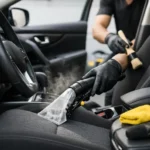
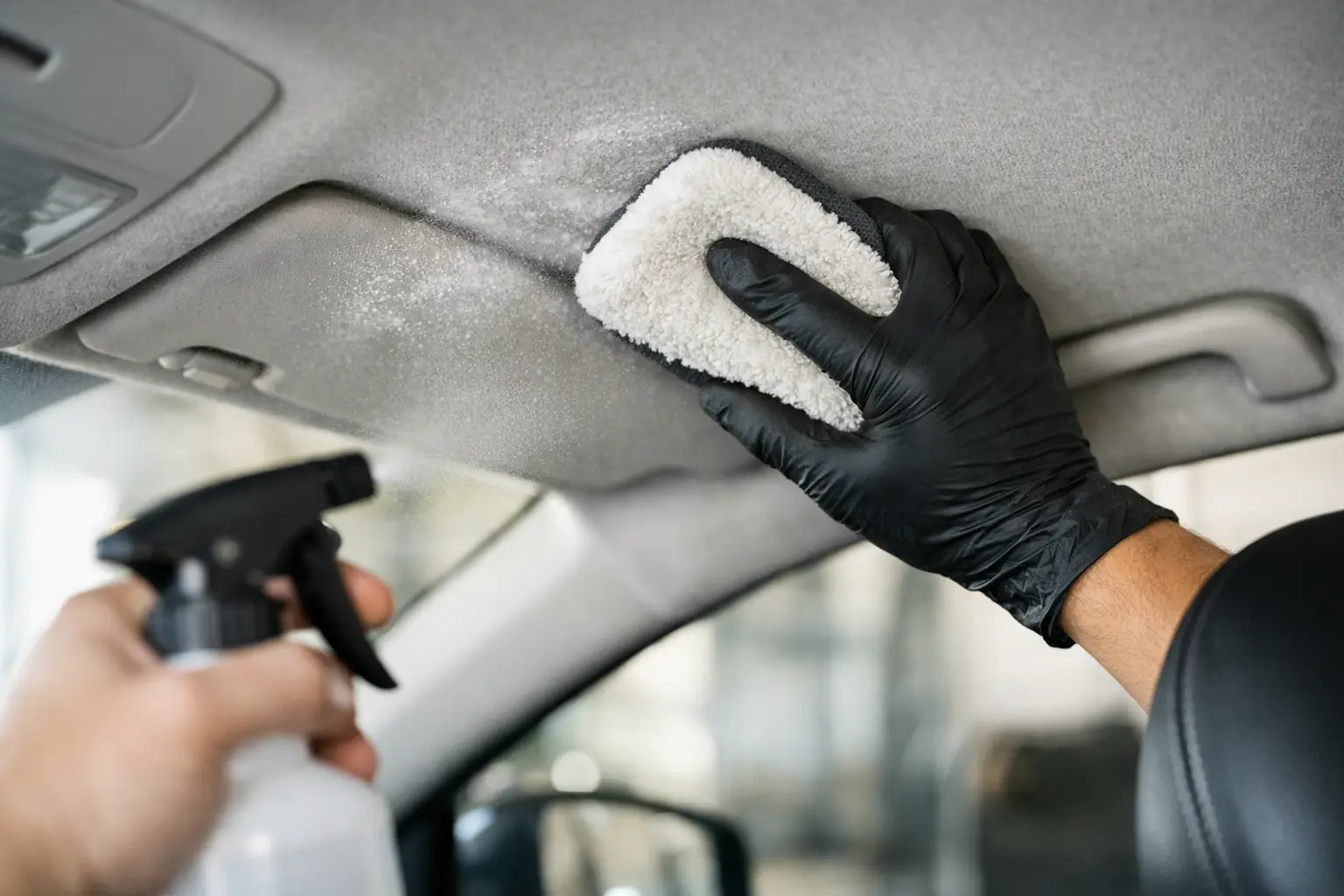
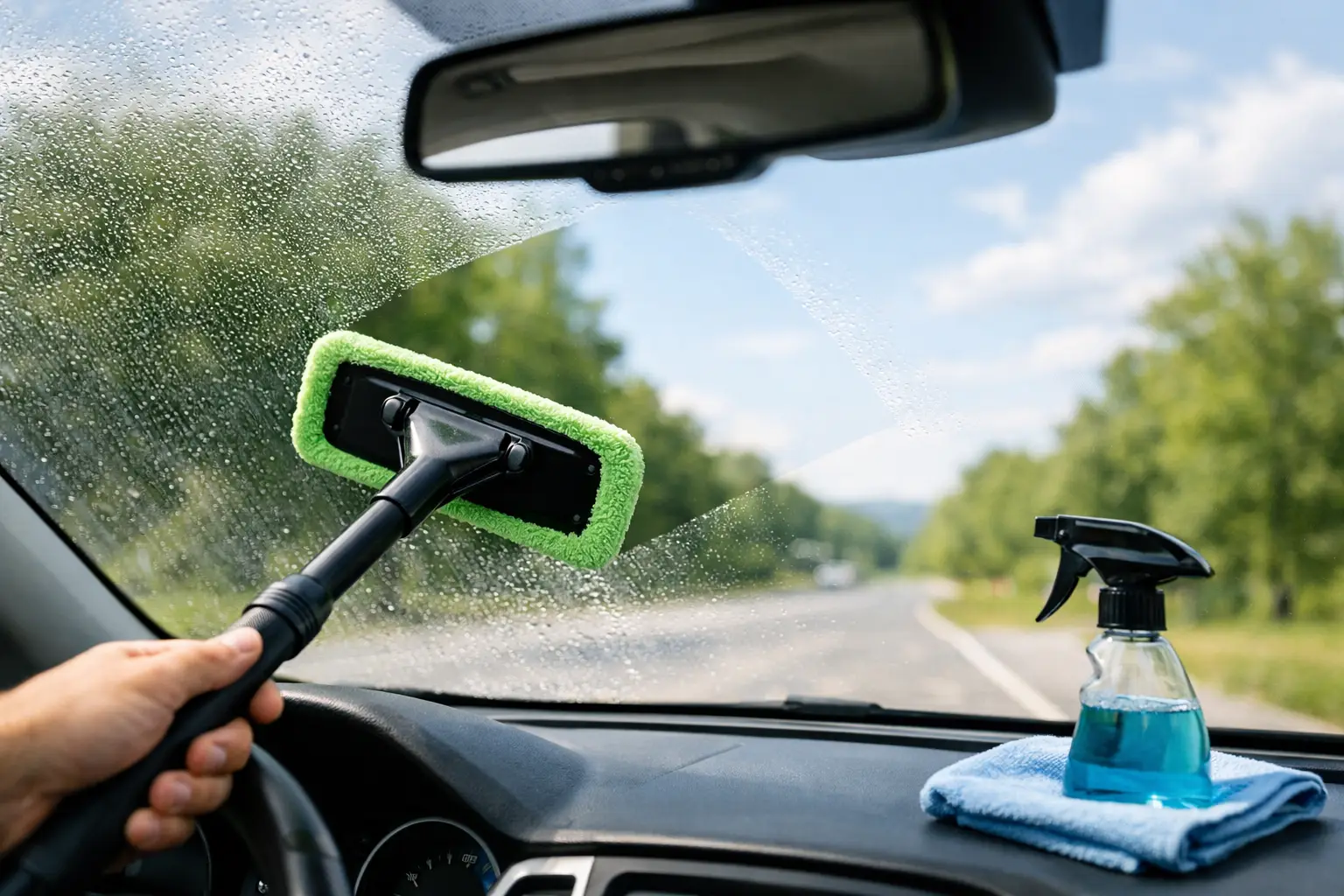
A basic interior clean generally runs $50 to $100. This is usually a maintenance-level service: vacuuming carpets and seats, wiping hard surfaces, cleaning interior glass, emptying trash, and applying a light protectant to plastic or vinyl. It can freshen a reasonably clean vehicle, but it may not remove stains or strong odors.
A standard interior detail commonly costs $100 to $200. At this level, detailers often spend more time on crevices, floor mats, door jambs, cup holders, vents, upholstery, and carpet. Shampooing or steam cleaning may be included, though every shop defines its packages differently.
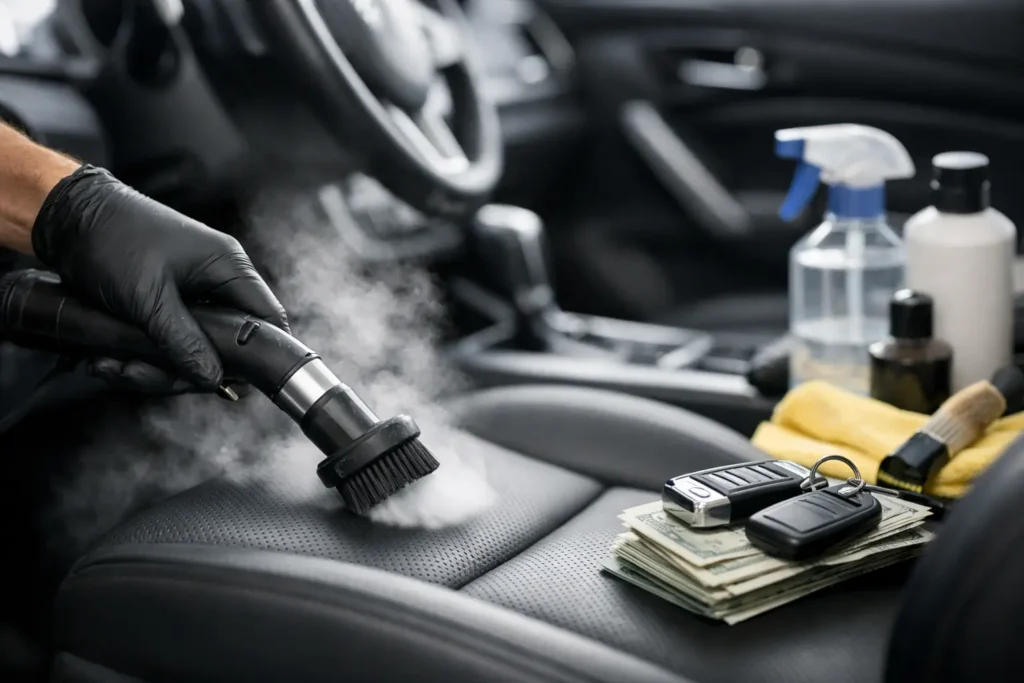
A deep interior detail often costs $175 to $350 or more. This service is intended for neglected interiors, vehicles being prepared for sale, or cabins with embedded dirt, stains, pet hair, smoke residue, and odor issues. Deep cleaning can include extraction of fabric seats and carpets, leather cleaning and conditioning, steam treatment, detailed brushing, and more extensive odor treatment.
Mobile detailers may charge a little more than a fixed-location shop because they bring water, power, equipment, and supplies to you. On the other hand, independent operators can sometimes be more flexible than dealership detailing departments. Get a written description of the package rather than choosing based on the package name alone.
What changes the cost of car interior cleaning?
The biggest factor is labor time. A detailer can refresh a lightly used sedan in an hour or two, but extracting old stains from carpet, removing pet hair from upholstery, and cleaning every tight interior seam can take much longer.
Vehicle size matters for the same reason. A coupe or small sedan has less carpet, fewer seats, and fewer panels than a full-size truck, minivan, or large SUV. Many shops add $20 to $75 for larger vehicles, and some build vehicle size directly into their pricing tiers.
Condition matters even more than size. A vehicle with a few crumbs and dusty dashboards is not in the same category as one with mold, spilled milk, smoke odor, mud, or years of neglected grime. Detailers may charge an extra hourly rate for severe conditions, especially when they cannot estimate the work until they inspect the vehicle.
The material inside your car also affects the job. Cloth seats and carpet often need shampooing or hot-water extraction for stain removal. Leather needs a gentler cleaner and conditioner. Alcantara, suede, and delicate trim require specialized methods, and aggressive cleaning can damage them.
Location plays a role, too. Labor and operating costs are usually higher in large metro areas. A $120 interior detail in a smaller market may be closer to $200 in a high-cost city, even when the service list looks similar.
Common add-ons and what they cost
Base packages do not always include the services that solve the most frustrating interior problems. Ask about add-ons before booking, particularly if your car has a specific stain or odor issue.
Pet hair removal commonly adds $25 to $100, depending on how much hair is embedded in seats and carpet. This work is time-consuming, especially in vehicles with textured upholstery or carpet.
Shampooing or extracting seats and carpets can add $50 to $150 if it is not already part of the package. This is often the most useful upgrade for fabric interiors, but the cabin may need several hours to dry fully.
Odor treatment typically ranges from $50 to $150. An ozone treatment, enzyme cleaner, or interior fogging service may help with smoke, food, mildew, and pet odors. Still, odor removal is not magic. If the source remains under the seat, in the trunk, or inside a damp carpet pad, the smell can return.
Stain removal may cost $20 to $75 per stain or be billed by time. Older stains are harder to remove, and some discoloration is permanent. A reputable detailer should set realistic expectations instead of promising that every stain will disappear.
Mold cleanup can cost substantially more and may require professional assessment. If you see visible mold or suspect water has soaked into carpet padding or insulation, do not assume a standard interior detail will make the problem safe or permanent. The moisture source needs to be fixed first.
Basic cleaning versus a full interior detail
The right service depends on what you need from the appointment. A basic cleaning is a sensible choice when the interior is already in fair shape and you want to maintain it. It is also useful before a road trip or after a messy season.
A full detail makes more sense when the car has been neglected, when you are selling or trading it in, or when the cabin no longer feels comfortable despite your usual cleaning routine. Clean upholstery, odor-free carpet, and well-kept trim can improve a buyer’s first impression. It will not necessarily raise the sale price dollar for dollar, but a cared-for interior supports the overall condition of the vehicle.
Avoid paying for a deep detail solely because a package sounds comprehensive. If your only issue is dog hair in the cargo area, a focused add-on could cost less than a full restoration service. Describe your concern clearly and ask whether the shop can tailor the work.
Is DIY interior cleaning cheaper?
Yes, if you have the time and the mess is manageable. A basic DIY setup can cost $25 to $60 for microfiber towels, a vacuum attachment, interior cleaner, glass cleaner, soft brushes, and a fabric or leather product suited to your seats. Those supplies can cover multiple cleanings.
For a deeper job, renting or buying an upholstery extractor changes the math. A rental may cost roughly $30 to $60 per day, while a consumer-grade extractor can cost $100 to $250 or more. It can be a good investment for households with children, pets, or multiple vehicles, but only if you use it correctly.
The trade-off is time and technique. Too much water can leave carpet damp and create odor problems. Strong household cleaners can fade fabric, dry out leather, or leave shiny residue on dash surfaces. Test cleaners in a hidden spot, use minimal moisture, and allow the vehicle to dry with doors or windows open in a safe, dry location.
DIY cleaning works especially well for maintenance: vacuum regularly, wipe spills immediately, clean mats before dirt reaches the carpet, and use a soft brush around seams and controls. These habits make an occasional professional detail less expensive because the car never reaches a severe-condition price tier.
Questions to ask before you book
Before agreeing to a price, ask what is included and what is extra. Confirm whether the quote covers your vehicle size, fabric shampooing, leather treatment, pet hair, stain work, odor treatment, and taxes. If the car is unusually dirty, send clear photos or request an inspection so the shop can give a more accurate estimate.
Also ask about drying time. Extracted seats and carpets may feel damp for several hours, particularly in humid weather. If you need the vehicle that evening, schedule accordingly.
The lowest quote is not always the best value. A detailer who takes time to identify the cause of an odor, explains limits on stain removal, and outlines the work is usually offering a more reliable service than one promising a perfect result without seeing the car.
A clean cabin is easier to live with, easier to maintain, and more inviting when it is time to sell. Start with the level of cleaning your car actually needs, then keep up with small jobs between appointments so the next one stays simple and affordable.