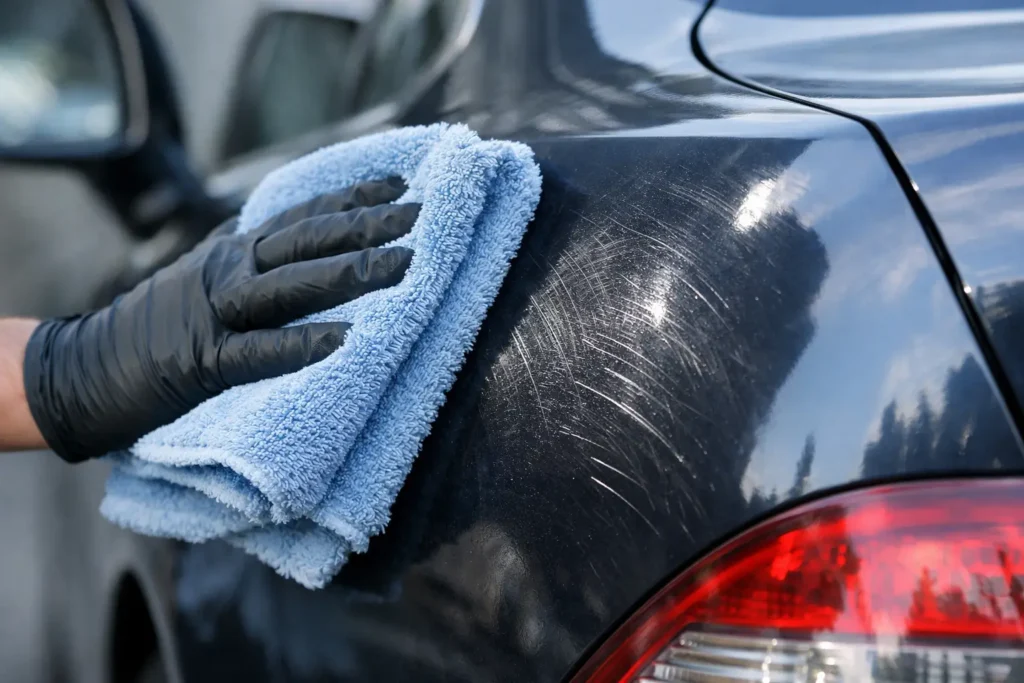

A clean microfiber towel can be one of the safest things to touch your vehicle’s finish. A dirty, worn-out, or poorly used one can leave behind the fine swirls that show up under gas-station lights and direct sun. So, can microfiber scratch paint? Yes, but the towel itself is usually not the real problem. Contamination, pressure, towel condition, and washing technique are what turn a soft detailing tool into a source of paint damage.
For everyday car owners, that distinction matters. You do not need to avoid microfiber or treat paint care like a professional-only job. You need to use the right towel, keep it clean, and stop rubbing abrasive dirt across the clear coat.
Can Microfiber Scratch Paint?
Microfiber is made from very fine synthetic fibers, typically a blend of polyester and polyamide. Those fibers are split into tiny strands that lift and hold water, dust, oils, and cleaning residue. When the towel is clean and used gently, that structure makes microfiber safer than old cotton T-shirts, paper towels, bath towels, or rough shop rags.
The catch is that microfiber holds onto particles very effectively. If it picks up grit from a wheel, drops onto a driveway, or gets used repeatedly on a dirty panel without being folded to a clean side, those particles can be dragged over the paint. The resulting marks are often in the clear coat, the transparent top layer that gives automotive paint its gloss and protection.
Not every mark is equally serious. Light wash-induced marring or swirl marks may be corrected with polishing. Deeper scratches that catch a fingernail can reach beyond the clear coat and may require touch-up paint or professional repair. Preventing either type is easier and less expensive than correcting it later.
Why a Soft Towel Can Leave Scratches
Paint is not scratched by softness alone. It is scratched when a harder material moves across it with enough pressure. A microfiber towel becomes risky when dirt, sand, metal particles, dried debris, or hardened product residue are trapped in its fibers.
A towel that falls on the ground is the classic example. Even if it looks clean after being shaken out, tiny grit can remain embedded in the pile. Use it on a dark hood and you may create visible trails in seconds. The same is true of towels used near wheels, lower rocker panels, exhaust tips, or door jambs. These areas collect abrasive road film that should never be transferred to painted body panels.
Technique also plays a major role. Pressing hard does not make a towel clean better. It increases friction and reduces the towel’s ability to pull particles away from the surface. Wiping a dry, dusty car is another common mistake. Dust may look harmless, but it can contain sharp mineral particles. A dry wipe turns that dust into sandpaper against the clear coat.
The Microfiber Towel Matters More Than Many Drivers Think
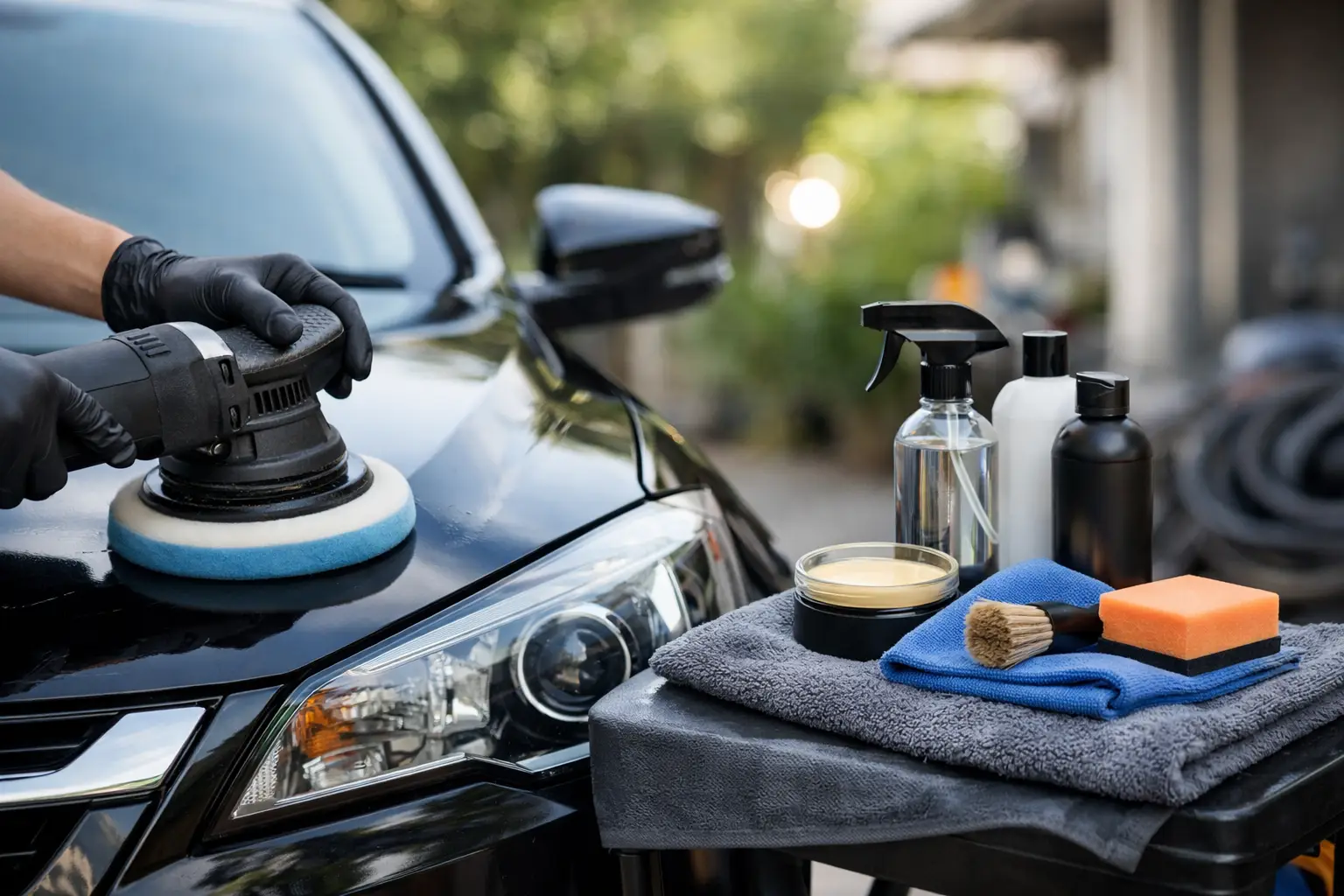
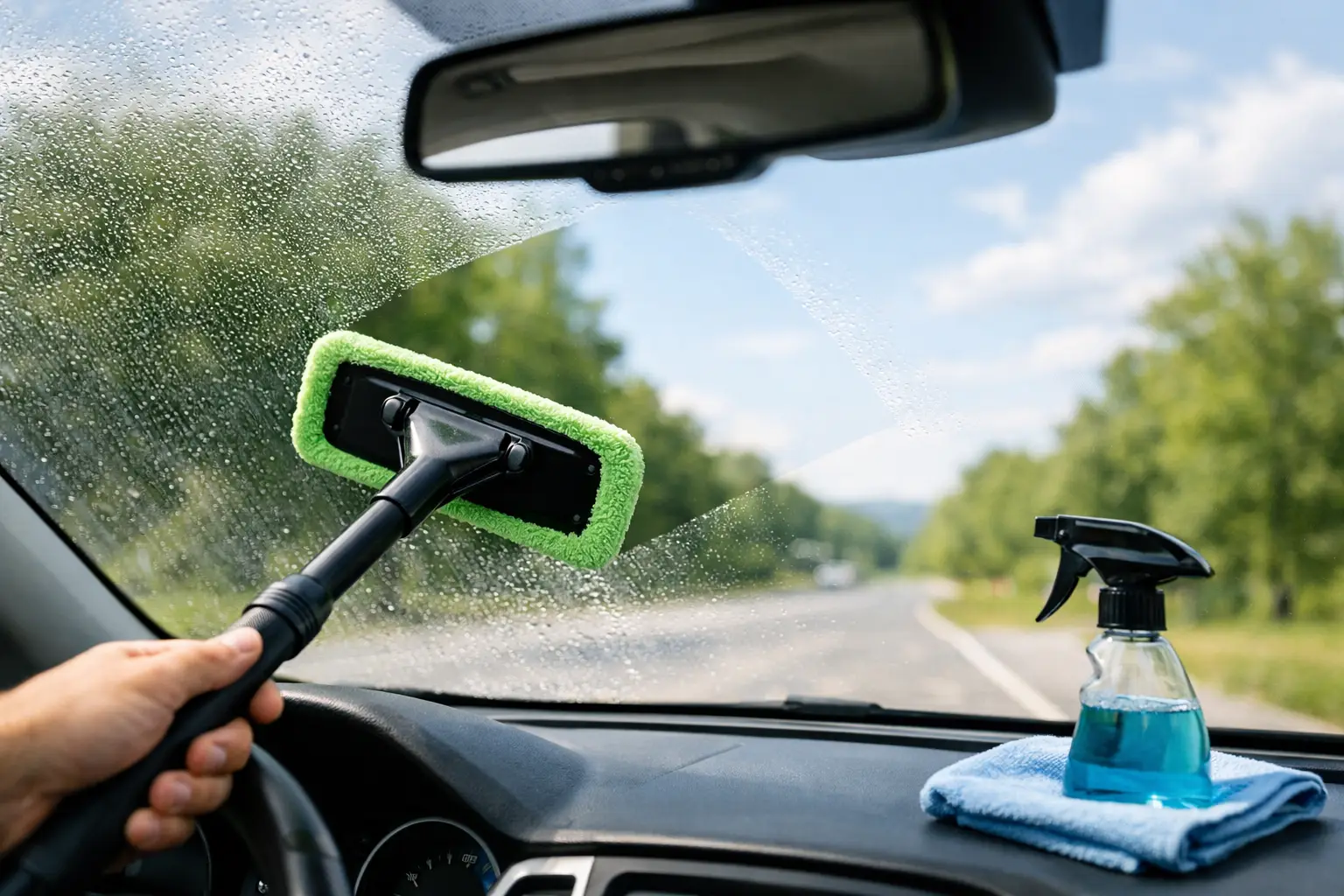
Microfiber towels are not all made for the same job. A plush towel with a soft, deep pile is generally a better choice for applying quick detailer, removing spray wax, or drying a protected vehicle. A short-pile towel can work well for glass, interior surfaces, or buffing certain products, but it gives debris less room to move away from the paint.
For exterior paint, look for towels with soft edges or edgeless construction. Stiff stitched borders can mark sensitive finishes, especially if the towel is old or the edge has hardened after repeated washing. A higher-quality towel also tends to have more consistent fibers and better absorbency, which helps it glide rather than drag.
Color-coding towels is a simple habit that prevents costly mix-ups. Keep paint towels separate from wheel, engine-bay, and interior towels. You do not need a complicated system: one color for paint, one for glass, one for interiors, and one for dirty jobs is enough for most home garages.
How to Use Microfiber on Car Paint Without Causing Swirls
The safest approach starts before the towel touches the vehicle. If the car has visible dirt, mud, pollen buildup, or road grime, rinse it thoroughly first. A microfiber towel should not be asked to remove heavy contamination by itself.
During a full wash, use plenty of lubricating car shampoo and rinse your wash mitt frequently. A microfiber wash mitt is different from a microfiber drying towel, but the same rule applies: it needs to release dirt instead of grinding it into the panel. Work from the cleanest areas to the dirtiest, usually beginning with the roof and upper panels. Save lower doors, bumpers, and rocker panels for last.
When drying, lay a clean drying towel flat on the wet panel and gently pull it across the surface, or pat the paint dry. Avoid aggressive circular rubbing. A drying aid or quick detailer made for wet paint can add lubrication and reduce the chance of towel drag, particularly if your vehicle has little remaining wax or sealant protection.
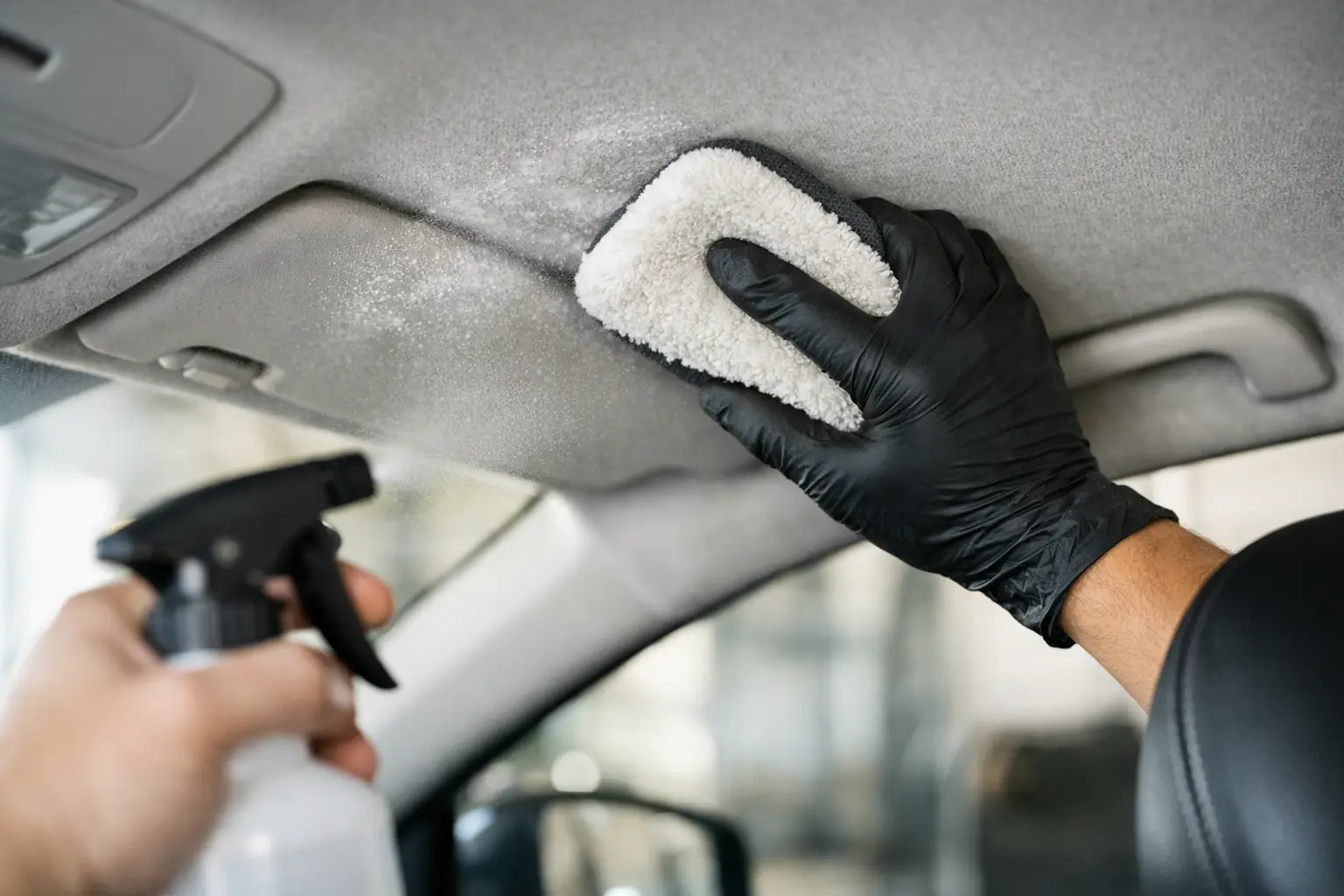
For spot cleaning, spray enough product to loosen the contamination first. Then use light, straight passes with a folded towel. Folding creates multiple clean sections, so you can switch sides as soon as the towel starts to look dirty. Do not keep wiping until a single towel is saturated with grime.
If you feel resistance, stop. Resistance can mean the surface is still dirty, the towel is loaded with debris, or there is a sticky contaminant that needs a dedicated cleaner. More pressure is rarely the answer.
Common Microfiber Mistakes That Damage Paint
The most damaging towel mistakes tend to happen because drivers are trying to save time. Wiping dust off a dry vehicle before leaving for work may feel harmless, but it is a frequent cause of light scratches. A rinseless wash product or detail spray provides lubrication; a dry towel does not.
Using one towel for the entire vehicle is another problem. The first few panels may be fine, but the towel gradually fills with grime. By the time it reaches the lower doors, it has less ability to safely hold debris. Using several clean towels is cheaper than paint correction.
Fabric softener and dryer sheets are also bad news for detailing towels. They can coat the fibers, reducing absorbency and leaving streaks on glass or paint. High heat can damage or melt fine synthetic fibers, making a towel less soft over time. Finally, avoid tossing microfiber towels into a mixed laundry load. Cotton lint can cling to them, while rough items such as jeans or work clothes can snag the fibers.
Wash and Store Microfiber Towels Correctly
Good towel care is paint care. Wash microfiber separately from other laundry with a liquid detergent that does not contain fabric softener, bleach, or heavy fragrances. Use cool or warm water, then run an extra rinse cycle if the towels were heavily loaded with detailing products.
Air-drying is safe, but low heat in a dryer is usually fine and helps keep towels soft. Do not use dryer sheets. Before folding and storing each towel, inspect it under good light. If you find embedded grit, hardened residue, torn edges, or a rough patch, retire that towel from paint work. It may still be useful for wheels, tires, door jambs, or other dirty tasks.
Store clean paint towels in a sealed bin, cabinet, or clean drawer. Leaving them on an open garage shelf allows dust and debris to settle into the fibers before the next wash. A towel can be freshly laundered and still unsafe if it has spent a week collecting garage dust.
When Microfiber Is Not the Right Tool
Microfiber is versatile, but it is not a solution for every paint-care job. A dry towel should not be used to remove gritty mud, heavy sand, or caked-on salt. Start with water and a proper wash process. For bonded contamination such as tree sap, bug residue, or overspray, use a product designed for that contaminant and follow its directions before wiping.
Very soft or delicate finishes deserve extra caution. Some dark paints and fresh repaints can mark more easily than others. On these surfaces, use the softest clean towels available, generous lubrication, and minimal contact. If a vehicle was recently repainted, follow the body shop’s curing instructions before applying waxes, sealants, or cleaning products.
A ceramic coating, wax, or paint sealant can also make drying and routine cleaning safer because water and dirt release more easily. Protection does not make paint scratch-proof, but it reduces friction and gives you more margin for error.
The practical rule is simple: microfiber is safe when it is clean, appropriate for the job, and used with lubrication and light pressure. Treat towels as consumable tools rather than permanent household rags. Replacing a questionable towel is a small expense, and it helps preserve the gloss, condition, and resale value you are trying to protect every time you wash your car.