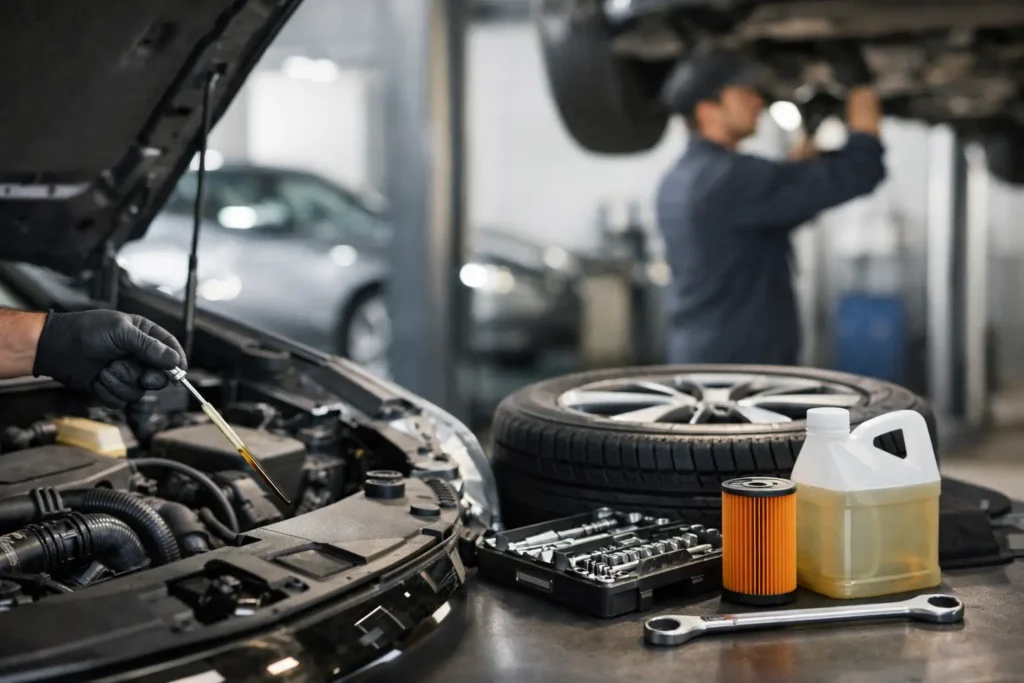

A repair bill rarely starts with one dramatic failure. More often, it begins with a warning light ignored for a few weeks, tires that slowly lose pressure, or engine oil left in service too long. Consistent vehicle maintenance is how you catch those small issues while they are still inexpensive, manageable, and less likely to leave you stranded.
The goal is not to turn every car owner into a technician. It is to know what deserves your attention, what you can comfortably handle at home, and when a professional inspection is the smarter move. A clean, well-maintained car also drives better day to day, holds value more effectively, and makes it easier to spot leaks, damage, and unusual wear.
Start With Your Owner’s Manual
Your vehicle’s owner’s manual is more useful than most people realize. It identifies the correct fluids, tire pressures, warning-light meanings, maintenance intervals, and service specifications for your exact model. General advice is helpful, but a compact sedan, full-size truck, hybrid, and turbocharged SUV may all have very different needs.
Look for the maintenance schedule, then pay attention to whether the manual lists normal and severe driving conditions. Many drivers fall into the severe-use category without realizing it. Frequent short trips, stop-and-go commuting, towing, extreme heat, dusty roads, and long periods of idling can all call for more frequent service.
If you bought a used vehicle and do not know its history, start fresh. Record the current mileage, check the condition of the fluids and tires, and schedule an inspection if anything is uncertain. Establishing a baseline makes future maintenance much easier to track.
The Vehicle Maintenance Checks to Do Regularly
A few minutes each month can prevent the most common avoidable problems. These checks do not require a lift, a garage full of tools, or advanced mechanical experience.
Check tire pressure and tread
Tires affect braking, fuel economy, ride quality, and handling. Check pressure at least once a month and before a long road trip, using the pressure listed on the driver’s door-jamb sticker. That number is usually more relevant than the maximum pressure printed on the tire sidewall.
A tire can look fine and still be significantly underinflated. Low pressure creates extra heat and uneven shoulder wear, while overinflation can reduce grip and wear the center tread more quickly. Inspect for nails, cracking, sidewall bulges, and uneven wear while you are there.
For tread, use a depth gauge if you have one. The old penny test can provide a rough indication, but it is not a substitute for measuring tread depth or addressing visible uneven wear. If the inside or outside edge is wearing faster than the rest, you may need an alignment, suspension inspection, or tire rotation.
Watch fluid levels and condition
Engine oil is the most familiar fluid check, but it is not the only one. Depending on your vehicle, you may also be able to inspect coolant, brake fluid, windshield washer fluid, and power steering fluid. Some modern vehicles have sealed transmissions and do not provide a simple dipstick check, so follow the manual rather than guessing.
Check engine oil on level ground, following the procedure listed in the manual. Low oil can signal a leak or oil consumption issue, especially if you are topping it off repeatedly. Very dark oil does not automatically mean it needs immediate replacement, but a burnt smell, gritty texture, or warning message deserves attention.
Never open a hot radiator cap. Coolant systems are pressurized and can cause serious burns. If the coolant reservoir is repeatedly low, have the system checked instead of continually adding fluid. The same goes for brake fluid: a low level can point to worn brake pads or a leak, both of which need proper diagnosis.
Test lights, wipers, and visibility
Ask someone to help you check headlights, brake lights, turn signals, reverse lights, and hazard lights. A failed bulb is a simple fix, but it can compromise safety and earn you an unnecessary ticket.
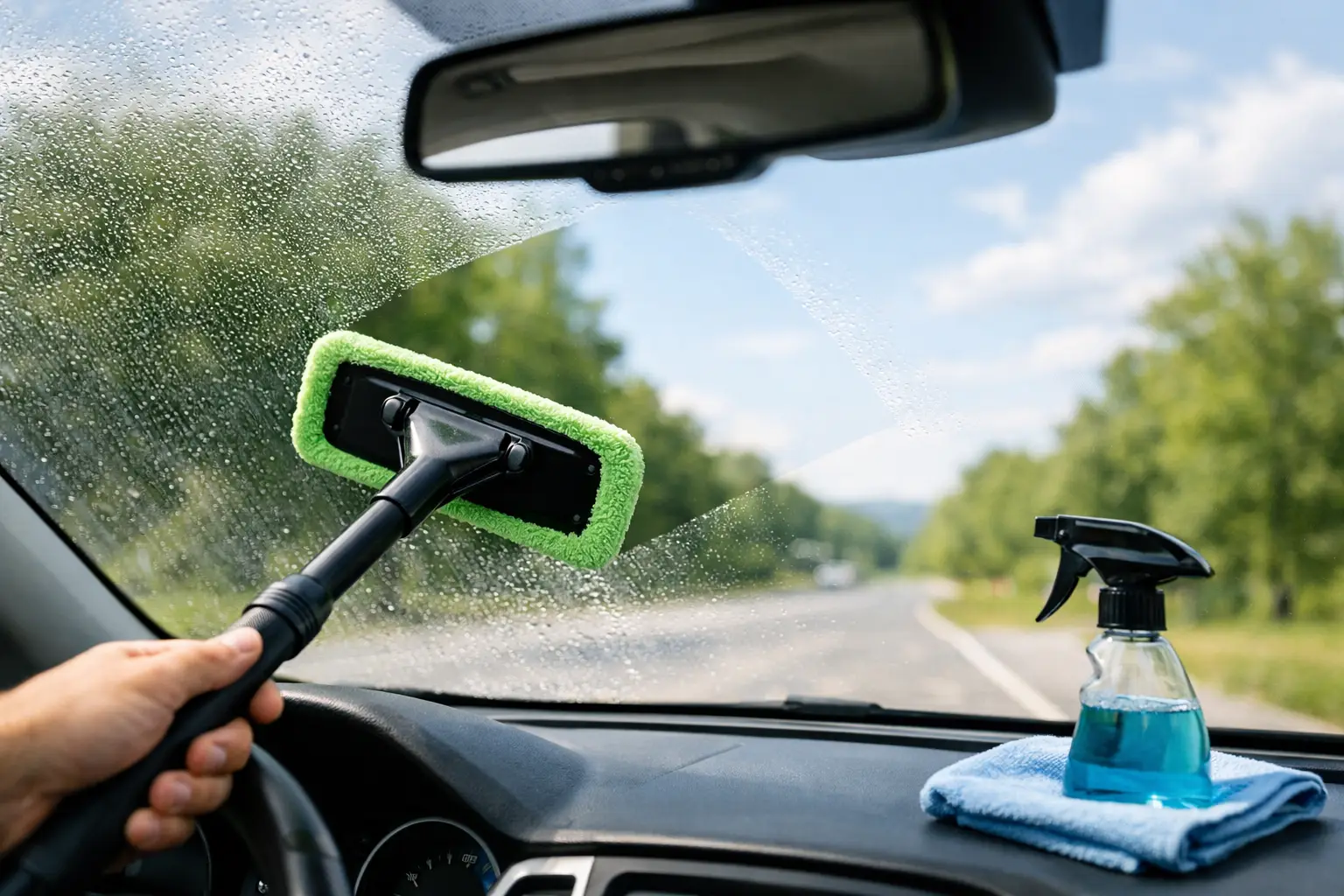
Wiper blades deserve more attention than they get. Replace them when they streak, skip, chatter, or leave sections of the windshield uncleared. Keep washer fluid topped off, especially during winter or pollen-heavy months. Clear visibility is basic safety equipment, not a cosmetic extra.
Follow Service Intervals, Not Guesswork
Oil changes, tire rotations, brake inspections, air-filter replacement, and fluid services should happen on a schedule based on your vehicle and driving habits. Do not rely solely on the old 3,000-mile oil-change rule. Many modern vehicles can safely go longer with the correct oil, while some driving conditions require shorter intervals.
The oil type matters as much as the interval. Using the wrong viscosity or skipping the manufacturer-required specification can affect engine protection, fuel economy, and warranty coverage. If you do your own oil changes, keep receipts and write down the mileage, date, oil type, and filter used.
Tire rotation is another service that pays off over time. Front and rear tires often wear differently, particularly on front-wheel-drive vehicles. Rotating them at the recommended interval helps the set wear more evenly and can extend tire life. If your vehicle has staggered tire sizes or directional tires, the proper rotation pattern may be limited.
Brake service is less predictable because wear depends heavily on traffic, driving style, terrain, and vehicle weight. Listen for squealing, grinding, or a change in pedal feel. Grinding generally means the issue has moved beyond a routine pad replacement and should be addressed immediately.
Keep the Car Clean Enough to Inspect
Cleaning is part of practical car care. Dirt hides paint damage, road salt accelerates corrosion, and a neglected interior can develop odors, stains, and premature wear. You do not need a showroom-level detail every weekend, but regular cleaning makes maintenance easier.
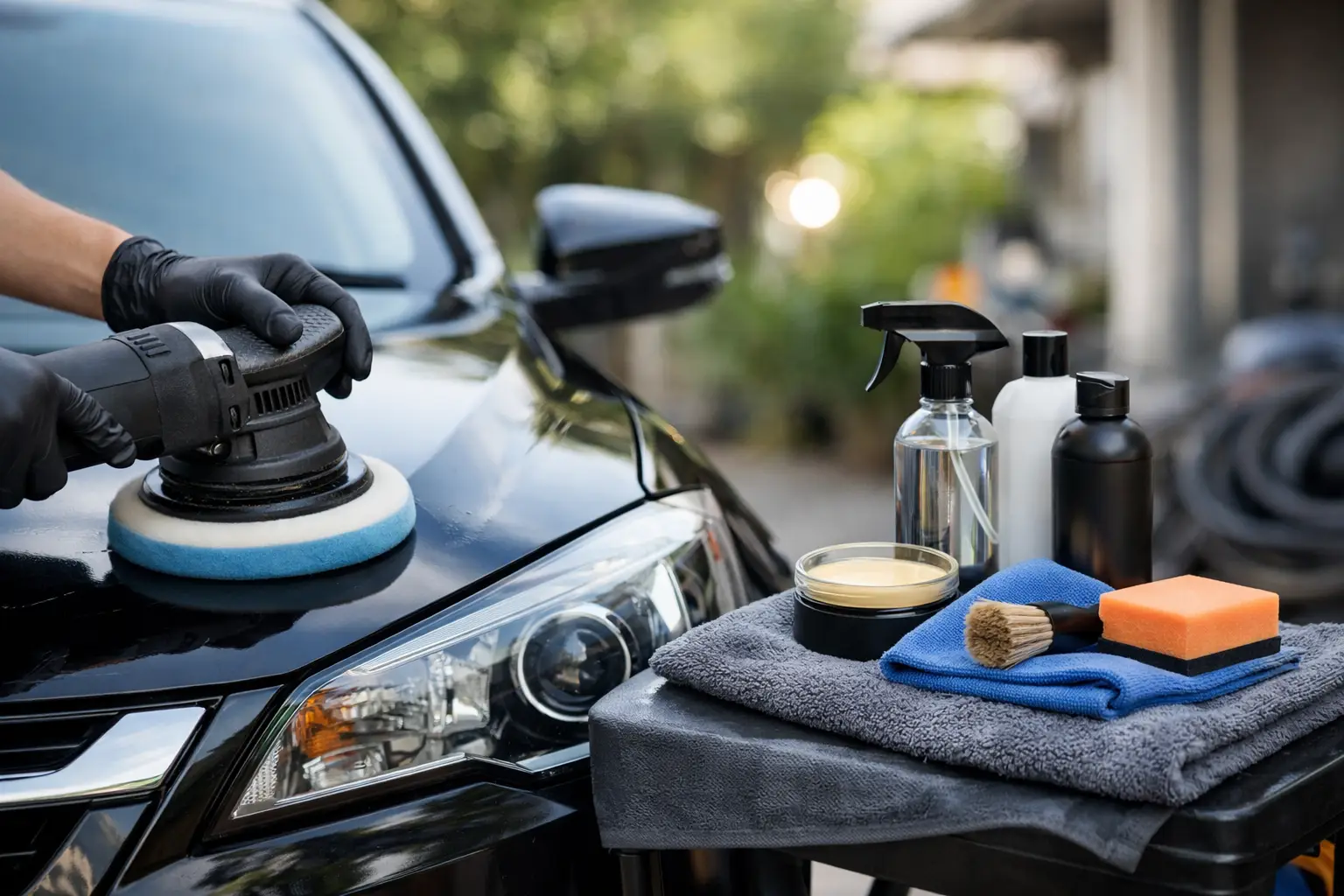
Wash the exterior often enough to remove road film, bird droppings, tree sap, and winter salt. Bird droppings and sap can damage clear coat if left to bake in the sun. Pay attention to wheel wells, lower body panels, and the underside when conditions allow, since those areas collect grime and salt.
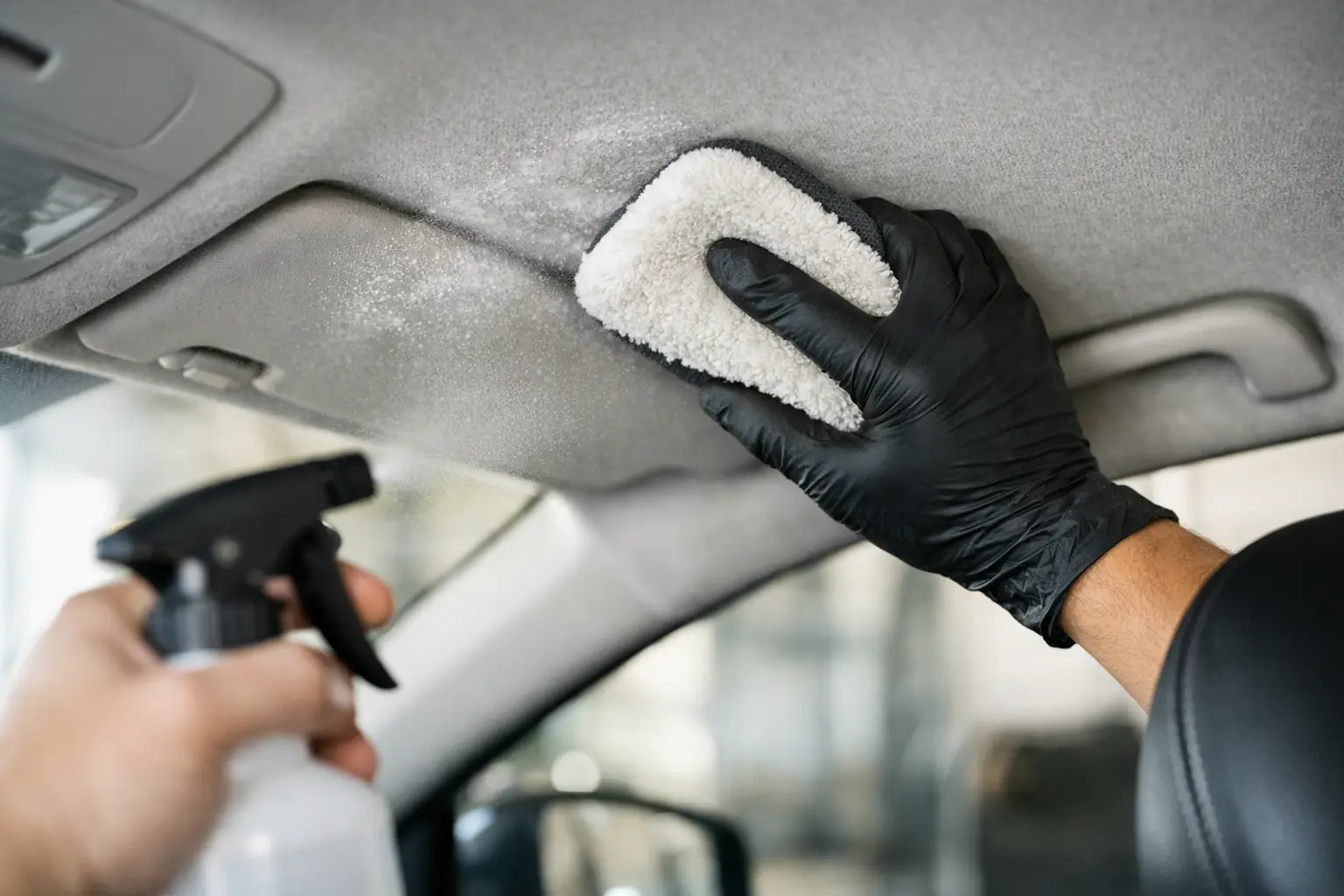
Inside the cabin, vacuum floor mats and seats, wipe high-touch surfaces, and clean spills quickly. Avoid soaking electronic controls or spraying cleaner directly into vents and screens. A lightly damp microfiber towel and an interior-safe cleaner usually go a long way.
While cleaning, inspect the windshield for chips, the paint for fresh scratches, the weatherstripping for tears, and the floor for unexplained dampness. A small windshield chip may be repairable before it spreads. Moisture inside the cabin can point to a clogged sunroof drain, leaking door seal, or heater-core issue.
Know Which Warning Signs Cannot Wait
Some problems should move to the top of your to-do list. Continuing to drive can turn a moderate repair into an expensive one, or create a real safety risk.
Stop driving and arrange help if you see an oil-pressure warning, an overheating warning, heavy smoke, a severe brake problem, or a flashing check-engine light. A flashing check-engine light often indicates an active misfire that can damage the catalytic converter.
Other concerns may allow a short, careful drive to a repair shop, but should not be ignored. These include a steady check-engine light, recurring battery problems, vibration at highway speeds, a new fluid leak, pulling during braking, or an unusual clunk over bumps. Write down when the problem happens, what you hear or feel, and whether any warning lights appear. Clear details help a technician diagnose the issue faster.
Build a Maintenance Record You Will Actually Use
A simple notes app, spreadsheet, or folder for receipts is enough. Track the date, mileage, service performed, parts used, and any observations. This habit is useful when troubleshooting a recurring issue, comparing repair recommendations, or selling the vehicle later.
Keep records for oil changes, tire purchases and rotations, battery replacement, brake work, inspections, major fluid services, and repair invoices. If you do work yourself, take a quick photo of the odometer and the receipt for the parts. It creates a reliable history without much effort.
Vehicle maintenance works best as a routine, not a reaction to dashboard lights. Pick one day each month to check tires, fluids, lights, and basic cleanliness, then follow the service schedule that fits your car and driving conditions. Those small, repeatable habits give you more control over repair costs and more confidence every time you start the engine.