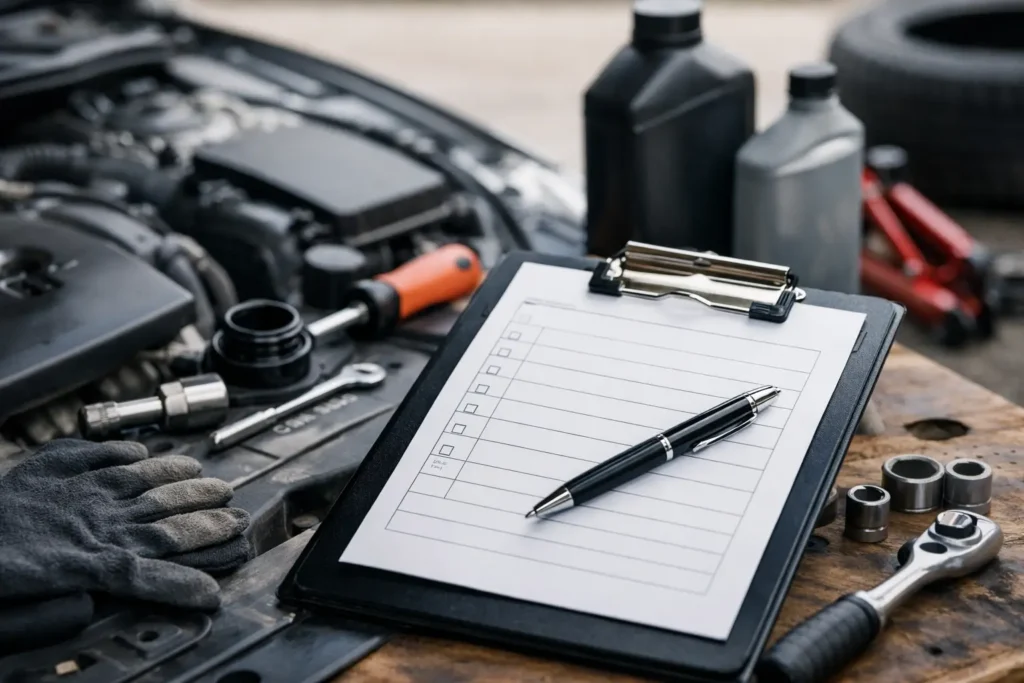

A missing oil-change receipt is easy to ignore until you are trying to sell your car, diagnose a repeat problem, or remember whether the cabin air filter was changed last spring. A diy car maintenance log solves that problem with a simple record of what was done, when it was done, and what it cost.
You do not need a complicated app, a mechanic’s background, or a color-coded spreadsheet with 20 tabs. The best maintenance log is the one you will update after an oil change, tire rotation, wash, or repair. Done consistently, it can help you avoid missed service, spot expensive patterns early, and show future buyers that the vehicle was cared for.
Why a Maintenance Log Is Worth Your Time
Most vehicle maintenance happens on a schedule based on mileage, time, or both. The trouble is that life rarely follows a neat schedule. You may drive far more than usual during a busy month, forget the date of your last battery replacement, or have a shop recommend work without knowing what was recently completed.
A log turns scattered receipts and vague memories into useful information. When your car starts pulling to one side, for example, you can check when the tires were rotated, aligned, or replaced. If a warning light returns after a repair, your notes give you a clearer timeline to share with a technician.
It also protects resale value. Buyers and trade-in evaluators generally respond well to organized maintenance records, especially for higher-mileage vehicles. A complete log will not erase wear and tear, but it provides evidence that you did not neglect routine care.
What to Include in a DIY Car Maintenance Log
Start with a vehicle profile at the top of your notebook, spreadsheet, or digital document. Include the year, make, model, trim, engine, vehicle identification number, license plate number, tire size, and the date you purchased the vehicle. Add the owner’s manual maintenance schedule or a short version of it for easy reference.
For every maintenance entry, record the date, odometer reading, work performed, parts or fluids used, cost, and where the work was completed. If you handled it yourself, write “DIY” in the service-provider field. This distinction is helpful later because it tells you whether a repair was completed at home, at a dealership, or by an independent shop.
A useful entry might read like this:
> May 18, 2026 | 62,410 miles | Engine oil and filter changed | 0W-20 full synthetic oil, OEM filter | DIY | $42.86 | Reset maintenance reminder; no leaks found.
The notes section matters more than many owners realize. Record observations such as uneven tire wear, brake-pad thickness, a weak battery test result, a small coolant loss, or a new vibration at highway speed. These details may not require immediate action, but they create a history you can compare against later.
Keep receipts, invoices, and warranty paperwork with the log whenever possible. A photo folder on your phone can work well for paper receipts, provided the images are named clearly with the date and service type.
Choose a Format You Will Actually Use
There is no single best format for every driver. A paper notebook is quick, inexpensive, and easy to keep in a desk drawer. It is a good choice for owners who prefer writing by hand and do not need automatic reminders.
A spreadsheet offers more flexibility. You can sort entries by date or mileage, total annual spending, and create a separate tab for upcoming maintenance. It is especially useful for households with more than one vehicle. The trade-off is that it requires a little setup and is easy to forget if it is buried on a computer.
A notes app or dedicated vehicle-maintenance app is convenient because your phone is usually nearby when you buy parts or leave a shop. Digital tools can also store photos and send reminders. Still, do not rely on reminders alone. Enter the actual service date and mileage after the work is done, since schedules change based on driving conditions and repairs.
For many owners, a hybrid system works best: maintain a simple spreadsheet or app as the main log, then store receipts in a labeled envelope or a backed-up photo folder.
Set Up Your DIY Car Maintenance Log in 15 Minutes
Begin with one table or page that has these columns: date, mileage, service, parts or products, cost, provider, and notes. Avoid adding fields you will never use. A log should make maintenance easier, not become another chore.
Next, enter the work you already know about. Check old receipts, email confirmations, service stickers, and your vehicle’s dashboard maintenance display. Even approximate dates are better than no history, but label them as estimated so they are not mistaken for exact records.
Then create an upcoming-maintenance section. Use your owner’s manual as the starting point, not a generic online schedule. Oil type, spark-plug intervals, transmission service needs, and brake-fluid recommendations can vary significantly between vehicles.
For a typical daily driver, your upcoming list may include oil and filter changes, tire rotations, tire-pressure checks, engine and cabin air filters, wiper blades, brake inspections, coolant checks, battery testing, and seasonal cleaning. Some tasks are mileage-based, while others are time-based. Brake fluid, for instance, may need replacement based on age even if you do not drive many miles.
Finally, set one recurring reminder each month to update your log and review what is due next. Five minutes is usually enough. The habit is more valuable than a perfect setup.
Track Costs Without Letting Numbers Mislead You
A maintenance log can show you what your vehicle really costs to keep on the road. Track parts, labor, taxes, towing, inspections, and diagnostic fees when they apply. If you do your own work, it is reasonable to record the cost of consumables and replacement parts, but do not count the full purchase price of a tool against every job. A floor jack or socket set may serve you for years.
Separate routine maintenance from repairs. Oil changes, filters, tire rotations, and wiper blades are expected ownership costs. A failed alternator, damaged wheel, or air-conditioning repair belongs in a repair category. This makes it easier to see whether your car is simply aging normally or becoming unusually expensive to maintain.
Do not panic over one large repair. A vehicle can need a costly brake job, set of tires, or suspension repair and still be a sensible car to keep. The more useful question is whether expensive issues are becoming frequent, unpredictable, and out of proportion to the vehicle’s value and reliability.
Use the Log to Catch Problems Earlier
Your log becomes more valuable when you record inspections, not just completed repairs. During a weekend wash or oil change, note tire tread depth, tire pressure, fluid levels, brake noise, dashboard warnings, and any new leaks under the vehicle.
Patterns are easier to see when the information is written down. If you add a quart of oil every 1,000 miles, that is different from adding a quart once between changes. If the same tire keeps losing pressure, you may have a slow puncture, damaged valve stem, or wheel issue. If a battery tests weak at the start of two winters in a row, it may be time to plan a replacement before a no-start leaves you stranded.
Be specific, but stay objective. Write “brief squeal on cold start, lasts two seconds” rather than “engine sounds bad.” Clear notes give you better information and make conversations with a repair shop more productive.
Common Maintenance Log Mistakes
The biggest mistake is waiting for a major repair to start documenting work. Start with the next task, even if your history is incomplete. A log gains value over time.
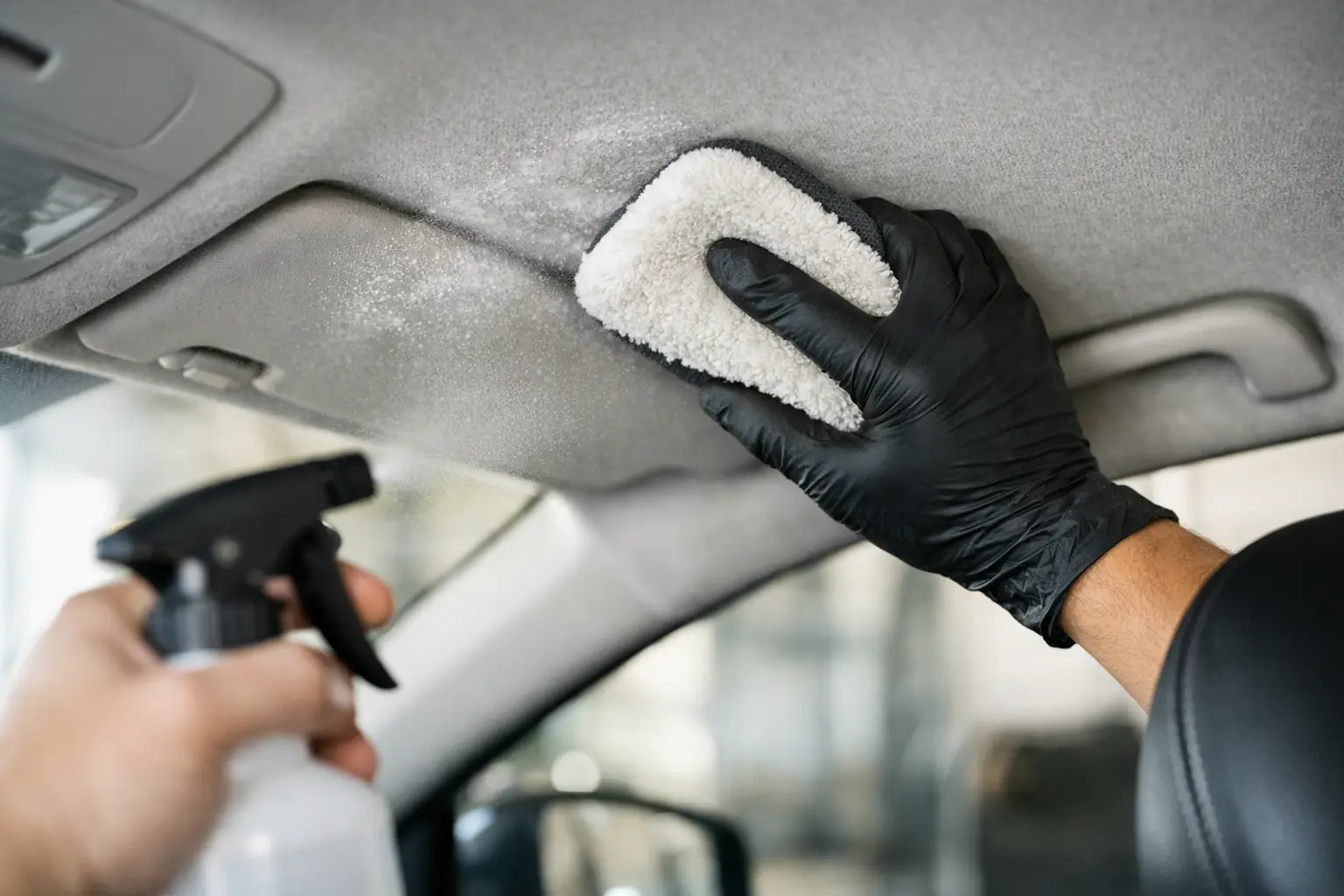
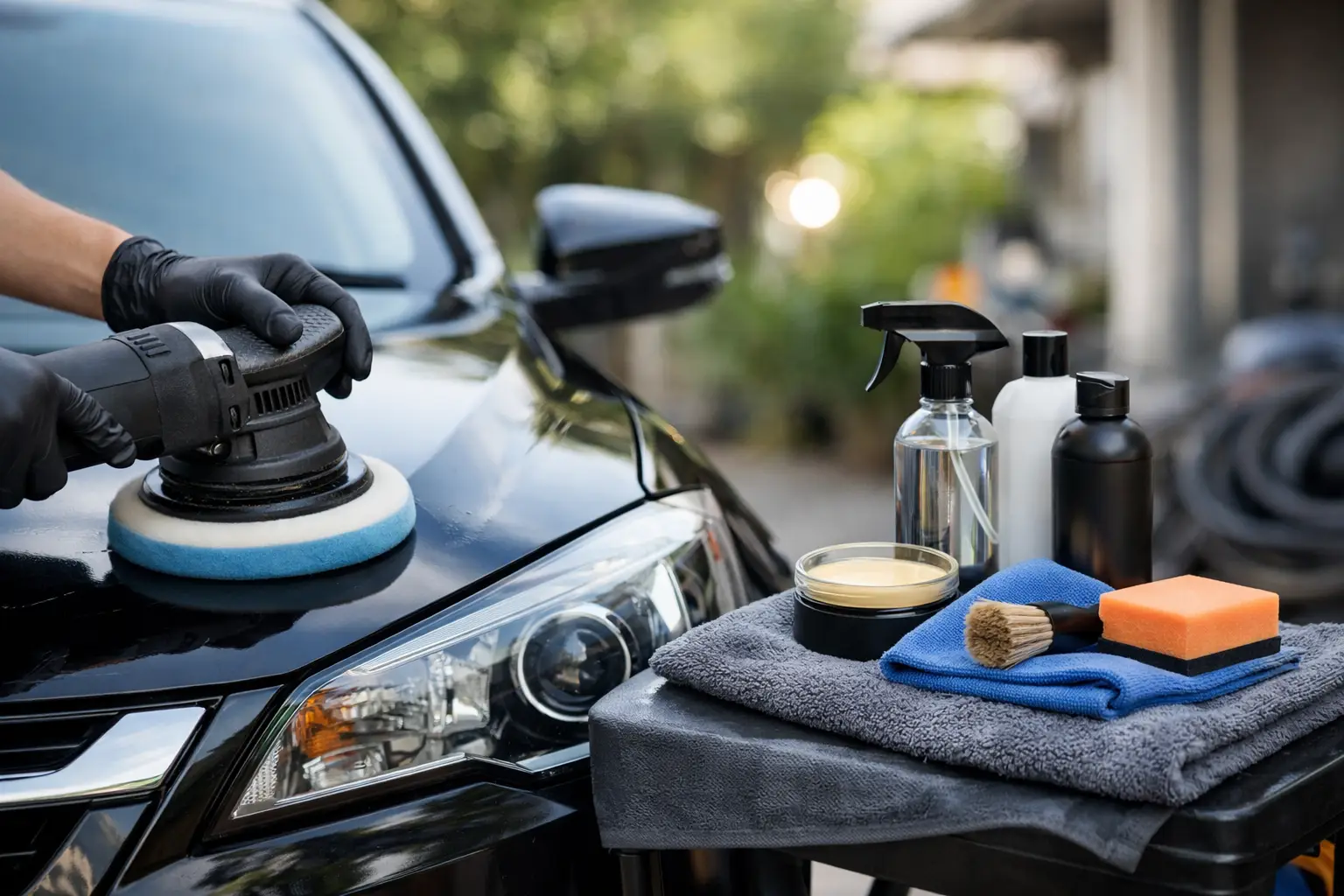
Another mistake is recording only oil changes. Tires, brakes, batteries, filters, fluids, detailing, and inspection findings all contribute to the condition of your vehicle. You do not need to document every car wash, but noting a deep interior clean, paint correction, or protective treatment can be worthwhile if appearance and resale value matter to you.
Also, avoid treating every recommended service as automatically necessary. Use your owner’s manual, your mileage, your driving conditions, and the condition of the vehicle to guide decisions. If a shop recommends a service, ask what problem it prevents, what interval the manufacturer lists, and whether there is evidence it is currently needed. Record the answer in your log.
A maintenance record is not about proving that you have done everything perfectly. It is about giving your future self a reliable starting point every time your car needs attention. Put the log somewhere you can reach after the next small job, and let that one entry begin the habit.