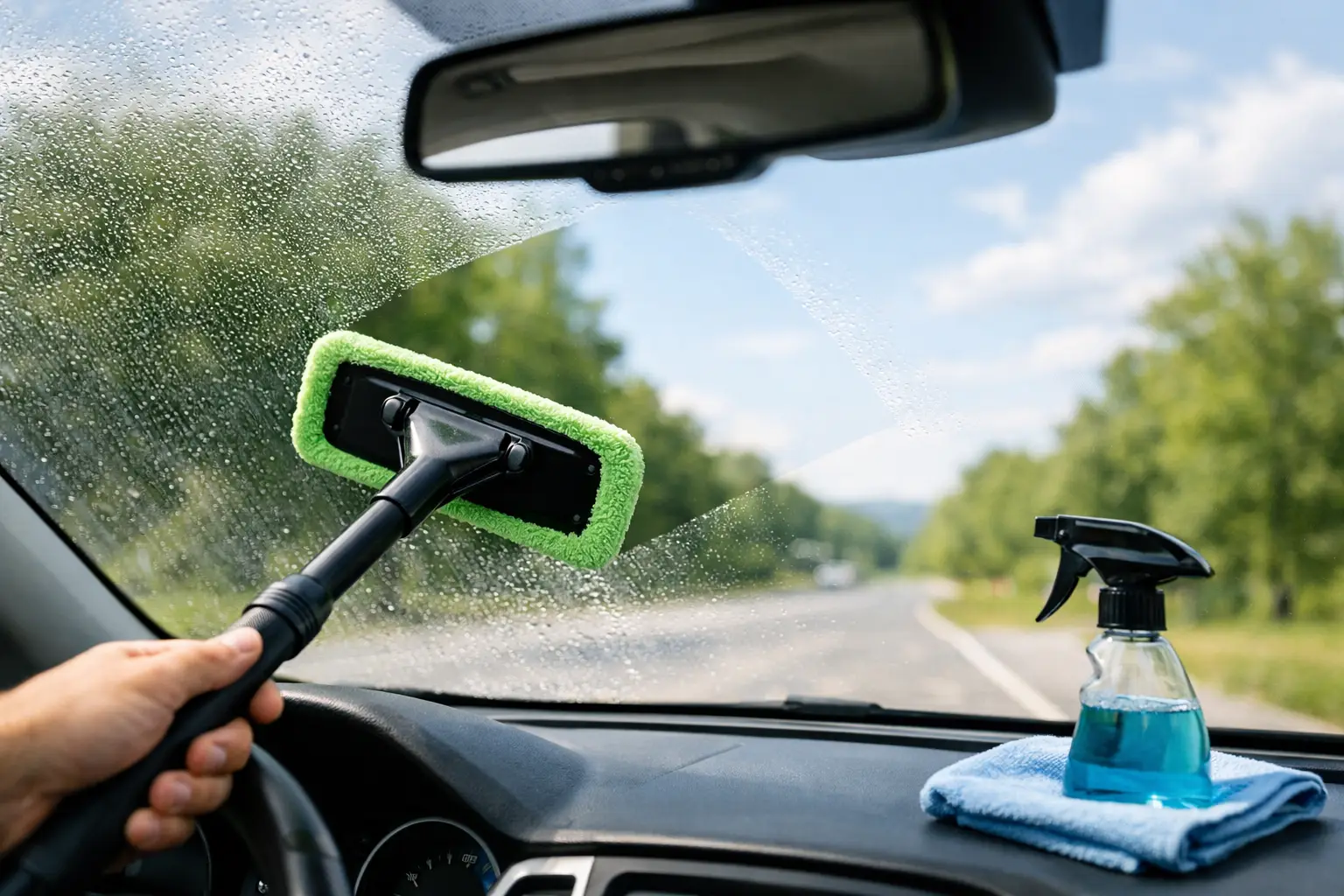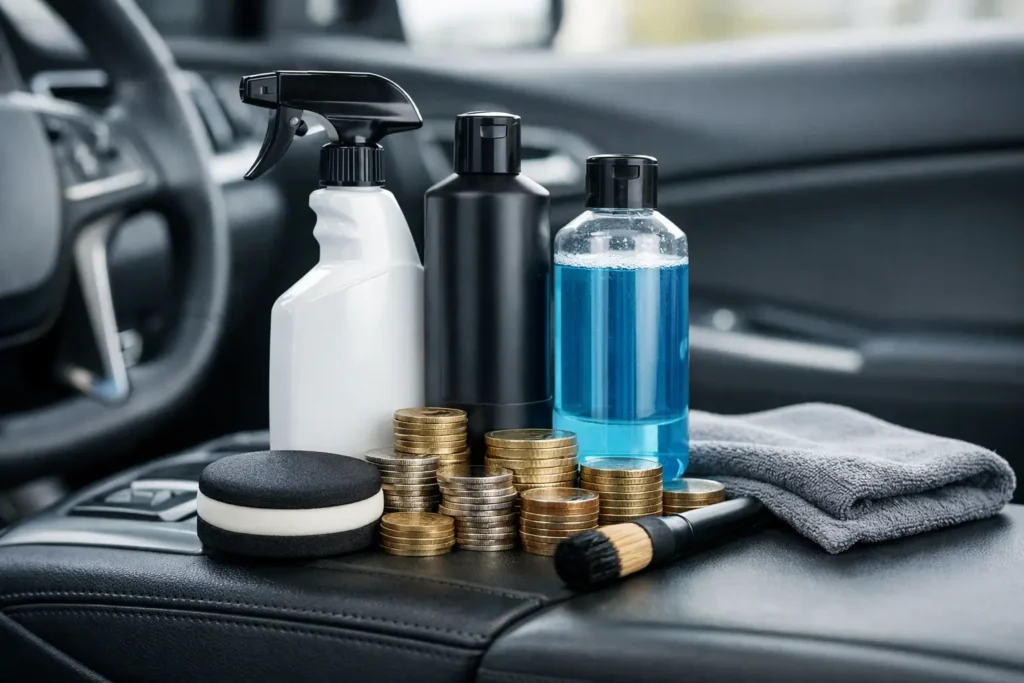

A $6 interior spray can make a dusty dashboard look better fast. But when coffee has dried into the upholstery, the carpets smell damp, or the steering wheel has a shiny layer of body oil, a cheap all-purpose cleaner may not be enough. Car interior cleaner price is less about finding the lowest number on the shelf and more about matching the product to the material and the mess.
For most drivers, a good interior-cleaning setup costs far less than a professional detail. The key is avoiding products that sound versatile but leave residue, discolor fabric, or fail to address the problem you actually have.
Typical Car Interior Cleaner Price Ranges
A basic interior cleaner usually costs $5 to $12. These products are commonly sold in trigger-spray bottles and designed for quick jobs on vinyl, plastic, rubber, and coated surfaces. They are a sensible choice for routine wipe-downs of the dash, door panels, center console, cup holders, and hard plastic trim.
Mid-range cleaners generally run $12 to $20. This category often includes better-performing all-purpose interior cleaners, dedicated upholstery sprays, leather cleaners, odor treatments, and products with lower-residue formulas. For an owner who cleans their vehicle monthly or has kids, pets, or a long commute, this is often the best value range.
Specialty products typically cost $15 to $30 or more. That includes leather care systems, enzyme-based stain and odor removers, fabric protectants, steam-cleaner solutions, and professional-strength carpet cleaners. They cost more because they are intended for a specific task, not because every interior needs them.
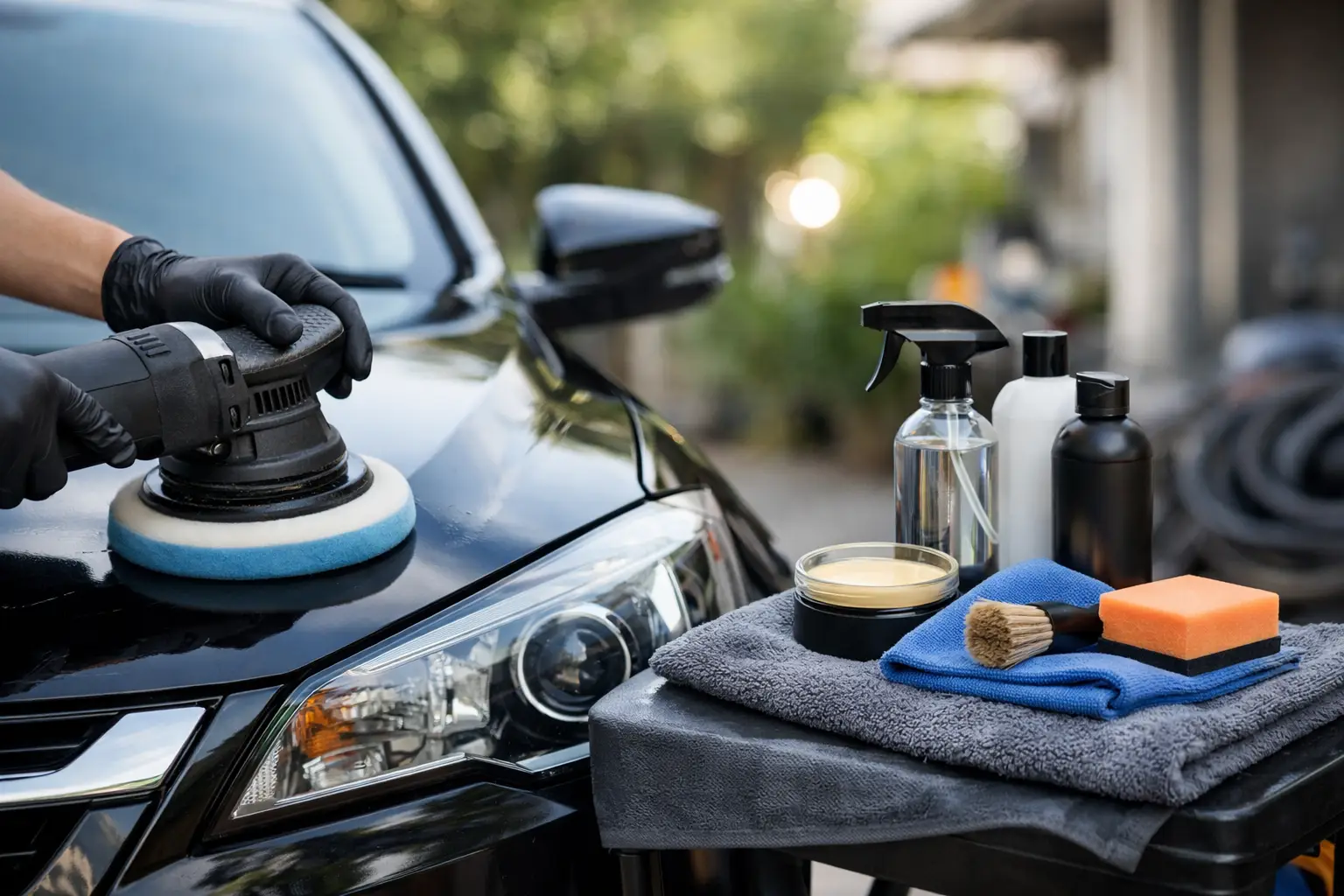
Complete interior detailing kits usually range from $25 to $60. A kit may include an interior cleaner, glass cleaner, upholstery cleaner, brushes, microfiber towels, and protectant. The package can save money if you need several of those items. If you already own towels and brushes, though, buying a kit can mean paying for duplicates that sit unused in the garage.
What Changes the Price?
The label alone does not explain why one bottle costs twice as much as another. Formula type, intended surface, bottle size, and included accessories all affect what you pay.
A general-purpose cleaner is usually the least expensive option because it is made to handle light grime across several hard surfaces. It is convenient, but it should not automatically be used on leather, suede-like materials, uncoated screens, or delicate trim. A dedicated cleaner may cost a few dollars more, yet it can be cheaper than replacing a stained seat panel or damaged display coating.
Concentrated formulas can look expensive at first. A 16-ounce bottle priced at $18 may be a better buy than a ready-to-use $10 spray if the concentrate makes several bottles of cleaning solution. Check the dilution instructions before comparing bottle prices. Concentrates make the most sense for households cleaning multiple vehicles or for owners who detail frequently.
Packaging also matters. A cleaner sold with a brush, applicator, or microfiber towel may cost more than the same cleaner alone. Those extras are helpful for a first-time buyer, but they are not always high quality. In many cases, a separate set of washable microfiber towels and one soft interior brush will serve you better over time.
Budget Cleaners: When They Make Sense
A budget cleaner is not automatically a bad cleaner. For regular maintenance, a simple, residue-free interior spray can handle fingerprints, dust, light spills, and everyday grime. If your vehicle is already in decent shape, this is usually all you need for plastics and vinyl.
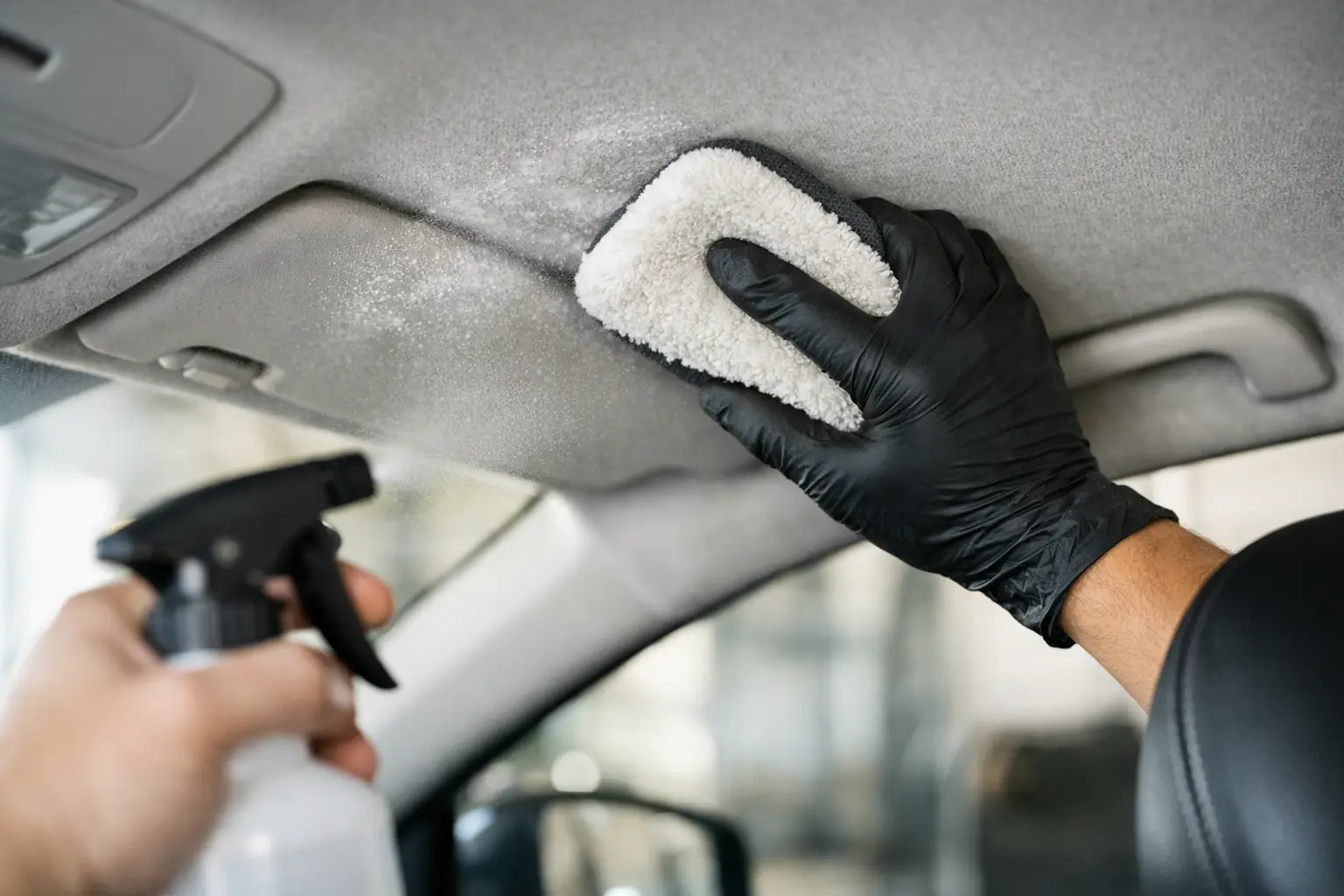
Look for clear guidance on approved surfaces and instructions that say whether the product should be sprayed directly onto a towel or onto the surface. Spraying a towel first gives you better control around buttons, vents, infotainment screens, and seams. It also helps prevent overspray from landing on glass.
The trade-off is that low-cost cleaners may have a stronger fragrance, less cleaning power on embedded dirt, or a shiny finish that attracts dust. A dashboard that looks glossy in the driveway can create windshield glare on a sunny commute. For most interiors, a natural or low-sheen finish is the safer choice.
When a Higher-Priced Cleaner Is Worth It
Spend more when the problem calls for a specific formula. Protein-based stains, pet accidents, smoke odor, dye transfer, salt residue, and neglected leather are not ideal jobs for a basic dashboard spray.
Enzyme cleaners are often worth the higher price for organic odor sources such as food spills, vomit, urine, or milk. They work by breaking down the material causing the odor rather than simply covering it with fragrance. Results can depend on how deeply the spill reached the carpet padding, so even a good product may require more than one treatment.
A dedicated leather cleaner and conditioner can be a smart purchase if your vehicle has genuine leather seating. Use it sparingly and follow the manufacturer directions. Too much conditioner can leave seats slick, while harsh all-purpose cleaners can dry or dull the finish. Keep in mind that many modern vehicles use synthetic leather or coated leather, which may need a different approach than older, untreated leather.
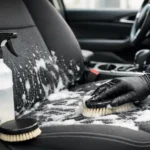
For fabric seats and carpet, a quality upholstery cleaner can save a great deal compared with professional extraction. Still, do not soak the material. Excess liquid can leave water rings, extend drying time, and contribute to mildew odors. Work in small sections, blot rather than scrub aggressively, and allow the interior to dry with doors open when possible.
Compare Cost Per Use, Not Just Bottle Price
The best car interior cleaner price is often the one with the lowest cost per cleaning session. A $14 bottle that lasts through 10 thorough cleanings is a better value than an $8 bottle that barely covers three jobs.
Think about your car and your cleaning habits. A commuter with a clean sedan may use only a few ounces each month. A family SUV with cloth seats, snack spills, and muddy shoes may go through cleaner much faster. For the first driver, a small ready-to-use bottle prevents waste. For the second, a larger bottle or concentrate may be more economical.
Also factor in what the cleaner helps you avoid. Regularly removing sunscreen, skin oils, salt, and food residue can reduce premature wear on steering wheels, armrests, and seat materials. Keeping the interior presentable also supports resale value when it is time to trade in or sell privately.
Build a Sensible Cleaning Kit Without Overspending
Most car owners do not need a shelf full of bottles. Start with one interior cleaner approved for plastic, vinyl, and rubber; a separate fabric or carpet cleaner if you have cloth seating; and a leather-safe product only if your seating material calls for it. Add a glass cleaner, several microfiber towels, and a soft brush, and you can handle nearly every routine job.
Avoid buying a product because it promises to clean every surface in the vehicle. No single chemical is equally suited to carpet fibers, leather, clear plastic gauge covers, touchscreens, and glass. Always check your owner’s manual for material-specific care advice, especially for screens and leather-trimmed interiors.
Do not confuse interior protectant with cleaner, either. Protectants are designed to restore appearance or provide UV resistance after cleaning. They can be useful on trim, but they do not remove dirt. A product that leaves a slippery coating on pedals, steering wheels, or seat surfaces should never be used there.
How Often Should You Clean the Interior?
A quick wipe-down every two to four weeks keeps routine cleaning inexpensive. Vacuuming regularly prevents grit from grinding into carpet and seat fabric, which means you will need less aggressive chemistry later. Deal with spills as soon as practical, especially on cloth, because fresh stains are much easier to remove.
A deeper interior clean every three to six months is enough for many vehicles. Drivers with pets, children, rideshare passengers, or muddy work conditions may need to do it more often. In those cases, spending a little more on the right cleaner and reusable tools is usually more practical than repeatedly paying for emergency detailing.
Buy for the mess in front of you, not for the most dramatic claim on the bottle. A modest cleaner used consistently, with the right towel and a few extra minutes of care, will keep your cabin more comfortable and protect the vehicle you depend on every day.