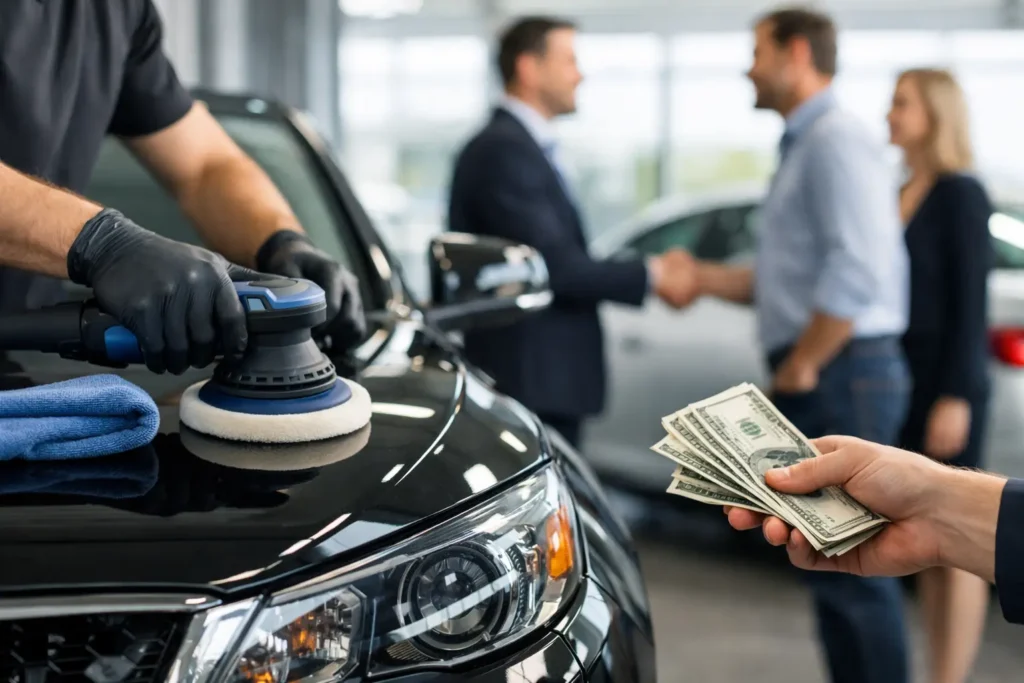

A buyer can forgive a few miles on the odometer more easily than a cabin that smells like old food or a paint finish that looks neglected. So, does detailing increase resale? Usually, yes – but it is not a magic way to turn a $10,000 car into a $13,000 car. Detailing helps a vehicle present its true condition, reduces buyer objections, and can support a stronger asking price when the underlying car has been maintained.
For most owners, the biggest payoff is not a dramatic jump in book value. It is selling faster, attracting better-qualified buyers, and avoiding the low offers that often follow a bad first impression. The right level of detailing depends on your vehicle’s age, condition, price range, and how you plan to sell it.
How Detailing Can Increase Resale Value
Used-car buyers make quick judgments. Before they read maintenance records or inspect the tires, they notice the smell, the touchpoints, the paint, and the overall feeling of care. A clean vehicle suggests that its owner likely stayed on top of other routine needs, even if that is not always true.
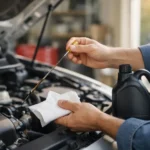
Detailing improves the parts of the car buyers see and touch first. Clean glass improves visibility. Fresh-looking upholstery makes the interior feel newer. A properly cleaned engine bay can make a vehicle look cared for, though it should never be soaked or dressed to the point that it appears suspiciously artificial. Removing surface grime from wheels, door jambs, cup holders, and cargo areas also makes an ordinary car feel less used.
The value is partly financial and partly psychological. If two similar vehicles are listed at similar prices, the one with clean paint, clear headlights, and a neutral-smelling interior is more likely to get the first call. That gives the seller more leverage and less pressure to accept a discount.
Detail Work Does Not Fix Mechanical Problems
A detailed car with a check-engine light, worn tires, slipping transmission, or visible accident damage still has those problems. Buyers, dealers, and trade-in appraisers will account for them. Detailing is presentation and preservation, not a substitute for repairs or documented maintenance.
That distinction matters when deciding where to spend your last few hundred dollars before selling. Address safety issues, warning lights, and obvious mechanical defects first. After that, detailing is often one of the most cost-effective ways to improve how the car is received.
Does Detailing Increase Resale More for Private Sales?
Detailing tends to matter most in a private-party sale. Private buyers are shopping with their own money, often comparing several cars in the same price range. They want proof that a vehicle has been treated well, and cleanliness provides visible proof from the moment they arrive.
A dealer trade-in is different. Appraisers primarily use wholesale market data, condition reports, reconditioning costs, and their expected profit margin. A clean car can still help because it makes condition easier to assess and may reduce their anticipated cleanup expense. But a dealer generally will not pay retail-level extra money simply because you shampooed the seats.
If you are trading in, do a thorough but sensible cleanup: remove personal items, wash the exterior, vacuum the cabin, clean the glass, and deal with odors. Save expensive paint correction or specialty coatings for a private sale or for a vehicle valuable enough to justify the work.
The Detail Steps That Usually Pay Off
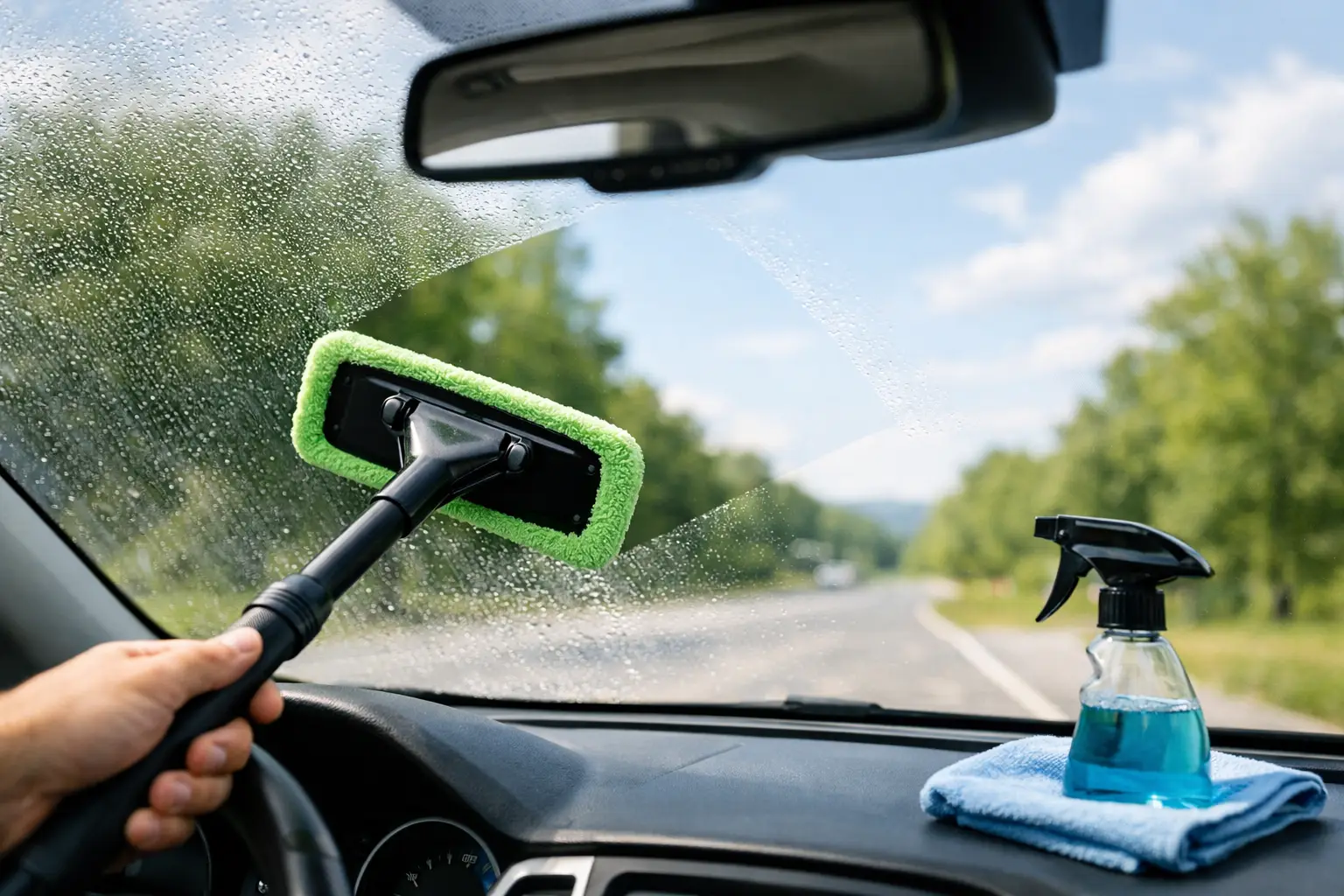
The best resale prep targets visible neglect. Start with a complete wash that includes the wheels, tires, wheel wells, door jambs, and exterior glass. A clean set of wheels can improve a car’s appearance far more than many owners expect, especially on a daily driver with accumulated brake dust.
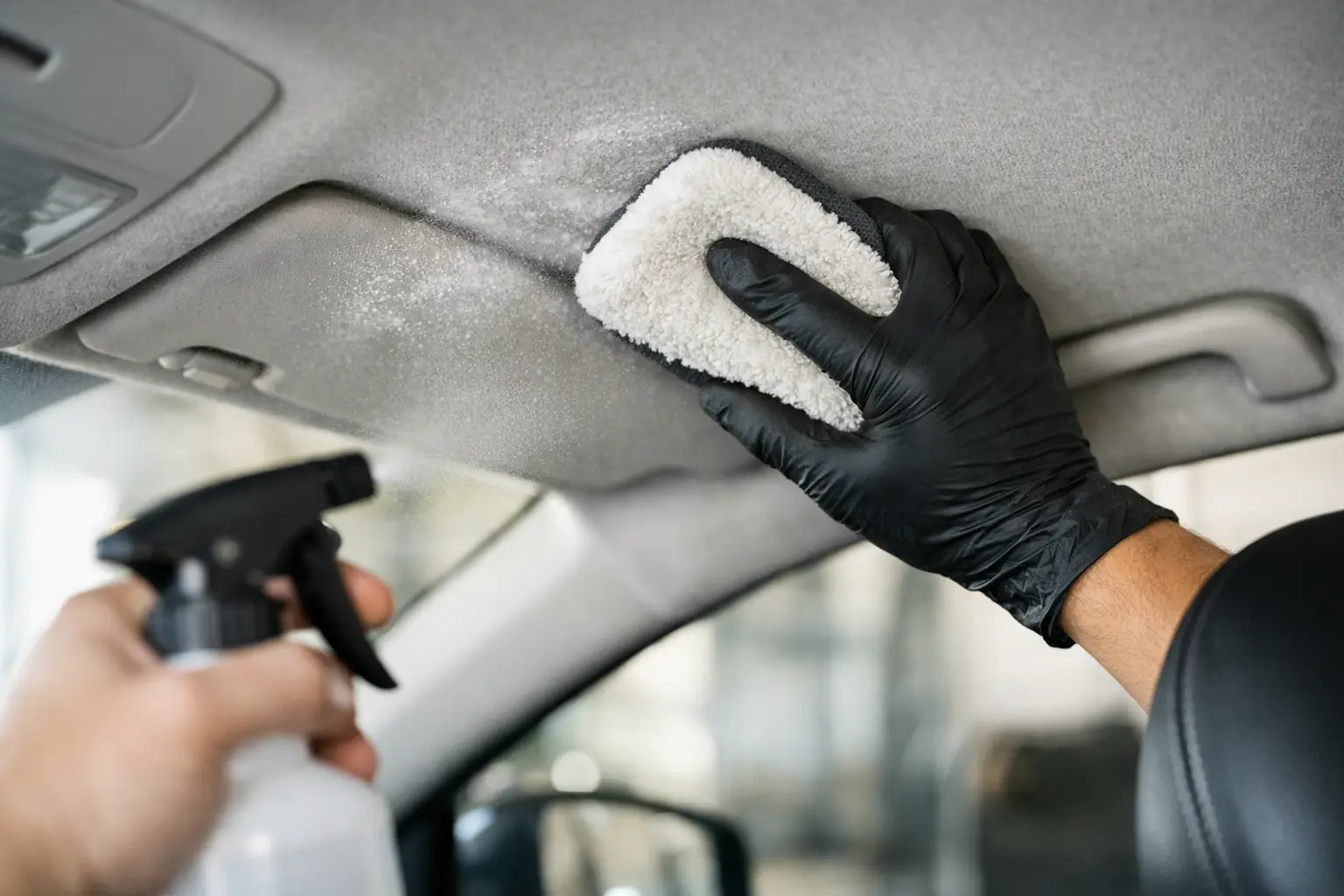
Inside, vacuum thoroughly under the seats and in the cargo area. Wipe down the dash, console, door panels, steering wheel, shifter, and cup holders using products appropriate for the material. The goal is clean and natural, not shiny. Greasy dressing on the steering wheel or heavily scented products can make buyers wonder what you are trying to hide.
Odor removal is one of the highest-value jobs before resale. Lingering smoke, pet, mildew, or food smells can eliminate buyers before a test drive. Remove the source first, whether that is old trash, damp carpet, pet hair, or a dirty cabin air filter. Shampooing or extracting fabric may help, but the interior must dry completely. A damp car can develop a musty smell that is harder to explain than the original mess.
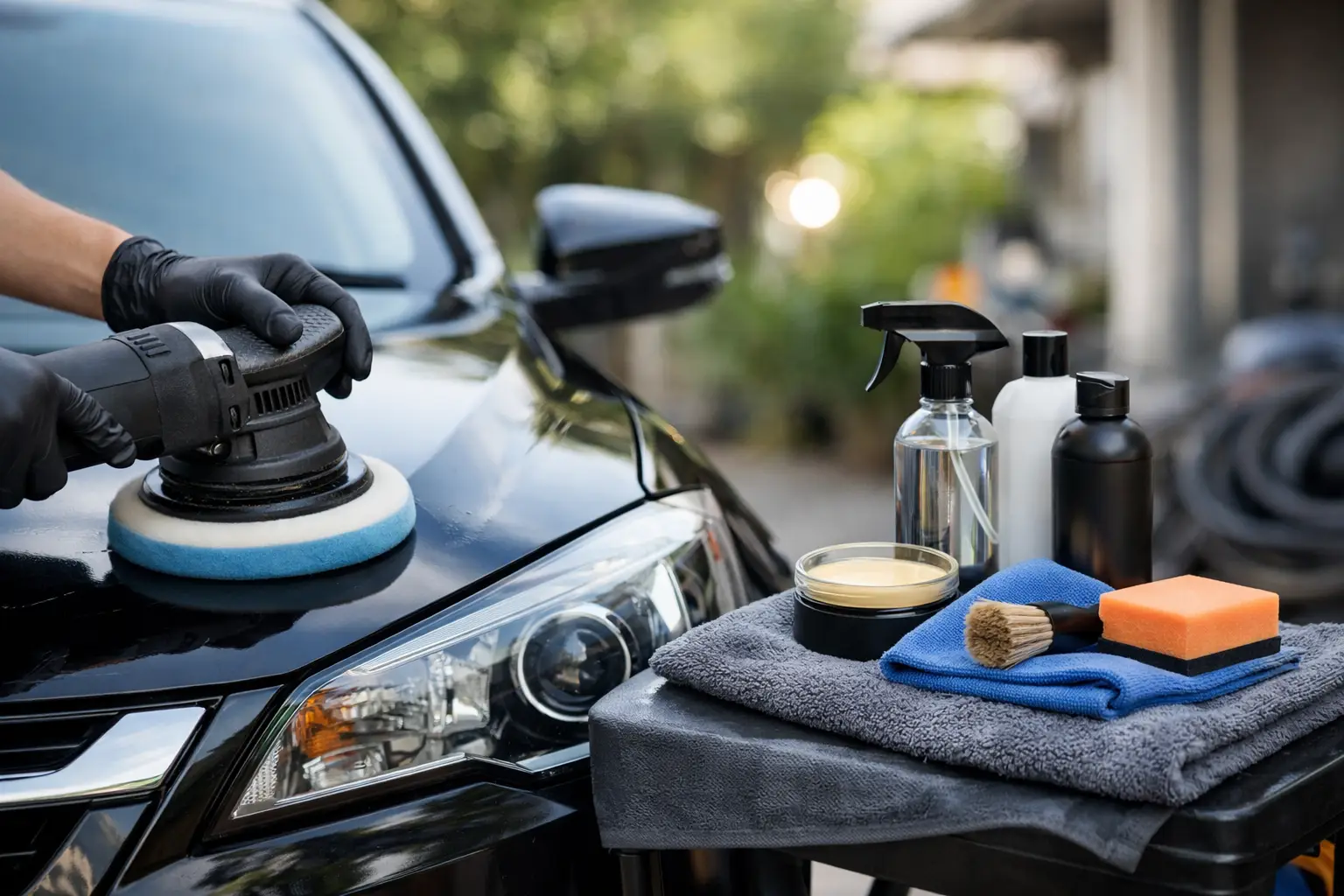
Light paint decontamination, followed by a polish or one-step correction, can improve gloss and reduce minor swirl marks. This is worthwhile when the paint is otherwise in good condition and the vehicle will be photographed or shown in daylight. If you are new to machine polishing, practice caution. Aggressive compounds and poor technique can create more work, especially around edges and body lines.
Headlight restoration is another practical upgrade if the lenses are yellowed or hazy. Clear headlights make the front end look younger and improve nighttime visibility. Use a restoration method that includes UV protection, since quick polishing alone may leave the lenses looking cloudy again within months.
When Professional Detailing Is Worth the Cost
Professional detailing is not always necessary, but it can make sense for vehicles with severe interior staining, pet hair, smoke odor, heavy paint contamination, or neglected upholstery. It is also a reasonable choice when you are selling a newer, higher-value vehicle and your own time is limited.
Ask for a service that matches the problem. A basic wash-and-vacuum package will not remove deep stains or correct paint defects, while a full paint correction may be excessive for a 12-year-old commuter car. Be clear about the vehicle’s condition and your goal: preparing it for sale, not creating a show car.
For a budget-friendly DIY approach, put your effort into the cabin first. Buyers spend the test drive sitting inside, touching the controls, and noticing smells. A clean interior can have more influence on a sale than an expensive wax applied over dirty carpets and stained seats.
Avoid Spending More Than You Can Recover
The return on detailing falls as the cost rises. A $100 to $250 DIY cleanup or basic professional detail can be easy to justify if it helps you hold firm on price or makes the car sell sooner. Spending $1,000 on extensive paint correction, ceramic coating, or cosmetic upgrades is harder to recover unless you are selling a specialty, luxury, or enthusiast vehicle.
Ceramic coatings are a good example. They can protect paint and make maintenance easier when applied well, but a buyer may not assign much additional value to a fresh coating on an average used vehicle. The same goes for expensive interior protectants, premium dressings, and appearance add-ons that do not solve a visible problem.
Be especially careful with touch-up paint and DIY scratch repair. Small chips may look better after careful work, but poorly matched touch-up paint can draw more attention than the original damage. If the vehicle has widespread peeling clear coat, deep dents, rust, or major paint damage, get an estimate before assuming cosmetic work will pay for itself.
Prepare the Car for Photos and Test Drives
A detail is most valuable when buyers can see it. Take photos after washing the vehicle, ideally in open shade or soft daylight. Photograph the front, rear, both sides, wheels, interior seating, dash with the engine off, cargo area, and any included accessories. Honest photos of minor flaws save time and build trust.
Before a showing, remove personal documents, spare change, parking passes, and anything from the glove box that reveals private information. Keep the title and service records secure until you are ready to complete a sale. Leave the car smelling neutral, and avoid air fresheners that overpower the cabin.
A clean car also makes your maintenance records more persuasive. When a buyer sees clean fluids, tidy surfaces, usable tires, and a folder of receipts, the story of responsible ownership feels consistent. That is often more valuable than any single detailing product.
A Better Way to Think About Resale Prep
Detailing does not create value from nothing. It protects the value that dirt, odors, stains, and visible neglect can quietly take away. It also makes a buyer more comfortable paying a fair price for a vehicle they may own for years.
Start with the issues that would make you hesitate if you were shopping for the same car. Clean those well, correct the affordable flaws, document the maintenance, and price the vehicle honestly. That combination gives your car its best chance to stand out for the right reasons.