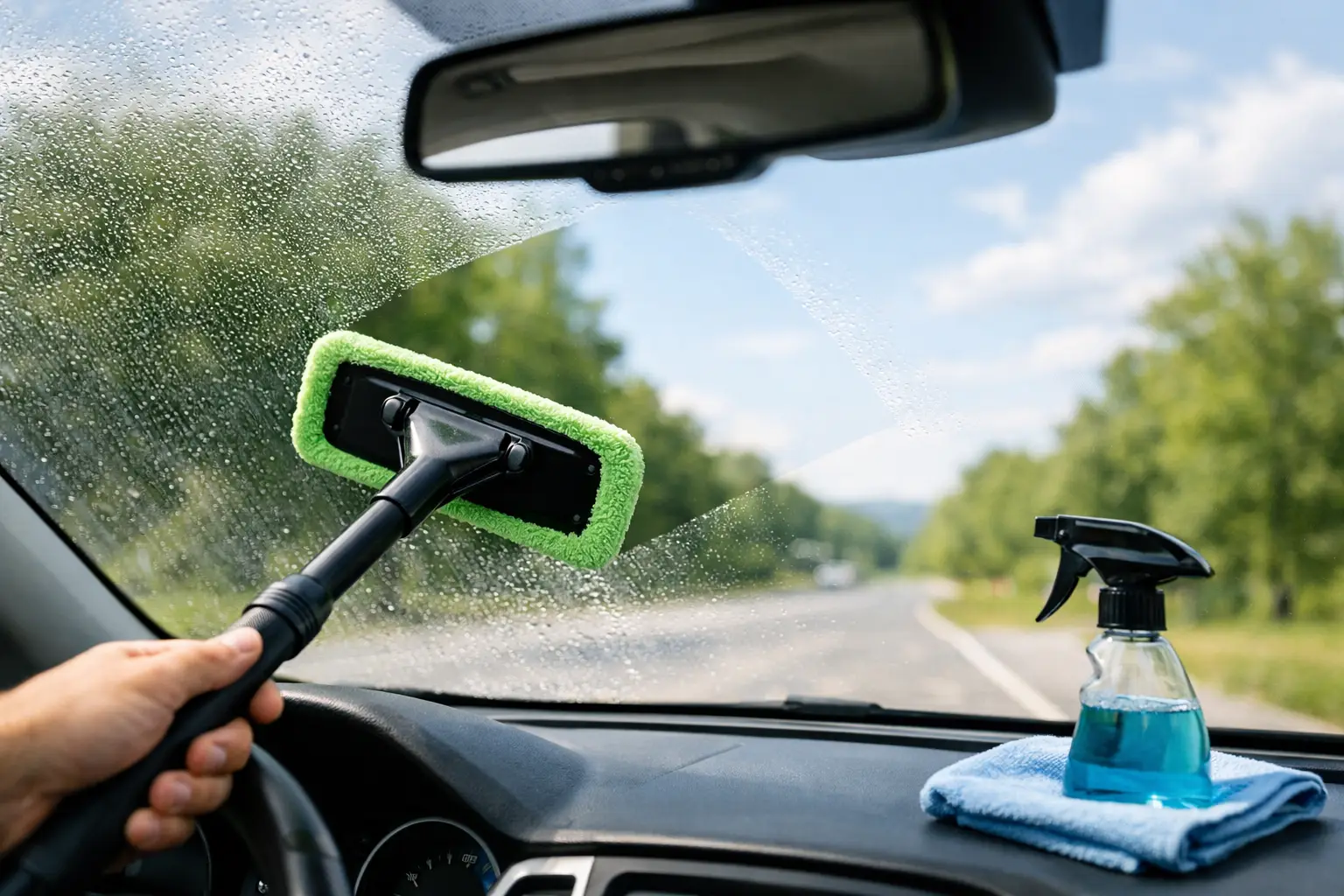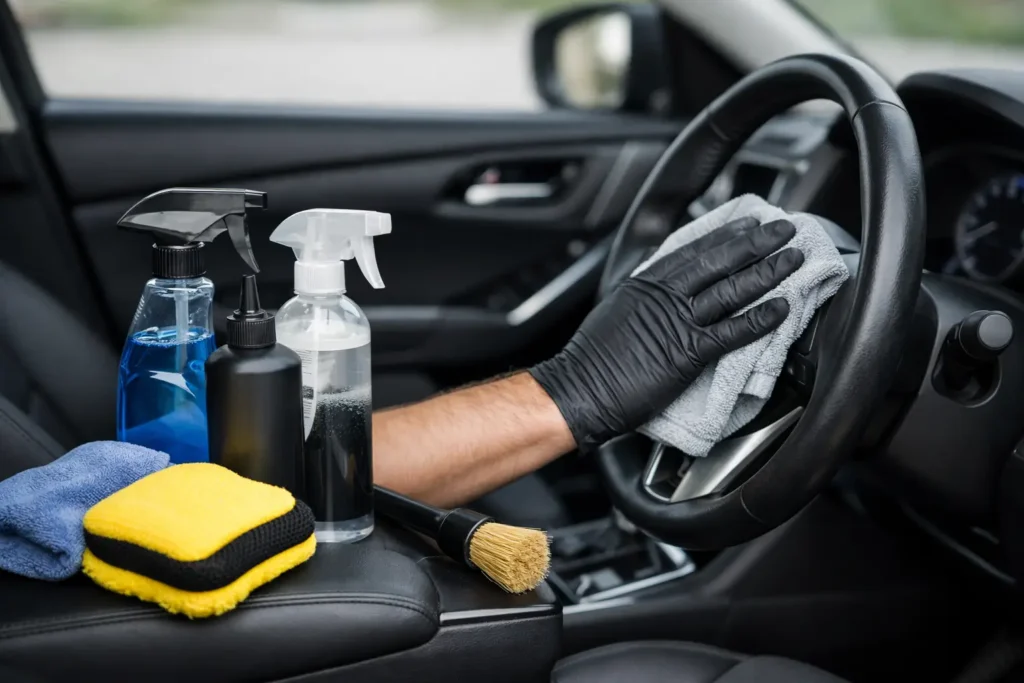

A spilled coffee, dusty dashboard, and grimy steering wheel do not call for the same bottle. That is the problem with many car interior cleaner review pages: they name a winner without explaining where that cleaner works best, where it can leave residue, and which surfaces need a gentler approach. For most drivers, the best product is the one that cleans the actual mess without changing how the interior looks or feels.
A useful interior cleaner should remove body oils, light food spills, dust, and everyday grime while remaining safe for the mix of materials inside a modern vehicle. That can include textured plastic, vinyl, leather, fabric, rubber, touchscreens, piano-black trim, and coated displays. One aggressive all-purpose cleaner can be helpful, but it is not automatically the best choice for all of them.
Car Interior Cleaner Review: What Matters Most
The label matters less than three practical questions: How dirty is the surface? What material are you cleaning? And do you want a natural factory finish or added shine and protection?
For regular upkeep, a dedicated interior detailer is usually the safest option. These cleaners are designed for light soil and commonly used hard surfaces, and they tend to wipe away without a greasy feel. They are a good fit for weekly or monthly cleaning of dashboards, door panels, consoles, and steering wheels.
For neglected cup holders, heavily handled door pulls, and textured plastic, a stronger interior cleaner or diluted all-purpose cleaner can do more work. The trade-off is that strong cleaners may leave a dull patch, discolor delicate trim, or dry out leather if they are used too often or left sitting too long. Use them selectively, not as a default for the whole cabin.
Protectant-style cleaners are another category. They clean lightly while leaving UV protection or a dressed appearance behind. Some drivers like the richer finish, especially on faded plastic. Others find it too shiny or slick. On a steering wheel, shifter, pedals, or touch controls, a non-slick finish is the safer choice.
The Best Cleaner Type for Common Interior Jobs
Everyday dust and fingerprints
A ready-to-use interior detailer is the easy choice for a reasonably clean vehicle. Products such as Meguiar’s Quik Interior Detailer and Griot’s Garage Interior Cleaner are built for routine wipe-downs and typically leave a clean, low-gloss finish. They make sense for commuters, families, and anyone who wants to keep dirt from becoming a deeper cleaning project.
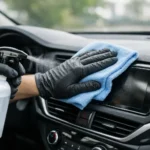
Spray the microfiber towel instead of spraying directly onto the dashboard or console. This gives you better control near screens, seams, buttons, and vents. It also prevents cleaner from running into electronic controls.
Grime on plastic, vinyl, and rubber
For high-touch areas, an interior cleaner with stronger cleaning ability is worth considering. P&S Xpress Interior Cleaner is a popular example because it can be diluted for lighter work or mixed stronger for more stubborn grime. That flexibility can save money if you clean more than one vehicle, but dilution adds a step and leaves more room for user error.
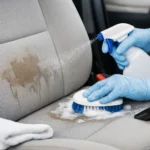
Use a soft detailing brush for textured door panels, cup holders, and rubber floor mats. Agitate gently, then wipe the loosened dirt with a clean microfiber towel. The brush should move the cleaner into the texture, not scrub hard enough to scuff it.
Leather seating and trim
Leather needs a more careful approach than plastic. Most modern automotive leather has a protective coating, so mild cleaning is often more useful than heavy conditioning. A dedicated leather cleaner is preferable when the seats are noticeably soiled, while a gentle interior cleaner may be fine for light maintenance if its label specifically says it is safe for leather.
Avoid soaking perforated leather or spraying cleaner into stitching. Apply product to a towel or soft brush, clean a small area, and immediately dry it with another towel. If the leather looks shiny after cleaning, you may be seeing residue rather than a healthier finish.
Fabric seats and carpet spots
An interior detailer is not a stain remover. For cloth upholstery, carpet, and headliners, use an upholstery cleaner made for fabric. Blot spills quickly, work from the outside of the stain toward the center, and avoid oversaturating the material. Too much liquid can leave water rings, create lingering odors, or soak into the seat padding.
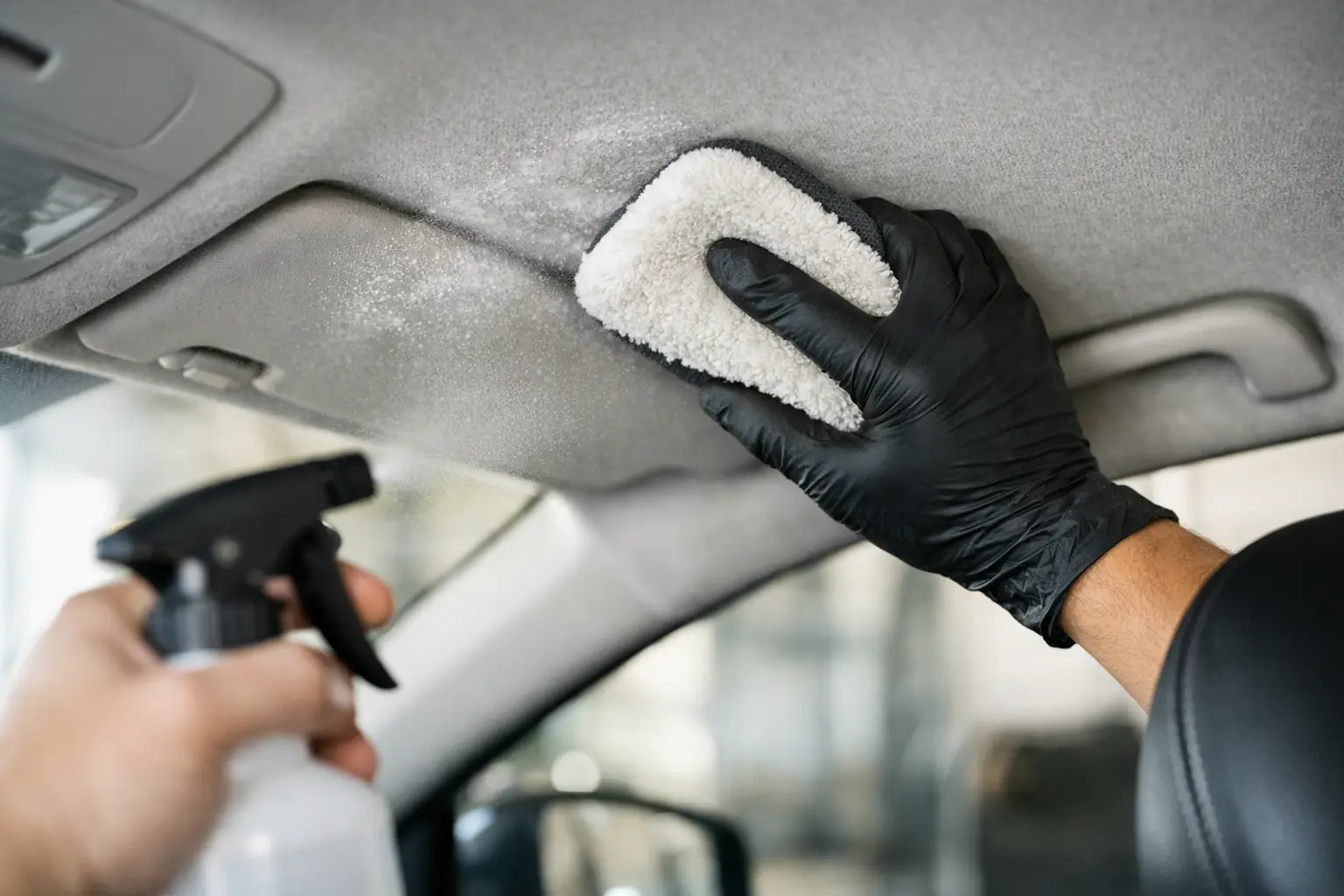
Headliners deserve special caution. Their fabric is bonded to a backing with adhesive, and aggressive scrubbing can cause sagging. Use minimal product on a towel, blot rather than scrub, and let the area dry naturally.
Screens, gauges, and glossy trim
Electronic displays and piano-black trim are easy to scratch and easy to streak. A clean, soft microfiber towel slightly dampened with a screen-safe cleaner is usually enough. Do not use paper towels, abrasive pads, ammonia-based glass cleaner, or heavy protectants on displays unless the vehicle manufacturer specifically allows them.
How Popular Interior Cleaner Styles Compare
A spray detailer is the best all-around choice for most drivers because it is fast, simple, and low risk. Its weakness is that it may not cut through years of built-up grime. A concentrated cleaner offers better value and stronger cleaning potential, but it requires correct dilution and more careful testing.
Cleaner-protectant combinations are convenient for dashboards and door panels that need UV protection. Their drawback is finish preference. A matte, factory-style cabin may look worse with a glossy formula, even if it is technically clean. For vehicles with large windshields and strong sun exposure, a low-sheen protectant can be a sensible addition after cleaning.
Dedicated fabric and leather cleaners cost more than relying on one multi-surface product, but they reduce the risk of damaging materials that respond poorly to stronger chemicals. If your vehicle has leather seats, cloth inserts, or a suede-like material such as Alcantara, separate products are usually worth the small extra effort.
A Simple Way to Test Any Cleaner
Before cleaning the full interior, test the product in a hidden section of the lower door panel or under a seat edge. Check for color transfer, staining, haziness, or an unwanted change in sheen after the surface dries. This takes a few minutes and can prevent a frustrating mistake on visible trim.
Then use the least aggressive method first. Start with a microfiber towel and a gentle cleaner. Move to a soft brush only when texture is holding dirt. Step up to a stronger formula only when the mild cleaner cannot do the job. This approach protects interior coatings and keeps you from using more chemical strength than necessary.
Microfiber care matters as much as cleaner selection. Keep separate towels for glass, screens, leather, and dirty plastic. A towel that picked up grit from a cup holder can scratch a glossy center console on the next wipe. Fold towels into quarters so you can switch to a clean side as dirt transfers.
Mistakes That Make a Clean Interior Look Worse
The most common mistake is using too much product. Excess cleaner creates streaks, leaves a tacky surface that attracts dust, and can settle into switch gaps. Two light passes with a towel are better than flooding a panel.
Another mistake is treating every shiny surface as plastic. Gauge lenses, infotainment screens, clear trim, and glossy accents often need gentler products and a lighter touch. A product that works well on a textured dashboard may be a poor choice for a display.
Finally, do not confuse fragrance with cleanliness. A heavily scented cleaner can mask odors briefly, but it will not remove the source of pet smells, smoke, spilled drinks, or mildew. Those problems may require vacuuming, fabric treatment, or targeted odor control after the surfaces are clean.
The right bottle should make regular care easier, not turn a Saturday afternoon into a chemistry experiment. Choose a gentle interior detailer for routine cleaning, keep a stronger cleaner for stubborn grime, and match specialty products to leather or fabric when needed. Your cabin will stay more comfortable, look closer to its original condition, and be easier to maintain the next time life leaves a mess behind.