
That sharp squeak at the first stop sign can make any driver wonder whether a repair bill is coming. The answer to why brakes squeal is not always serious, but the sound should never be ignored for long. Your brakes are a safety system, and the timing, volume, and pattern of the noise can offer useful clues about what needs attention.
Why Brakes Squeal in the First Place
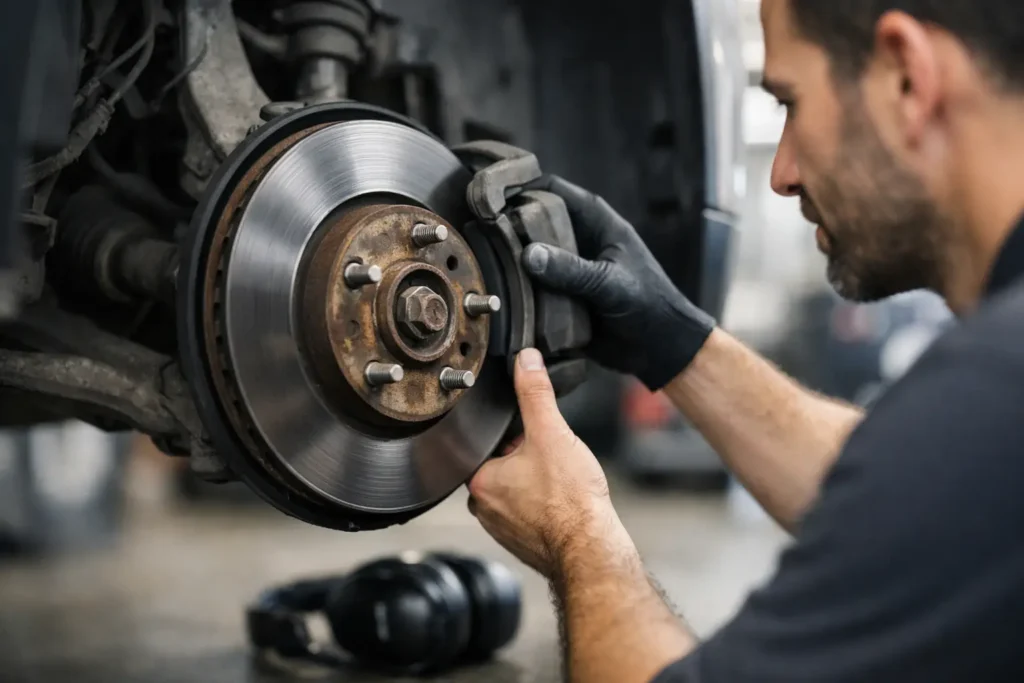
Disc brakes slow your vehicle by pressing brake pads against spinning metal rotors. That contact creates heat, friction, and sometimes vibration. When the vibration reaches a frequency your ears can hear, it becomes a squeal, squeak, or high-pitched chirp.
A little brake noise can be normal, especially when the vehicle is cold, wet, or parked outside overnight. But repeated squealing can also point to worn pads, glazed brake surfaces, stuck hardware, or a problem with the rotor. The goal is to separate a temporary annoyance from a sound that deserves prompt service.
Brake noise is not a perfect diagnostic tool on its own. Two cars can make a similar sound for very different reasons. Still, paying attention to when the noise happens gives you and your mechanic a much better starting point.
When the Squeal Happens Matters
A brief squeal during the first few stops of the day is often caused by a light layer of surface rust or moisture on the rotors. Overnight rain, humidity, dew, and even a car wash can leave a thin film on bare metal. It usually clears after a few normal, controlled stops.
A squeal that appears only during gentle braking may be related to pad vibration or the pad material itself. Many modern pads, especially harder semi-metallic compounds, can be noisier than softer organic pads. They may offer good durability and braking performance, but noise can be the trade-off.
If the brakes squeal constantly while driving, even when you are not pressing the pedal, a pad may be dragging against the rotor. That can happen when a caliper slide pin sticks, brake hardware binds, or a dust shield rubs the rotor. This deserves a closer look because dragging brakes create excess heat and wear.
A high-pitched squeal that starts every time you brake may be a built-in wear indicator. Many brake pads have a small metal tab designed to contact the rotor when the pad material becomes thin. It is meant to get your attention before the pads wear down to the backing plate.
Common Reasons Brakes Make Noise
Several issues can cause squealing brakes, and some are far more urgent than others.
- Moisture or surface rust: Usually shows up after rain, a wash, or an overnight temperature change. The sound should fade within a few stops. If it does not, look for another cause.
- Worn brake pads: Pads that are near the end of their service life can trigger their wear indicators. Do not wait for the sound to turn into grinding, which may mean metal is contacting the rotor.
- Glazed pads or rotors: Repeated hard braking, towing heavy loads, or riding the brakes downhill can overheat the surfaces. The pad material may become smooth and hardened, reducing its ability to grip quietly.
- Missing or worn brake hardware: Clips, shims, and anti-rattle components help keep pads positioned correctly. When they corrode, bend, or are left out during a previous repair, the pads can vibrate and squeal.
- Contamination: Oil, grease, brake fluid, or some cleaning products can contaminate the pad surface. Contaminated pads may squeal, pull to one side, or provide inconsistent braking.
- Sticking calipers or slide pins: A brake caliper needs to release after you lift off the pedal. If it sticks, one pad may remain in contact with the rotor, causing noise, heat, uneven pad wear, and sometimes a burning smell.
- Low-quality or mismatched parts: Not every pad compound works equally well on every vehicle. Budget pads may be acceptable for some drivers, but fit, material quality, shims, and proper installation all affect noise.
How to Check Squealing Brakes Safely
Start with observation, not disassembly. Think about when the sound began, whether it occurs on every stop, and whether rain or cold weather affects it. Notice any changes in brake pedal feel, steering, or stopping distance.
With the vehicle parked and cool, look through the wheel openings if you can see the brake caliper and pad. Some wheels provide a clear view of the outer pad, although this does not show the inner pad, which can wear differently. A pad that looks extremely thin, uneven, or cracked needs professional inspection.
After a normal drive, carefully hold your hand near each wheel without touching it. One wheel that feels much hotter than the others may indicate a dragging brake. Do not touch the rotor, wheel, or caliper directly. Brake components can become hot enough to burn skin.
You can also look for warning signs around the wheel: dark brake dust that is unusually heavy on one wheel, a sharp burning odor, fluid leaks, or a vehicle that pulls left or right during braking. These symptoms move the issue beyond a simple noise concern.
What You Can Do Yourself
If the squeal is brief and clearly follows wet weather, drive normally and see whether it disappears after several smooth stops. Avoid aggressive braking just to remove rust or noise. The brakes should clean themselves during regular use.
If you recently had brake work done and squealing began afterward, contact the shop that performed the repair. They may need to inspect pad fitment, shims, clips, rotor condition, or lubrication on the non-friction contact points. Brake lubricant belongs only where the manufacturer specifies it, such as certain pad ears, backing plates, and slide pins. It must never get on the pad friction material or rotor surface.
For experienced DIY owners, a proper brake inspection can include measuring pad thickness, checking rotor condition, cleaning corrosion from pad contact points, and replacing damaged hardware. This is not a job to rush. Use jack stands on a solid surface, follow the vehicle service information, and torque wheel lug nuts to specification.
Do not try to fix a brake squeal by spraying lubricant through the wheel or coating the rotor. That can contaminate braking surfaces and reduce stopping power. Likewise, do not sand, grease, or reuse questionable pads if they are worn down, soaked with fluid, or unevenly damaged.
When to Schedule Brake Service Right Away
Squealing alone may not be an emergency, but it becomes urgent when it comes with other symptoms. Schedule an inspection promptly if you hear grinding, feel pedal pulsation, notice a soft pedal, smell burning, see a brake warning light, or feel the vehicle pull when braking.
Grinding is especially serious. It can mean the pad material is gone and the metal backing plate is cutting into the rotor. Replacing pads early is usually straightforward; waiting until the rotors are damaged can make the repair more expensive.
Drivers of hybrids and electric vehicles should also pay attention to occasional rotor rust. Regenerative braking can reduce use of the friction brakes, which is efficient, but it may allow more surface corrosion to form in wet or salty climates. A technician can determine whether normal driving will clear it or whether the rotors need service.
Keep Brake Noise From Becoming a Bigger Problem
Use smooth braking habits, avoid resting your left foot on the brake pedal, and have your brakes inspected during regular tire rotations or maintenance visits. If you tow, drive in mountains, or carry heavy loads, brake wear and heat buildup may happen faster than the maintenance schedule suggests.
When replacement time comes, choose pads and hardware that match your vehicle and driving needs rather than selecting by price alone. Quality parts and careful installation often cost less than correcting premature wear, damaged rotors, or repeated noise complaints.
A squeal is your car asking for attention, not necessarily announcing a crisis. Listen to the pattern, check for warning signs, and act before a small noise becomes a repair that affects both your budget and your confidence behind the wheel.