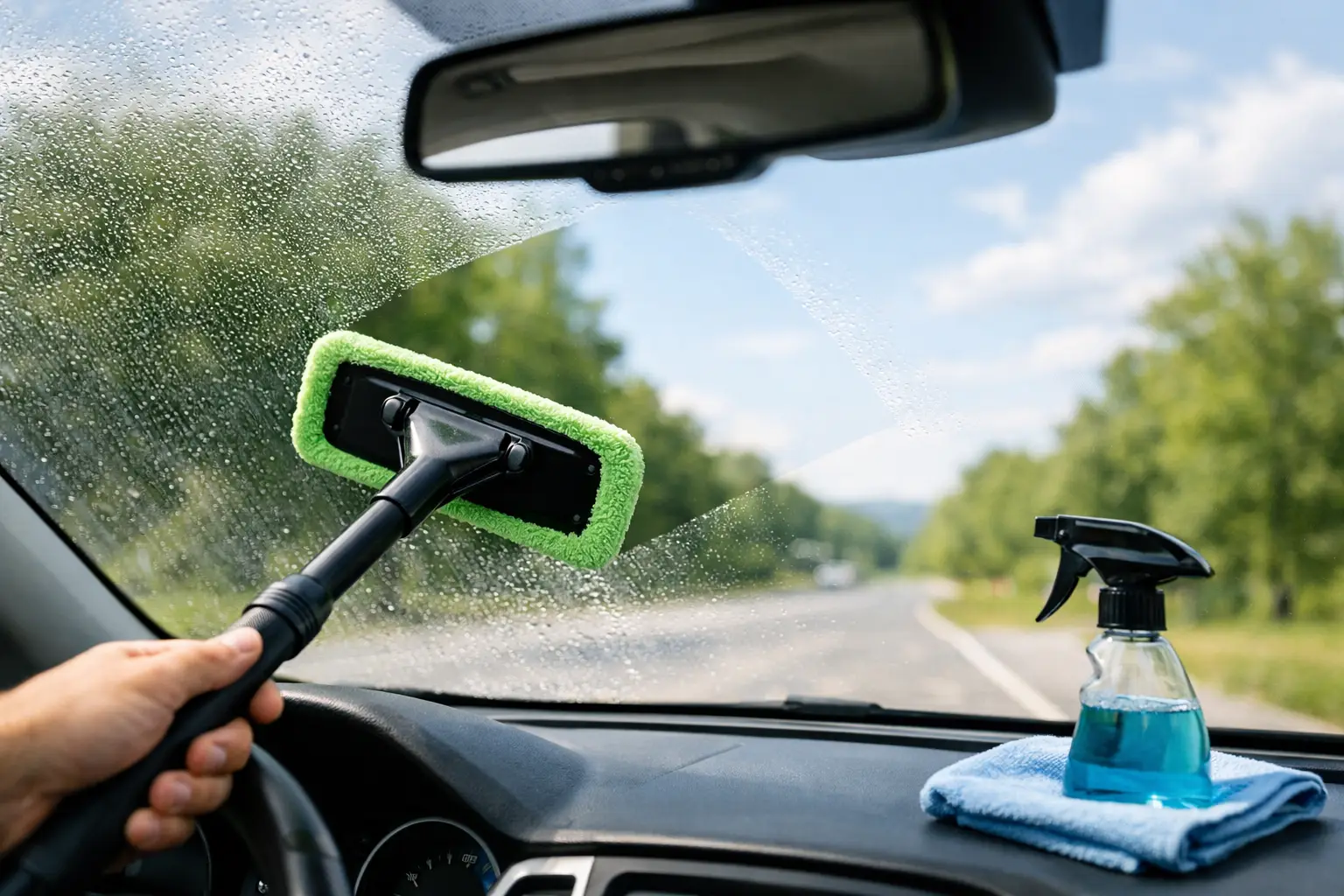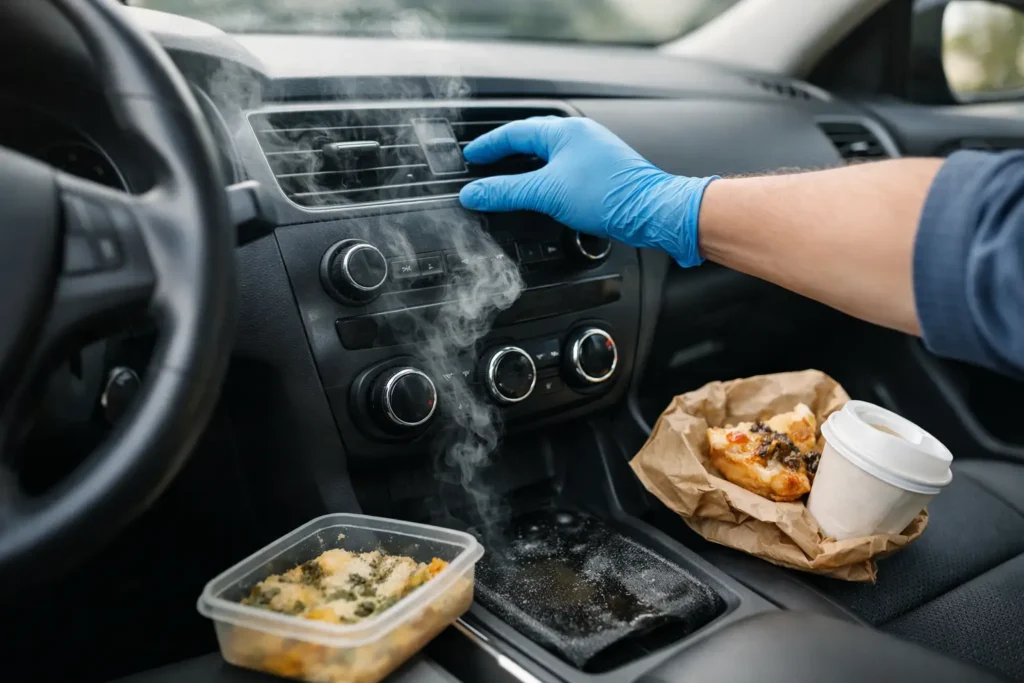

A car odor is easy to ignore until it becomes part of every commute. But if you are asking, “why does my car smell,” the answer may be anything from a forgotten gym bag to a fluid leak that needs attention now. The key is to identify the type of smell, when it appears, and whether it is getting stronger.
Some odors are a cleaning problem. Others are your vehicle’s early warning system. Start with safety, then work through the common causes before spending money on air fresheners or repairs.
Why Does My Car Smell? Start With the Type of Odor
Smells are useful clues because different materials release distinctly different odors when they get wet, overheat, leak, or begin to break down. Try to notice whether the smell is present all the time, only after rain, when the heat or AC is running, or after the engine has warmed up.
A smell that stays inside the cabin with the vehicle parked is usually related to the interior, trunk, or HVAC system. A smell that appears while driving, especially with the engine running, deserves a closer look under the hood or underneath the car. If you smell fumes, burning material, or anything that makes you feel dizzy or nauseated, pull over safely, get fresh air, and avoid driving until the cause is checked.
Musty, Sour, or Mildew-Like Smell
A musty odor is one of the most common complaints, particularly in humid climates or after a wet season. Moisture has likely collected in carpet padding, seat fabric, the trunk, or the air-conditioning system. Even when the carpet feels dry on top, the foam and padding underneath can hold water for days.
Check the floor mats, carpet around the front and rear footwells, spare-tire well, door seals, and trunk for dampness. Look for a leaking door seal, clogged sunroof drain, cracked windshield seal, or a spill that soaked into the carpet. If the odor becomes stronger when the AC starts, mold or bacteria may be growing on the evaporator or in a dirty cabin air filter.
Remove damp mats and dry them fully. Vacuum the carpet, use a fabric-safe interior cleaner on affected areas, and leave the doors open in a dry, shaded place if possible. Replace a dirty cabin air filter and clean the HVAC intake or evaporator with a product made for that purpose. An air freshener can cover mildew briefly, but it will not solve the moisture source.
Rotten Egg or Sulfur Smell
A rotten-egg smell can point to a problem with the catalytic converter, fuel system, or engine tuning. The odor comes from sulfur compounds that should normally be processed through the emissions system. A failing catalytic converter is one possible cause, but it is not the only one.
If the smell is strong after driving and you also have a check-engine light, reduced power, rough running, or poor fuel economy, schedule a diagnostic inspection soon. Continuing to drive with an engine misfire can overheat and damage the catalytic converter, turning a smaller repair into a much more expensive one.
A sulfur odor can occasionally come from an aging battery, too. If it is strongest under the hood, inspect for battery swelling, corrosion, or leaking fluid without touching anything bare-handed. A damaged battery should be replaced promptly.
Sweet Smell Inside or Outside the Car
A sweet, syrup-like odor often means coolant is leaking. Coolant may seep from a hose, radiator, water pump, heater core, or reservoir cap. You may also notice a low coolant level, a temperature gauge that runs hotter than normal, foggy windows, or damp carpet on the passenger-side floor.
Do not remove the radiator cap when the engine is hot. Let the vehicle cool completely, then check the coolant reservoir level against the marked range. If the level is low or you see colored fluid under the vehicle, arrange for repair. Engine overheating can cause serious damage quickly, so this is not an odor to postpone.
Burning Rubber, Plastic, or Oil
Burning smells vary, but they all deserve attention. Burning rubber may mean a belt is slipping, a hose is touching a hot engine component, or a tire is rubbing against something. A hot plastic smell can come from an electrical issue, melted wiring insulation, or debris caught near the exhaust.
Burning oil often smells sharp and smoky. It can occur when oil leaks onto a hot exhaust component, producing smoke from the engine bay after a drive. Check for fresh oil around the valve cover area and for spots beneath the vehicle. Low engine oil, visible smoke, or an oil-pressure warning light means you should stop driving and have the car checked.
If the smell is electrical, such as hot insulation or melting plastic, turn off the vehicle when it is safe to do so. Electrical faults can create a fire risk, and they are not a good DIY guessing game.
When a Car Smell Is an Urgent Safety Issue
Do not try to clean away an odor that may be tied to exhaust, fuel, overheating, or electrical wiring. These signs call for immediate caution:
- Exhaust fumes inside the cabin, especially if anyone feels lightheaded, sleepy, or nauseated
- A gasoline smell that is strong, persistent, or accompanied by a visible fuel leak
- Smoke from under the hood, wheel area, or dashboard
- A burning smell with warning lights, overheating, or loss of power
Carbon monoxide from exhaust is colorless and odorless, but exhaust leaks can bring other fumes into the cabin. Open the windows, get out of the vehicle if you feel unwell, and do not continue a long drive with suspected exhaust intrusion. A shop can inspect the exhaust system, seals, and HVAC fresh-air intake for leaks.
Common Interior Sources You Can Fix Yourself
Not every bad smell requires a mechanic. Food spills, pet hair, wet clothing, old coffee, and moisture trapped under floor mats are frequent causes. The frustrating part is that the visible mess is often not where the odor lives. Liquid can travel beneath a seat or soak through carpet into the padding.
Start by removing floor mats, emptying door pockets and the center console, and checking under every seat. Vacuum thoroughly, including seat tracks and the gaps between cushions. Treat fabric spills with an appropriate upholstery cleaner, using enough product to reach the affected area without soaking the material further. Leather should be cleaned with a leather-safe product, since heavy water-based cleaning can leave it stiff or blotchy.
The trunk deserves equal attention. Groceries, sports gear, wet umbrellas, and a leaking bottle of washer fluid can create a smell that drifts through the whole cabin. Lift the cargo floor and inspect the spare-tire compartment for standing water or mold.
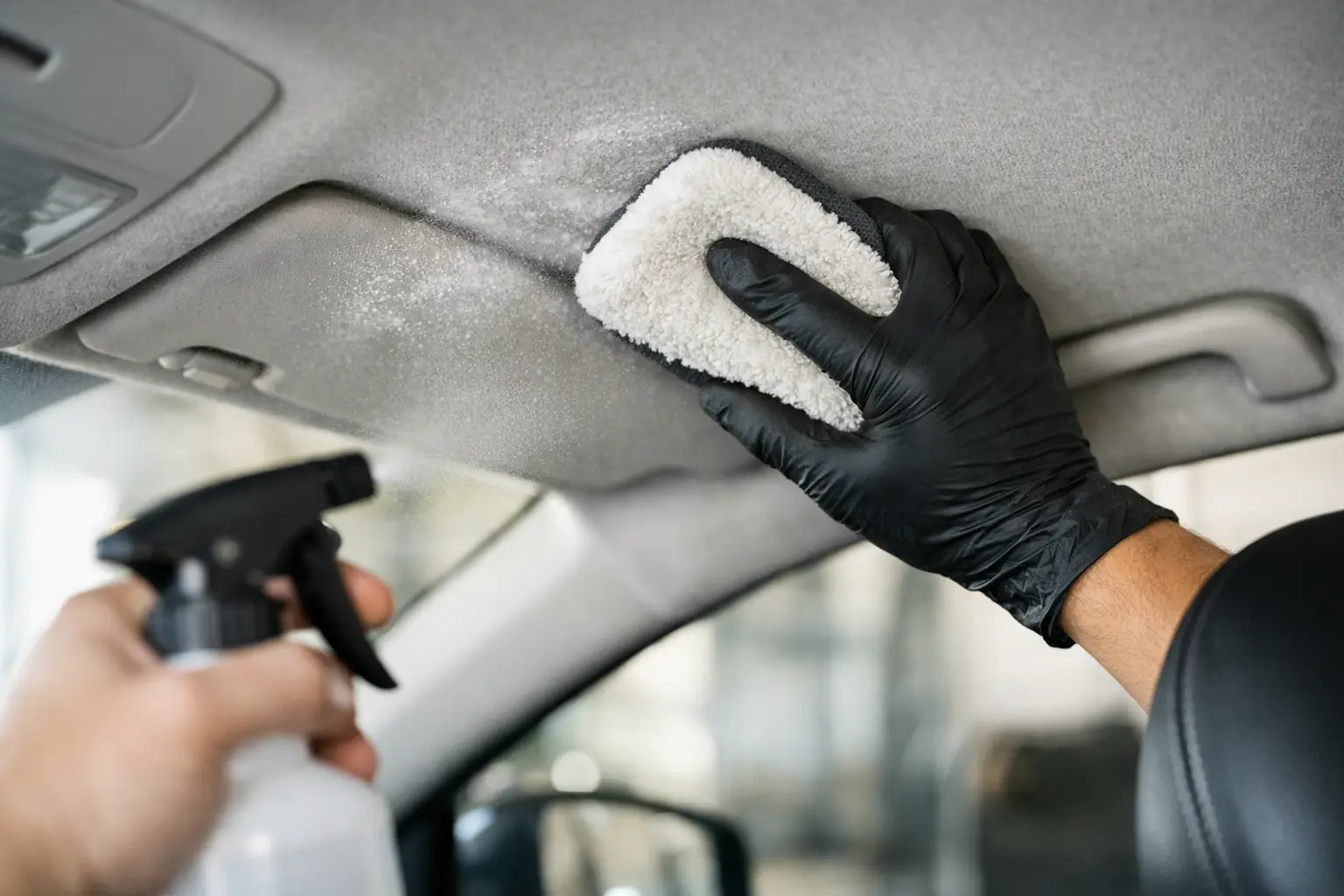
For lingering organic odors, an enzyme cleaner is often more effective than fragrance products because it breaks down the residue causing the smell. Test any cleaner in an inconspicuous spot first, particularly on light headliners, leather, or delicate trim.
How to Freshen the HVAC System
When your car smells fine until you turn on the fan, focus on the ventilation system. The cabin air filter is usually the easiest first step. A clogged filter can hold dust, leaves, moisture, and odor. On many vehicles, it sits behind the glove box, though the exact location varies by model.
Replace the filter with the correct size, then clear leaves and debris from the cowl area at the base of the windshield. If the musty smell remains, an HVAC cleaner designed for automotive evaporators may help. Follow the product directions carefully and make sure the system’s condensate drain is not blocked.
To reduce future moisture, turn off the AC compressor for the final few minutes of a drive while leaving the fan running. This helps dry the evaporator before you park. It will not cure an existing mold problem by itself, but it is a useful habit once the system is clean.
Avoid Covering Up a Smell Before Finding It
Odor bombs, heavily scented vent clips, and sprays can make a car seem cleaner for a day or two. They can also make it harder to notice a fuel leak, coolant leak, or recurring mildew issue. Use fragrance only after you have cleaned the source and confirmed there is no mechanical problem.
A simple pattern can save you time: notice the odor, identify when it happens, inspect the likely area, and address the source rather than the symptom. Your car should smell neutral, not perfumed and not suspicious. When an odor changes suddenly or comes with smoke, leaks, warning lights, or a change in how the vehicle drives, trust that clue and get it checked before the next trip.