
A buyer can forgive a few rock chips. They are much less likely to forgive a sticky console, warning light, mystery odor, or a glove box full of loose paperwork. Selling a used car is not just about its age and mileage. This car resale preparation guide focuses on the details that help a well-maintained vehicle feel like a safer, smarter purchase.
The goal is not to make an older car look brand-new or hide legitimate problems. It is to present it honestly, clean it thoroughly, fix the issues that make financial sense, and give a buyer clear evidence that you have cared for it.
Start With a Realistic Resale Plan
Before buying cleaning products or scheduling repairs, decide how you plan to sell the vehicle. A private sale usually brings more money, but it requires more time for cleaning, photos, messages, test drives, and paperwork. A trade-in is faster and simpler, though the offer may be lower because the dealer needs room to recondition and resell the car.
This decision affects how much preparation is worthwhile. If you are trading in a 12-year-old commuter with cosmetic wear, expensive paint correction or a major repair may not pay you back. For a newer, desirable vehicle sold privately, a professional-looking presentation and complete service records can make a meaningful difference.
Check the vehicle’s approximate market value before spending money. Compare similar year, trim, mileage, condition, and drivetrain vehicles in your local area. Be honest about condition. A clean car with worn tires, cracked upholstery, or a persistent check-engine light is not in excellent condition simply because it photographs well.
Car Resale Preparation Guide: Clean What Buyers Touch
A thorough cleaning is one of the highest-return steps because it changes a buyer’s first impression immediately. It also makes the condition easier to assess. Dirt can conceal scratches, stains, worn trim, and leaks, which creates uncertainty. Uncertainty leads to lower offers.
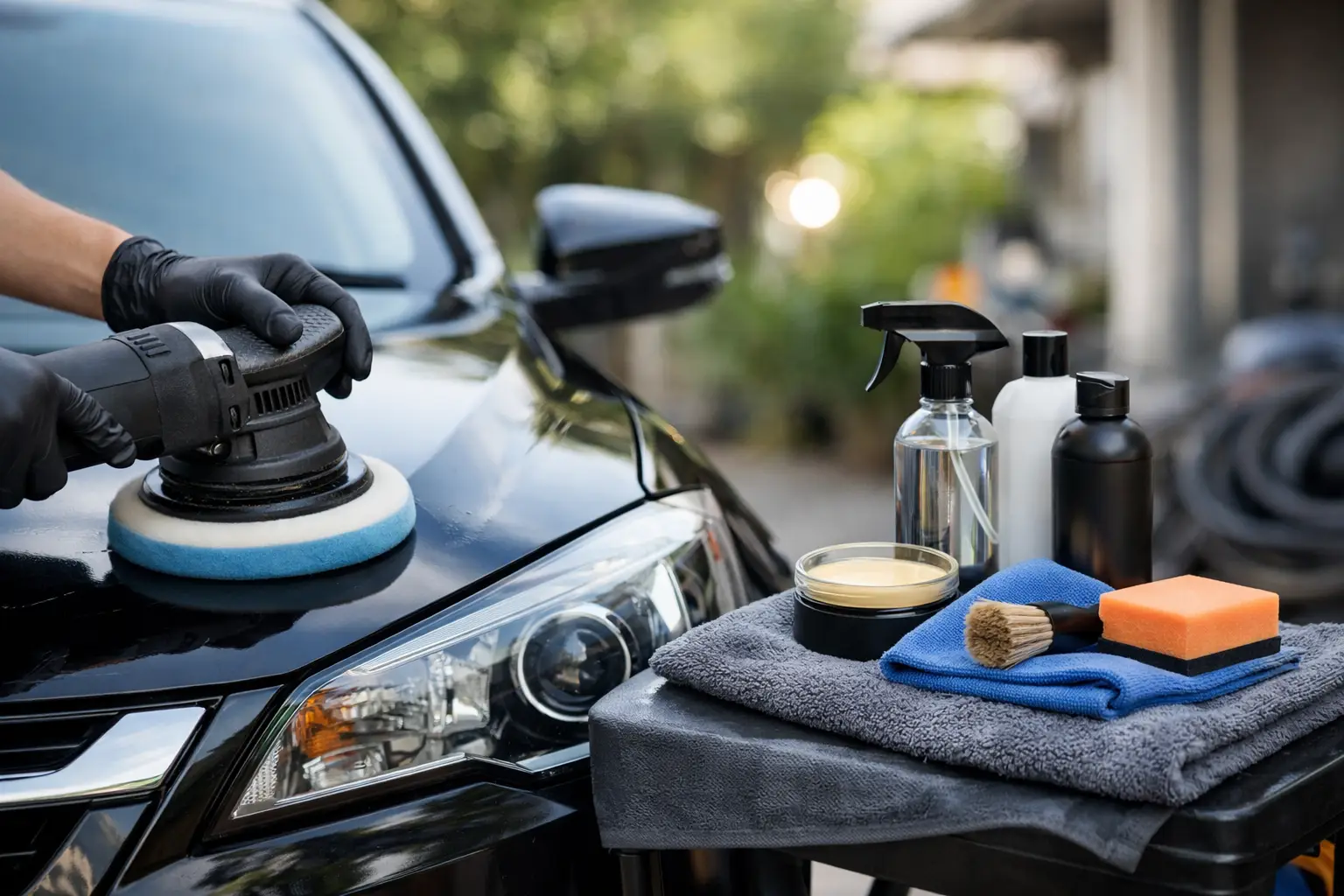
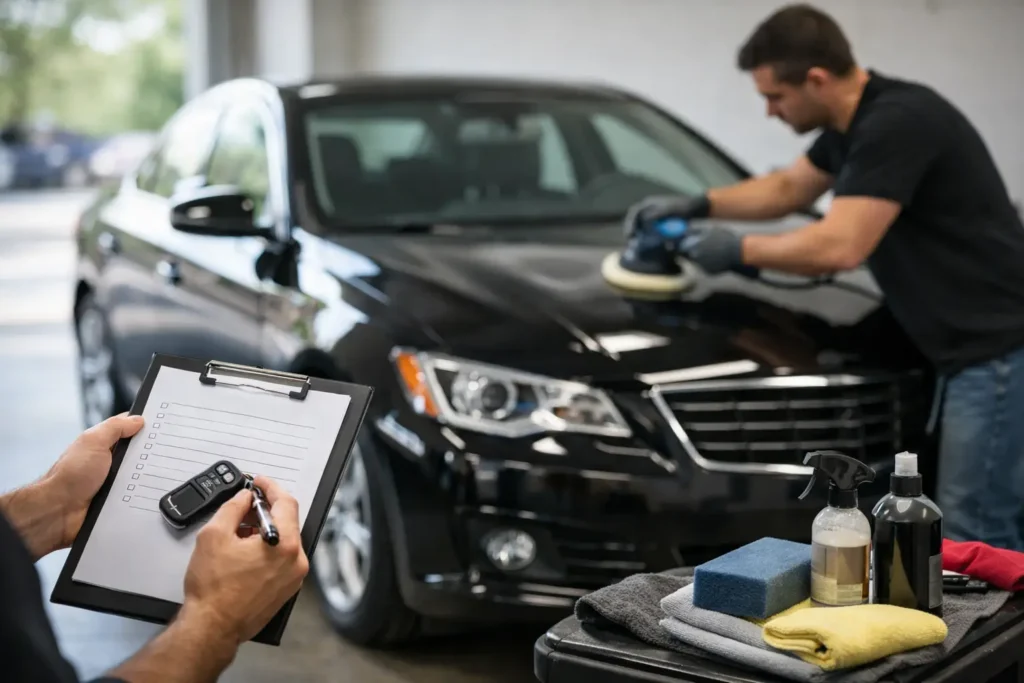
Start outside with a proper wash. Clean the wheels, tires, wheel wells, paint, glass, door jambs, and fuel door. Remove bugs, tree sap, and brake dust carefully rather than aggressively scrubbing the finish. Dry the vehicle to avoid water spots, then inspect it in daylight. A quality wax or paint sealant can improve gloss and make the paint look more cared for, but it will not repair peeling clear coat or deep scratches.
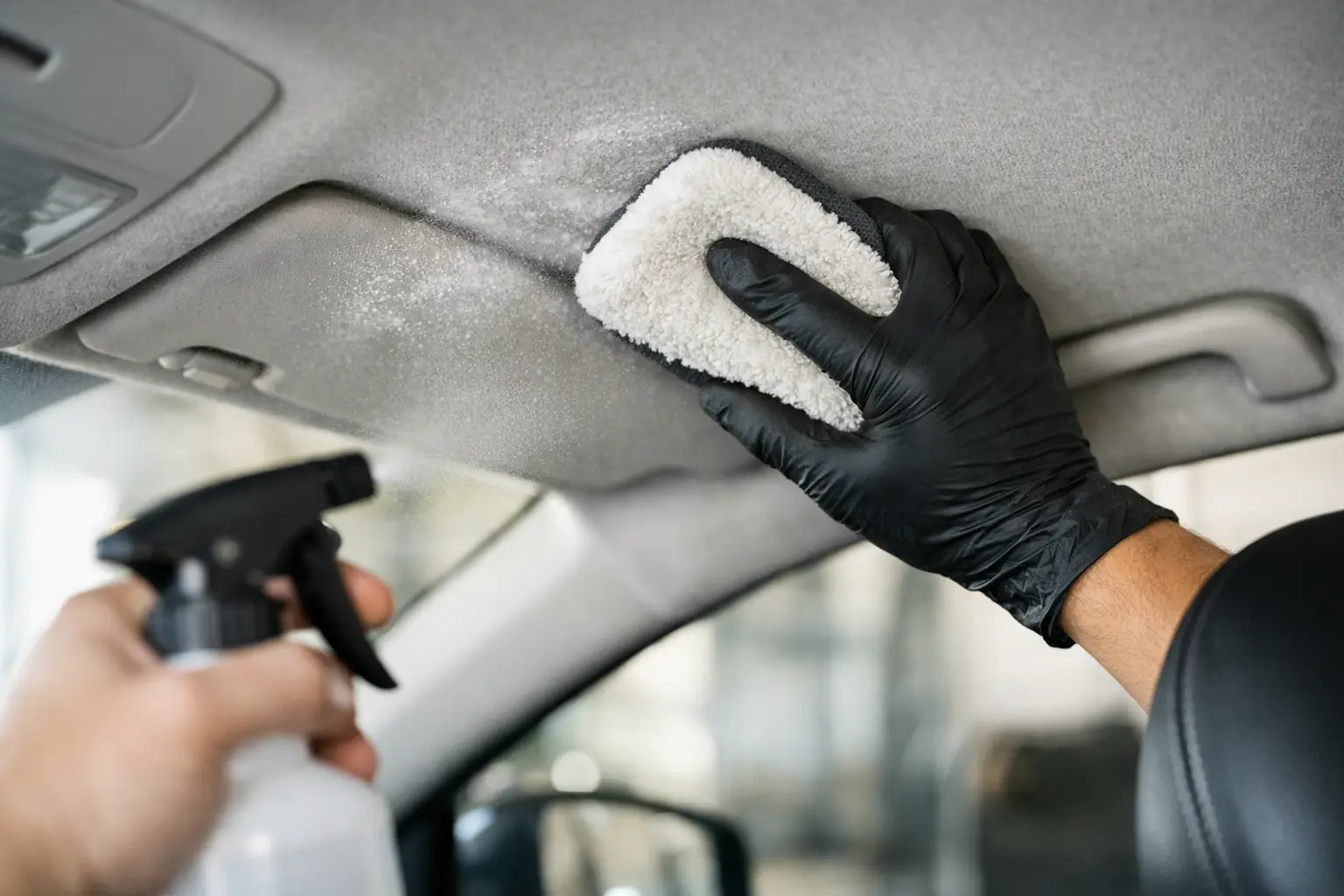
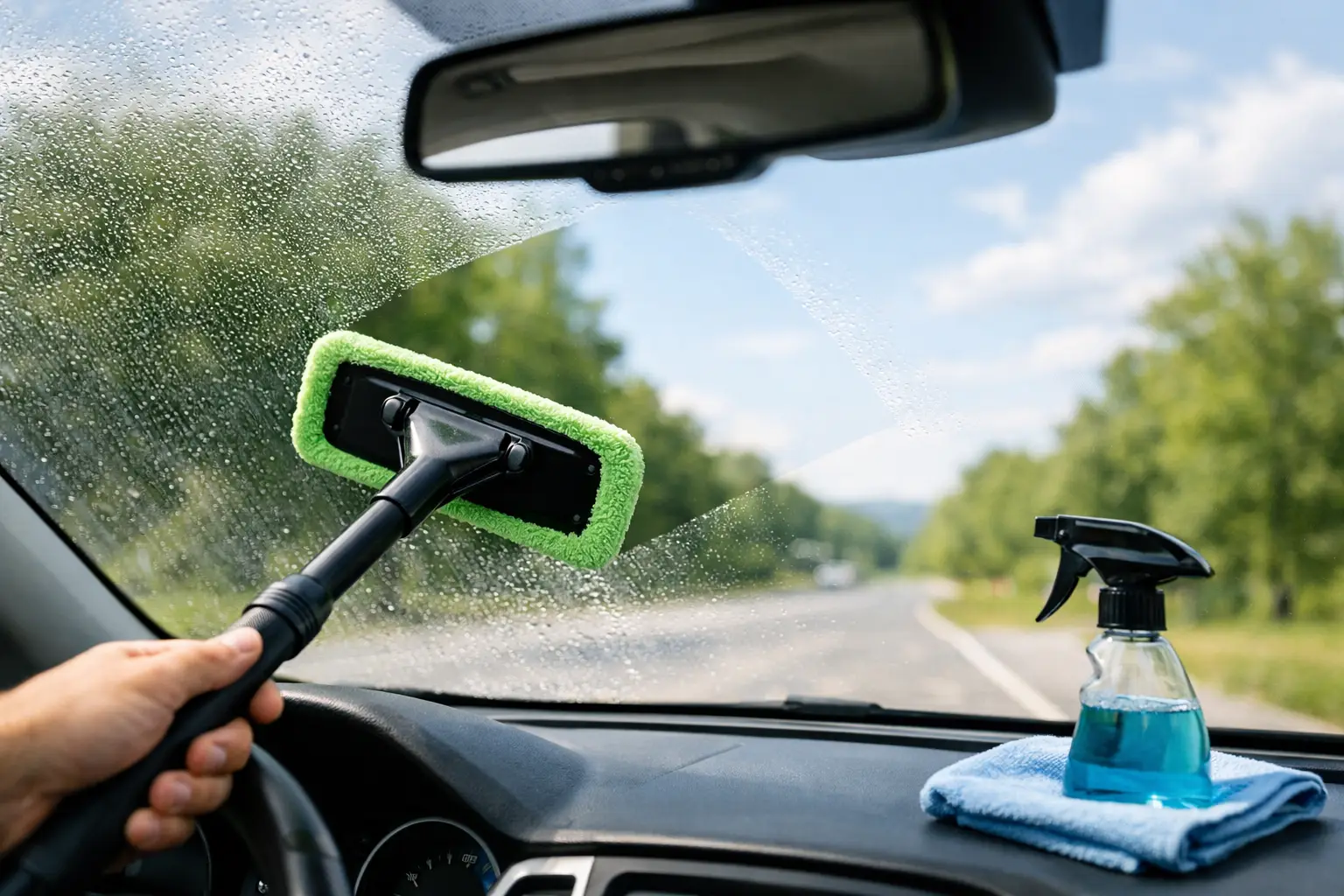
Inside, remove every personal item, including charging cables, parking passes, paperwork that does not belong with the car, and anything tucked under the seats. Vacuum the carpets, seats, trunk, and floor mat channels. Use a soft brush for vents, seams, cup holders, switches, and dashboard crevices. Clean interior glass last so you can catch haze and fingerprints.
Treat stains and odors before listing the car. A food spill, pet hair, smoke odor, or mildew smell can make buyers wonder what else has been neglected. Shampoo fabric seats and carpets only if you can let them dry fully. Leaving damp carpet in a closed car can create a worse odor problem than the one you started with.
Use interior protectants sparingly. Shiny, slippery dressing on the steering wheel, pedals, shifter, or dashboard can look artificial and may be unsafe. A clean, low-sheen finish is more convincing than an overly glossy one.
Do Not Detail Around a Problem
Cleaning should reveal the vehicle’s true condition, not disguise it. Do not use tire shine to distract from dry-rotted tires, cover warning lights, or use air freshener to mask an ongoing leak or mold issue. Buyers notice when something feels off, and a failed inspection or test drive can end the sale.
If the car has a strong odor you cannot identify, investigate it. Check for damp carpet, water intrusion in the trunk, a clogged sunroof drain, or an HVAC issue. Solving the cause is worth more than adding fragrance.
Handle Repairs That Improve Confidence
Not every flaw deserves a repair. Focus first on safety, reliability, and obvious low-cost issues. Replace burned-out exterior bulbs, worn wiper blades, missing valve-stem caps, and damaged license plate hardware. Inflate the tires to the specification on the driver’s door-jamb label and make sure the spare tire and basic factory tools are present if the vehicle originally came with them.
Address warning lights before you list the car. A check-engine light may be caused by something minor, but buyers usually assume the worst. Have the issue diagnosed and keep the receipt. Clearing a code without repairing the cause is not preparation. It is likely to return and damages trust.
Consider repairing simple cosmetic problems that are highly visible, such as a loose interior trim piece, a broken key fob battery, a missing cabin air filter cover, or a cloudy headlight lens. For larger repairs, get an estimate and compare it with the likely increase in resale value. Transmission concerns, major collision damage, failing air conditioning, and heavy engine oil consumption are examples where full disclosure and an adjusted asking price may be more sensible than spending thousands of dollars.
If your vehicle is due for routine maintenance soon, completing an oil change or required service can help, especially when you can document it. Do not claim that a recent oil change makes a car mechanically perfect. It simply removes one easy question from the buyer’s list.
Gather Records Before a Buyer Asks
Paperwork turns maintenance from a claim into proof. Collect service invoices, repair receipts, warranty documents, tire records, owner’s manuals, and both sets of keys if you have them. Organize them in date order or place them in a simple folder.
Make sure you understand your title status before advertising the car. If there is a lien, contact the lender and learn the payoff process. If the title is missing, request a replacement early. Requirements vary by state, and title delays can cause a ready buyer to walk away.
It also helps to check for open safety recalls. Recall repairs are generally completed at no charge by a franchised dealer, and resolving them can remove a concern for the next owner. Be straightforward about accidents, major repairs, flood history, or known mechanical faults. An honest description attracts better-qualified buyers and reduces wasted time.
Take Photos That Answer Questions
Photograph the car after it is clean and dry, preferably in open shade or on an overcast day. Harsh midday sun can create glare and hide body lines, while nighttime photos make even a clean car look questionable. Choose a simple location with an uncluttered background.
Take clear photos of the front, rear, both sides, wheels, tires, roof if accessible, dashboard with the engine running, front and rear seats, cargo area, engine bay, keys, and service records with private information covered. Include close-ups of notable wear. Showing a small bumper scuff upfront is better than having a buyer discover it after driving across town.
Avoid filters, dramatic angles, and heavy editing. Buyers want to see the actual color, paint condition, and interior wear. Good photos are not about making the car look different. They help the right buyer decide it is worth seeing in person.
Price and List It With Useful Details
Set an asking price with room for reasonable negotiation, not room for fantasy. Use comparable listings as a starting point, then account for your vehicle’s actual condition, maintenance history, tires, options, and local demand. A realistic price tends to create more serious inquiries than a high number followed by repeated reductions.
Write a description that answers practical questions: year, make, model, trim, mileage, title status, major options, recent maintenance, tire condition, known issues, and why you are selling. Keep the language plain. Phrases such as “needs nothing” or “perfect condition” invite skepticism unless the vehicle is genuinely exceptional.
For test drives, meet in a public place, verify that the driver has a valid license, and ride along. Remove valuables before appointments. For payment, follow your state’s title-transfer rules and verify funds before signing over the title or handing over the keys.
A clean car, a complete folder of records, and a fair description will not erase age or mileage. They do something more valuable: they show the next owner that the car has been treated with care. That confidence is often what turns an interested shopper into a serious buyer.